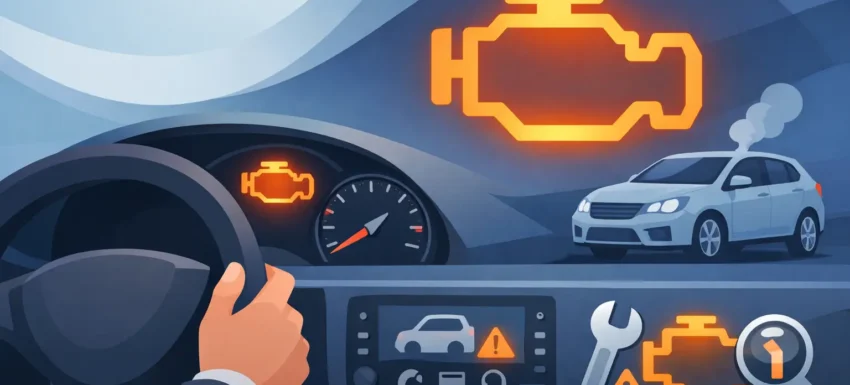
You turn the key, the engine starts, and that yellow symbol stays on. At that point, the question is immediate: what does engine warning light mean, and can you keep driving? The honest answer is that the light does not point to one single fault. It is the vehicle telling you the engine management system has detected a problem somewhere in the emissions, ignition, fuelling or sensor network.
That matters because modern vehicles do not guess. If the light is on, the control unit has stored fault information. Sometimes the issue is minor, such as a temporary sensor reading outside its expected range. Sometimes it is the early sign of a failing coil pack, blocked DPF, air leak, injector issue or catalytic converter problem. Treat it as a fault that needs identifying properly, not a lamp to ignore and hope for the best.
What does engine warning light mean on your dashboard?
In most cases, the engine warning light – often called the check engine light or malfunction indicator lamp – means the ECU has logged a fault code. That code is triggered when sensor data, actuator behaviour or system performance falls outside the programmed limits.
On petrol and diesel vehicles alike, the warning can relate to emissions control, combustion quality, airflow measurement, fuel pressure, exhaust aftertreatment or electrical communication. On newer vehicles, one problem can also create secondary faults elsewhere. That is why guessing from the symbol alone is rarely accurate.
The light itself only tells you there is a fault present. It does not tell you whether the fault is mechanical, electrical, intermittent or permanent. Proper diagnosis starts when the stored codes and live data are read with a suitable diagnostic tool.
Steady light or flashing light?
This distinction matters.
A steady engine warning light usually means the fault is present but not immediately critical. The vehicle may still drive normally, or you may notice reduced power, rough idling, poor fuel economy or hesitant acceleration. In many cases, the car can be driven carefully for a short period while the fault is checked, but delaying diagnosis can turn a smaller issue into a more expensive one.
A flashing engine warning light is more serious. It often points to an active misfire severe enough to risk damaging the catalytic converter. If the engine is running unevenly, shaking or clearly down on power, continuing to drive is a poor decision. That is the point to stop using the vehicle if it is safe to do so and investigate properly.
If the warning appears alongside oil pressure, coolant temperature or battery charging warnings, do not treat it as just an emissions fault. Multiple warning lights can indicate a wider system problem, and the urgent one should always take priority.
Common reasons the engine warning light comes on
The most common causes are not always the most obvious. Faults linked to the engine warning light often include failed oxygen sensors, dirty or failing mass airflow sensors, ignition coil faults, spark plug issues, EGR valve problems, DPF loading, boost leaks, injector imbalance and fuel system pressure faults.
On some vehicles, a weak battery or voltage instability can also trigger misleading fault codes. That is especially true on cars with complex electrical systems, stop-start functions and sensitive control modules. A poor electrical supply can create symptoms that look like sensor failure when the real problem is power management.
Loose intake pipework is another regular culprit. A split hose after the airflow sensor or turbo can throw fuelling calculations out and trigger fault codes, often with limp mode or underboost complaints. That sort of fault is easy to miss if you go straight to replacing sensors without checking the basics.
Diesel drivers see engine warning lights for a different set of repeat offenders. DPF regeneration issues, blocked pressure pipes, faulty EGR operation and glow plug control faults are all common. Short journeys and interrupted regeneration cycles often sit behind these problems, so the driving pattern matters as much as the hardware.
What the car may feel like when the light is on
Sometimes there is no obvious symptom at all. The engine warning light can come on before the driver notices any change in performance. That is common with efficiency and emissions-related faults.
In other cases, the symptoms are clear. The engine may idle roughly, hesitate under load, misfire, struggle to start or go into reduced power mode. Fuel consumption can worsen. Automatic gear changes may feel odd because the engine is no longer delivering power cleanly. On turbocharged vehicles, boost may be limited to protect components.
These symptoms help point the diagnosis in the right direction, but they still do not replace a scan. Two vehicles with the same warning light and similar drivability complaints can have completely different root causes.
Can you keep driving with the engine warning light on?
It depends on how the vehicle is behaving.
If the light is steady and the engine feels normal, you can usually drive cautiously for a limited time to get the fault checked. That is not the same as ignoring it for weeks. A minor sensor problem can develop into catalyst damage, DPF blockage or hard starting if left unresolved.
If the light is flashing, the car is misfiring badly, there is a strong fuel smell, heavy smoke, overheating, severe lack of power or unusual mechanical noise, stop driving as soon as it is safe. Those are conditions where extra road use can increase repair costs very quickly.
For trade users, this is where fast fault identification makes a real difference. Time spent guessing is time lost in the workshop. For capable DIY owners, it is the difference between replacing the correct component and wasting money on parts the vehicle never needed.
Why fault codes matter more than the warning symbol
The warning lamp is only the trigger. The fault code tells you where the system has detected a problem. Even then, a code is a starting point, not always the failed part.
For example, an oxygen sensor code does not automatically mean the oxygen sensor itself is faulty. The sensor may be reporting a genuine fuelling issue caused by an air leak, injector problem or exhaust leak. A DPF efficiency code may stem from pressure sensor hose issues or failed regeneration, not just a blocked filter. An EGR code may point to sticking valve operation, wiring faults or poor commanded response.
That is where proper diagnostics separate workshop-grade fault finding from guesswork. Reading stored and pending codes, checking freeze-frame data and comparing live readings under real conditions gives a much clearer picture than deleting the light and seeing if it comes back.
What does engine warning light mean for MOT and emissions?
If the engine warning light is illuminated due to an emissions-related fault, it can affect MOT outcome depending on the vehicle and the nature of the fault. Even before test time, an unresolved engine management issue often means the car is running less efficiently than it should.
That can lead to higher fuel use, poor regeneration performance on diesels and increased stress on expensive exhaust components. Catalytic converters, DPFs and sensors are not cheap. Catching the problem early is usually the lower-cost route.
There is also a practical point here. Clearing codes without fixing the fault may turn the light off briefly, but readiness monitors may not complete in time, and the original issue often returns. A proper repair is always the better option than masking the symptom.
How to respond properly when the light appears
Start with the basics. Note whether the light is steady or flashing and whether the engine is running normally. Pay attention to smoke, misfire, hard starting, overheating or reduced power. If there is a serious drivability problem, do not keep pushing the vehicle.
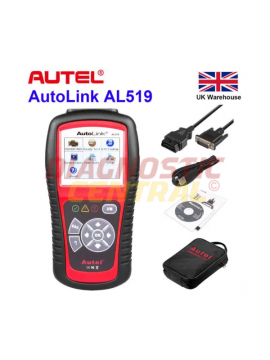
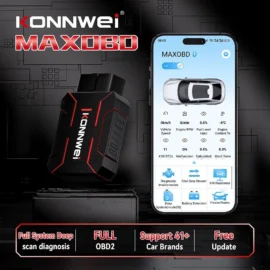
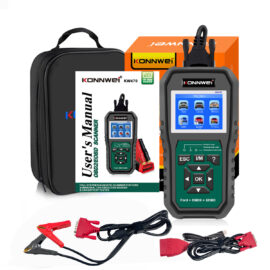
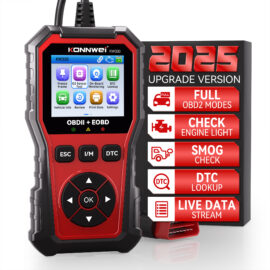
The next step is to scan the vehicle with a compatible diagnostic tool. Generic code readers are useful for basic engine faults, but broader system access and stronger live data functions are often needed on newer vehicles and more complex faults. This is especially true if you are dealing with manufacturer-specific codes, diesel aftertreatment systems or intermittent electrical issues.
After reading the codes, the right process is to test, not assume. Check wiring, connectors, sensor readings, vacuum lines, intake leaks, battery condition and service history. If parts are replaced, they should be replaced because the testing supports that decision.
For workshops and serious home users, reliable diagnostic equipment removes the guesswork and shortens repair time. That is exactly why specialist suppliers such as Diagnostic Central focus on tools built for real fault tracing rather than vague code reading.
When a simple fix is possible, and when it is not
Some faults are straightforward. A disconnected hose, poor battery condition or worn ignition component can trigger the light and be dealt with quickly once identified. Other cases are more involved, especially where intermittent faults, CAN communication issues or emissions system failures are concerned.
The trade-off is simple. A cheap assumption can become an expensive repair path. A measured diagnosis costs less than replacing multiple parts on a hunch. That applies in a busy garage and it applies on the driveway as well.
If your engine warning light is on, treat it as usable information, not an inconvenience. The vehicle has already told you a fault exists. The smart next move is to read what it is trying to say and act on evidence, not guesswork.
A warning light is only frustrating when it stays a mystery. Once you put proper diagnostics behind it, it becomes a starting point for a faster, cleaner repair.