
The first proper cold snap is when neglected faults start showing themselves. Batteries that seemed fine in October suddenly struggle, tyre pressures drop overnight, and a warning light you ignored last month becomes a non-starter on the driveway. That is exactly why the right winter car health check tools are worth having before temperatures fall, not after the vehicle lets you down.
For garages, mobile technicians and capable DIY owners, winter checks are not about gimmicks. They are about finding weak points early, verifying the basics quickly, and reducing guesswork when weather puts extra strain on electrical and mechanical systems. Some tools are essential on almost every vehicle. Others depend on the age of the car, the type of work you do, and whether you are checking a family hatchback, a diesel van or a mixed fleet.
Which winter car health check tools actually earn their place?
If you only buy tools that solve real problems, start with battery testing and fault code reading. Most winter breakdowns still come back to starting and charging issues, and modern vehicles rarely leave you with a simple mechanical diagnosis. A flat battery might be caused by age, poor charging, parasitic drain, glow plug demand, a smart charging fault or a module that never goes to sleep. Without proper test equipment, you are guessing.
A decent battery tester is the clearest place to start. In cold conditions, battery performance drops just as engine cranking demand rises. That is why batteries that appear acceptable in mild weather can fail sharply once frost arrives. A tester that measures voltage alone is useful, but a proper battery and charging system tester gives a much more reliable picture of battery health, cranking capability and alternator output. For workshop use, speed matters. You want a tool that gives a clear pass, recharge or replace result without wasting time.
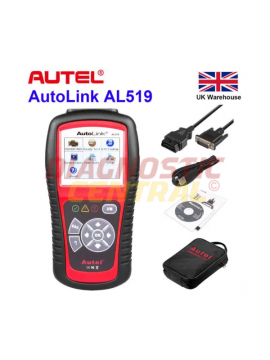
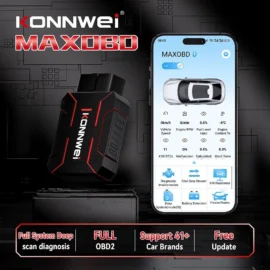
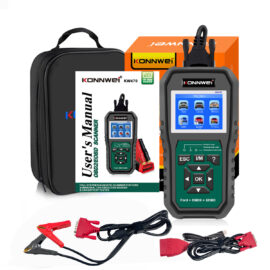
An OBD2 diagnostic scanner is next on the list because winter faults are increasingly electronic. Modern vehicles monitor everything from coolant temperature plausibility to glow plug circuits, intake sensors and charging behaviour. If the engine management light appears during a cold start, or the vehicle enters limp mode when temperatures drop, a scanner cuts straight to live data and stored fault codes. On newer vehicles, this is no longer optional equipment. It is standard diagnostic practice.
The core winter car health check tools for cold-weather reliability
Battery and charging system tester
This is the tool with the highest winter value. It tells you whether the battery is genuinely healthy, simply discharged, or already on borrowed time. It also helps confirm whether the alternator is doing its job after start-up.
For garages, this means quicker job authorisation and fewer comebacks. For private owners, it means knowing the difference between a battery that needs charging and one that is due for replacement. The trade-off is simple – cheap testers may give only basic voltage readings, while stronger units provide a more accurate view of overall battery condition.
OBD2 scanner or diagnostic tablet
Cold weather exposes faults that sit quietly the rest of the year. Weak glow plugs, coolant temperature sensor errors, air intake issues and charging faults often show up first in winter. A reliable scanner helps you read codes, clear them where appropriate, and look at live data rather than treating warning lights as guesswork.
If you work across multiple makes, compatibility matters more than flashy menus. A fast, dependable unit that reads common systems properly is usually more valuable than a feature-heavy tool with patchy coverage.
Digital tyre pressure gauge
Tyre pressure drops as air temperature falls. That affects grip, braking and tyre wear, and it matters even more when roads are wet, icy or salted. A proper digital gauge gives a quick, accurate reading without relying on the often-abused forecourt airline.
This is a simple tool, but not a trivial one. Underinflated tyres in winter do not just cost fuel. They reduce stability when conditions are already working against you.
Tread depth gauge
A tyre can be legal and still be poor in winter conditions. That is the real value of a tread gauge. It gives an objective reading rather than a glance-and-guess inspection. Water clearance, slush performance and cold-weather traction all improve with stronger tread depth.
For workshops, it is also an easy upsell point because it is measurable. You are not offering opinion. You are presenting a reading the customer can understand.
Coolant tester or refractometer
Coolant strength matters far more in winter than many drivers realise. If the antifreeze mix is weak, you are not just risking freezing in extreme conditions. You are also reducing corrosion protection and system efficiency. A coolant tester quickly confirms whether the mix is suitable for the season.
This is especially useful on older vehicles or those with uncertain service history. If a customer has topped up repeatedly with water, protection may be well below where it needs to be.
Multimeter
A multimeter remains one of the most useful tools in any diagnostic kit. It helps verify battery voltage, charging voltage, continuity and basic electrical faults that can become more obvious in cold weather. If a heated rear screen, blower motor, glow plug feed or lighting circuit is underperforming, a meter gives hard evidence.
It does require some confidence to use properly, so it is better suited to technicians and competent DIY users than complete beginners. But in skilled hands, it saves time on almost every electrical check.
Jump starter or power pack
Strictly speaking, this is less of a test tool and more of a support tool, but it earns its place in winter. If you are checking several vehicles, working mobile, or dealing with intermittent battery issues, a good jump starter keeps the job moving. It also allows you to distinguish between a no-start caused by battery weakness and one caused by a deeper fault.
Inspection lamp
Good lighting makes every winter check easier. Cold mornings, short days and poor roadside visibility turn simple jobs into awkward ones. An inspection lamp helps with tyre condition checks, battery terminal inspection, belt condition, coolant leaks and connector checks. It is basic kit, but useful kit.
Screen wash and antifreeze tester
This will not replace diagnostic equipment, but it does matter in real winter use. Frozen washer fluid leaves a vehicle with poor visibility at exactly the wrong time. A tester confirms concentration instead of assuming the bottle is winter-ready.
What to check with these tools before winter sets in
The most effective approach is to work through the vehicle as a system, not as isolated parts. Start with the battery and charging system because starting reliability underpins everything else. Then move to tyre pressure and tread, followed by coolant protection and any stored fault codes.
If the car has been slow to crank, if dashboard lights have flickered on start-up, or if stop-start has quietly stopped working, do not wait for a complete failure. Those are classic early warnings. Likewise, if a diesel is hesitating on cold starts, check for fault codes and charging condition before replacing parts on speculation.
For workshop users, this sequence also makes commercial sense. It gives you a structured winter inspection that is quick to carry out, easy to explain and based on measurable results. Customers respond better when you can show battery health, tread depth and fault data rather than offering vague advice.
Winter car health check tools for DIY users vs workshops
Not every user needs the same setup. A competent car owner can cover most winter risks with a battery tester, a dependable OBD2 scanner, a tyre pressure gauge and a tread depth gauge. That combination catches a large share of common problems before they become breakdowns.
A workshop or mobile technician needs more depth. Better battery analysis, broader diagnostic coverage, electrical test capability and vehicle-specific adapters become more important when the workload includes multiple makes and repeat jobs. Speed, compatibility and accuracy matter more in that environment because the tool is earning money, not just offering peace of mind.
That is where specialist suppliers make a difference. Generic marketplace tools often look similar on paper, but winter diagnostics punish unreliable hardware very quickly. If a scanner is slow, compatibility is poor, or battery test results are inconsistent, you lose time and confidence. Diagnostic Central focuses on the sort of practical equipment that suits real workshop use, not just product listings with optimistic claims.
The mistake people make with winter checks
The biggest mistake is treating a winter check as a one-off visual inspection. Looking under the bonnet is not the same as testing what matters. A battery can look clean and still fail under load. Tyres can look acceptable and still be underinflated. A car can start today and still have stored codes pointing to a cold-weather fault that will return on the next freezing morning.
The right tools turn assumptions into evidence. That is the whole point. You do not need dozens of gadgets, but you do need a kit that can confirm battery health, read faults, assess tyres and verify coolant protection with confidence.
A winter-ready car is usually not the one with the newest parts. It is the one that has been checked properly, with tools that show what is really going on before the temperature drops any further.