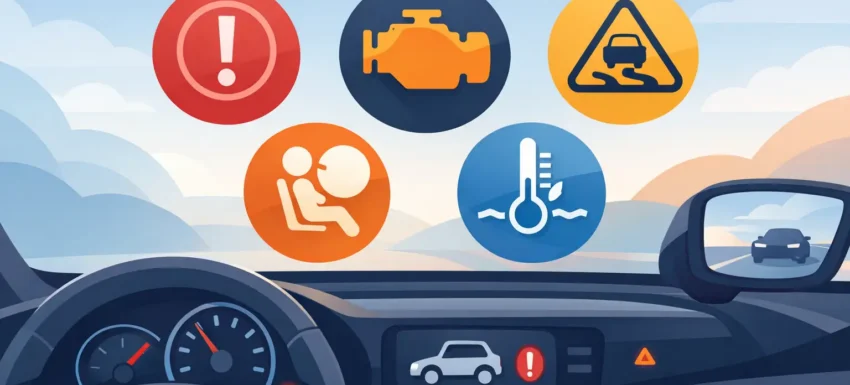
You do not need every dashboard light memorised to make the right call, but you do need to know which ones mean stop now and which ones mean diagnose soon. That is where a proper car warning symbols guide earns its place. Modern vehicles throw up far more than a simple oil can or battery icon, and guessing can turn a small electrical or sensor fault into a breakdown, a failed MOT, or a repair bill that should have been avoided.
For workshops, mobile technicians and capable DIY owners, warning lights are not the diagnosis. They are the starting point. The symbol tells you which system has raised a concern, but the real fault still needs confirming with live data, stored trouble codes and a bit of mechanical judgement. Treat the dashboard as an alert system, not a final answer.
How to use this car warning symbols guide properly
The first thing to read is the colour. In most vehicles, red means urgent, amber means caution, and green or blue means information. That sounds simple, but it matters because many drivers waste time chasing a minor reminder while ignoring a light that genuinely requires the engine to be switched off.
Red lights usually point to a condition that could damage the vehicle or affect safety if you keep driving. Low oil pressure, engine overheating, brake system faults and charging system failures sit in this category. If one appears and stays on, especially with a message, loss of power or abnormal noise, stop when safe and investigate before carrying on.
Amber lights are different. They usually mean the vehicle has detected a fault, but not one that always demands an immediate stop. The engine management light, ABS warning, DPF warning and airbag light often fall into this group. You may still be able to drive, but you should not ignore them. An amber light left unresolved often leads to reduced performance, poor fuel economy, emissions issues or more expensive repairs later.
Green and blue lights are generally status indicators. Headlights, main beam, indicators and cruise control are common examples. These are there to confirm a system is operating, not to warn of a fault.
The warning symbols that matter most
Oil pressure warning light
If you see the red oil can symbol, take it seriously. This is not usually a reminder to top up oil. It often means the engine has lost oil pressure, which can destroy bearings and internal components within minutes. Low oil level can cause it, but so can a failed oil pump, blocked pickup, pressure switch fault or severe internal wear.
If the light comes on while driving and stays on, stop the engine as soon as it is safe. Check the oil level, but do not assume that topping up will solve everything. If the level is correct, the fault needs proper diagnosis before the engine is run again.
Engine temperature warning light
A red temperature symbol or thermometer warning means overheating. Common causes include coolant loss, a stuck thermostat, failed fan, water pump issues or head gasket trouble. Keep driving and you risk warped components and major engine damage.
If it appears, stop safely and let the engine cool. Do not remove the coolant cap when hot. If the coolant level is low once cool, that still does not tell you why it dropped. Leaks and pressure issues need tracing properly.
Battery or charging system light
Many drivers assume the battery light means the battery itself has failed. Often it does not. This light usually points to a charging problem, which may involve the alternator, voltage regulation, wiring, drive belt or battery condition.
If it comes on and stays on while the engine is running, the vehicle may soon lose electrical support and shut down once the battery voltage falls. On newer vehicles, low system voltage can trigger multiple unrelated warning lights, so one charging fault can quickly look like several separate problems.
Brake warning light
A red brake warning light can indicate low brake fluid, worn pads on some systems, or an issue with hydraulic pressure or the parking brake. If it appears with a soft pedal, poor braking or another brake-related warning, treat it as a safety issue.
This is one of those cases where the symbol alone is not enough. A simple fluid level issue might point to pad wear, but it can just as easily point to a leak. The difference matters.
Common amber symbols and what they usually mean
Engine management light
The engine management light is probably the most misunderstood dashboard warning. It can be triggered by anything from a minor evap fault or ageing oxygen sensor to a misfire, boost issue or emissions control problem. A steady light usually means the vehicle has stored a fault and can often still be driven with caution. A flashing light is more serious and can indicate a misfire severe enough to damage the catalytic converter.
This is where a diagnostic scan stops guesswork. Reading the fault codes gives you direction, but live data is what tells you whether the problem is current, intermittent or caused by another failing component.
ABS warning light
If the ABS light comes on, the anti-lock braking function may be disabled, even if normal braking remains. Wheel speed sensors, tone rings, wiring faults and ABS module issues are common causes. The car may still stop normally under standard braking, but emergency braking on a wet road is exactly when ABS matters.
For garages, this is a routine but important diagnostic job. For motorists, it is not one to put off simply because the pedal still feels normal.
Airbag or SRS light
An airbag warning means the supplementary restraint system has detected a fault. That may involve seat belt pretensioners, occupancy sensors, wiring under seats, clock springs or airbag modules. The trade-off here is simple: the car may drive perfectly well, but crash protection may be compromised.
Because SRS systems are sensitive and safety-critical, they need correct diagnosis rather than parts swapping. Clearing the light without fixing the cause is not a repair.
DPF warning light
Diesel particulate filter warnings are increasingly common on vehicles used mainly for short trips. If the filter cannot complete regeneration, soot loading rises and eventually causes restricted performance or limp mode. Sometimes a proper regeneration drive will resolve it. Sometimes the underlying issue is a failed pressure sensor, temperature sensor, EGR problem or injector fault.
That is why context matters. A motorway-driven diesel with a fresh DPF light is a different case from a van that has been short-running for months and is already down on power.
Tyre pressure monitoring light
The TPMS light may simply mean one or more tyres are low, but it can also point to a sensor fault or failed relearn after tyre work. Start with pressures when cold and adjust to manufacturer spec. If the light stays on, the system needs checking.
Low tyre pressure affects fuel use, tyre wear and braking stability. It is easy to dismiss, but it has real-world consequences.
Why warning lights are only half the job
A dashboard symbol tells you which system is unhappy. It rarely tells you why. One engine light could mean a failed sensor. Another could mean a wiring problem, vacuum leak or a mechanical fault causing bad readings elsewhere. Good diagnostics separate the trigger from the root cause.
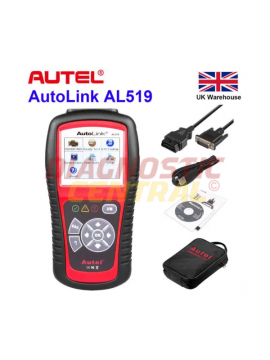
That is why professionals rely on scan tools, battery testers and model-appropriate diagnostic equipment rather than assumptions. Even for competent DIY users, a basic code reader can save time and point you in the right direction. A more capable tool goes further by showing freeze-frame data, live readings and system-specific faults across ABS, SRS, battery management and service functions.
This matters more than ever because modern vehicles are networked. A low voltage event, poor earth or module communication issue can create multiple warning lights at once. If you chase each symbol as a separate fault, you waste time and money.
What to do when a warning light appears
Stay methodical. If the light is red, assess whether the vehicle should be stopped immediately. Listen for abnormal noise, watch the temperature gauge, note any loss of power and do not carry on blindly. If the light is amber, the next step is usually to check for obvious issues such as fluid level, tyre pressure or loose fuel cap where relevant, then scan the vehicle properly.
Do not clear fault codes just to make the dashboard look better. If the fault returns, you have learned nothing. Record the code, note the conditions, and check whether the issue is current, pending or historic. That is how efficient diagnosis works in a workshop and it is how sensible owners avoid replacing good parts.
If you manage a garage fleet or maintain commercial vehicles, consistency helps. A repeatable diagnostic process reduces downtime and stops the same warning light being treated differently by different technicians.
Car warning symbols guide: when a garage visit is non-negotiable
Some faults need equipment, access and testing procedures that go beyond roadside checks. Persistent brake warnings, airbag faults, overheating, charging issues, flashing engine lights and repeated DPF problems belong in that category. The same applies if several warning lights appear together after battery trouble, jump-starting or module replacement.
This is where specialist diagnostic equipment pays for itself. Fast fault identification is not about convenience alone. It protects components, shortens repair time and gives a clearer answer on whether the vehicle can stay in service or needs immediate work.
Dashboard symbols are there to get your attention, not to do the technician’s job for you. Read the colour, respect the urgent ones, and verify the fault properly before you spend money or keep driving. A warning light handled early is usually a simpler fix than the same fault ignored for another fortnight.