
A lorry turns up with an intermittent EML, reduced power under load and a driver who needs it back on the road by morning. That is where commercial vehicle diagnostics stop being a nice extra and become the difference between a fast, accurate repair and hours of wasted labour. On modern vans, lorries and mixed fleets, fault-finding without the right diagnostic approach is slow, expensive and usually full of guesswork.
Electronic systems in commercial vehicles are now tied into almost every part of daily operation. Engine management, emissions control, ABS, AdBlue, transmission, body systems and trailer communication all generate data. When a fault appears, the real job is not just reading a code. It is understanding what the system is reporting, what caused it, and whether the issue is electrical, mechanical or operational.
Why commercial vehicle diagnostics matter more now
A basic fault code read can still be useful, but it is no longer enough for serious workshop work. Commercial vehicles cover high mileage, spend long hours under load and often operate on tight schedules. When one vehicle is off the road, the cost is not limited to the repair bill. It affects deliveries, bookings, driver time and customer confidence.
That is why proper commercial vehicle diagnostics need to do three things well. They must identify faults quickly, support accurate repair decisions and reduce unnecessary parts replacement. If your tool can only pull generic codes, you may get a starting point, but not the detail needed to fix the problem with confidence.
This is especially true on Euro 5 and Euro 6 vehicles, where emissions systems can trigger limp mode for faults that are not always obvious. A blocked DPF, NOx sensor fault, AdBlue system issue or wiring defect can present similar symptoms. Without live data, system tests and model coverage that matches the vehicle in front of you, the process slows down fast.
What good commercial vehicle diagnostics should actually do
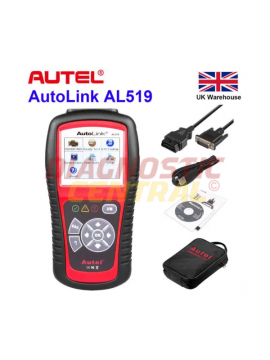
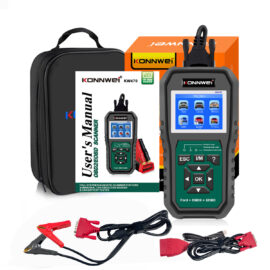
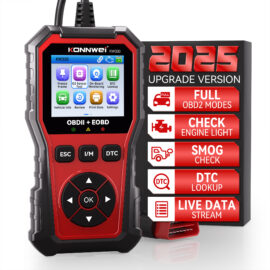
At workshop level, the value of a diagnostic tool comes down to usable information. Reading and clearing codes is the entry point, not the finish line. A worthwhile system should give you access to live data, actuator tests, service functions and control unit communication across the key systems fitted to vans, lorries and in some cases trailers.
Live data matters because fault codes only tell part of the story. If boost pressure is low, fuel rail pressure is unstable or DPF differential pressure is out of range, you need to see how the values behave in real time. That is often what separates a failed component from a wiring issue or a fault caused by operating conditions.
Bi-directional functions are equally important. If you can command components on and off, run forced regenerations where appropriate, reset service functions and perform system calibrations, you move from code reading into proper diagnosis and post-repair verification. For many garages, that is where time is saved and repeat comebacks are avoided.
Coverage also matters more in commercial work than many buyers expect. A tool may look good on paper, but if it is weak on specific van platforms, heavy vehicles or adapter support, it will not earn its keep. Mixed workshops need equipment that can cope with different makes, different protocols and older vehicles still working hard in the real world.
Vehicle type changes the diagnostic requirement
There is a big difference between diagnosing a small diesel van and a fleet lorry. Vans often share systems with passenger vehicles but still need stronger coverage on diesel emissions, service resets and manufacturer-specific modules. Lorries and heavier commercial vehicles can require dedicated software, brand-specific connectors or adapter cables, and deeper access to braking, suspension, body and transmission systems.
Trailer diagnostics can add another layer. If ABS or lighting communication faults are involved, the issue may not sit purely in the towing vehicle. A workshop that deals with commercial units regularly needs the right cables, protocol support and enough flexibility to test the full setup properly.
Choosing commercial vehicle diagnostic tools for real use
The wrong way to buy diagnostic equipment is to chase the cheapest unit that promises broad coverage. The right way is to match the tool to the jobs you actually see. A mobile technician working mainly on vans needs something different from a commercial workshop dealing with fleet servicing, emissions faults and multiple vehicle brands every day.
Start with vehicle coverage. Look at the makes, models and years you deal with most often. Then check system access, not just whether the vehicle is listed. Some tools support only basic modules on certain vehicles, while others give far more depth. That difference affects whether you can solve the problem in one visit or have to pass the job elsewhere.
Build quality matters too. Commercial work is hard on equipment. Cables get used constantly, adapters are swapped between vehicles and scan tools are expected to perform day after day. Reliable hardware is not a luxury in this environment. It is part of keeping the workshop moving.
Software support should also be considered properly. Vehicle electronics change quickly, and a tool that is not updated becomes less useful over time. Good diagnostics are not just about what the unit can do on day one. They are about whether it keeps pace with the vehicles coming through the door next year.
Common faults where the right tool pays for itself
Commercial workshops see the same broad fault areas repeatedly, even if the root causes vary. Emissions faults are high on the list, particularly DPF loading, EGR issues, NOx sensor problems and AdBlue system faults. These are rarely solved by clearing codes and hoping for the best.
Battery and charging system problems are also common, especially on stop-start capable vans and vehicles with heavy electrical demand. Network communication faults, wheel speed sensor issues, brake system warnings and intermittent body control faults can consume hours if the tool does not give clear module access and dependable data.
Then there are the awkward jobs. The vehicle comes in with multiple warning lights, stored historic codes and symptoms that only show under certain driving conditions. This is where strong commercial vehicle diagnostics justify the investment. Better data leads to better decisions, and better decisions protect workshop time.
What diagnostics can and cannot tell you
There is a temptation to treat a scanner as a final answer machine. It is not. Diagnostics are there to guide a skilled repair process, not replace it. A fault code points to a circuit or system condition. It does not always confirm that the named component has failed.
That matters in commercial repairs because expensive parts can be fitted unnecessarily when the real fault is corrosion in a connector, a damaged loom, low system voltage or poor previous repair work. The best technicians use diagnostics alongside electrical testing, service history, visual inspection and an understanding of how the system operates under load.
There is also a trade-off between speed and depth. On some jobs, a fast code read and basic checks are enough to make a sound decision. On others, especially intermittent faults or manufacturer-specific issues, deeper access is essential. A workshop needs the judgement to know when a quick answer is acceptable and when more time spent on testing will save far more later.
Who benefits most from better commercial vehicle diagnostics
Independent garages benefit because stronger diagnostics reduce guesswork and help them compete on turnaround time. Mobile technicians benefit because accurate first-visit diagnosis is critical when travel time is part of the cost. Fleet operators benefit because downtime falls when faults are identified properly instead of being patched over.
Even competent owners of vans and smaller commercial vehicles can gain from using the right equipment, provided they understand the limits. Reading faults early, checking warning lights and monitoring key systems can prevent minor issues becoming expensive breakdowns. But for coding, calibrations and deeper system work, workshop-grade capability is still the better route.
For buyers looking at equipment, this is where specialist suppliers matter. A business like Diagnostic Central is built around practical diagnostic hardware, adapters and accessories that suit real workshop conditions, not vague marketplace claims. That matters when compatibility, support and day-to-day reliability are more important than flashy promises.
Commercial vehicles do not make money while they are parked in a bay waiting for answers. The right diagnostic setup helps you find those answers faster, with less guesswork and fewer wasted parts. If your work involves vans, lorries or mixed fleets, better diagnostics are not just about technology – they are about keeping jobs moving when time is the one thing the customer does not have.