
One day the vehicle is driving normally, the next it throws up an emissions warning, starts a countdown to no restart, and the customer wants an answer straight away. That is why adblue system fault diagnosis matters. On modern diesel vehicles, a simple dashboard message can point to anything from poor-quality fluid to a failed NOx sensor, wiring fault or dosing issue, and guessing wastes time.
What an AdBlue fault really means
The AdBlue system is part of the vehicle’s SCR – Selective Catalytic Reduction – emissions setup. Its job is to inject a urea-based fluid into the exhaust stream so harmful NOx emissions are reduced. When the system works properly, it sits in the background. When it does not, the vehicle often reacts quickly with warning lights, reduced performance or a restart lockout strategy.
The problem is that an AdBlue warning is not a diagnosis on its own. Many drivers assume the tank is empty. Sometimes it is. Quite often it is not. A full tank with a fault message usually means the control unit is seeing a problem elsewhere in the chain, such as incorrect pressure, poor dosing, implausible sensor readings or a communication fault.
For garages, that means treating the system like any other electronically managed subsystem. Read the fault memory properly, look at live data, and verify the basics before replacing expensive parts.
AdBlue system fault diagnosis starts with the symptoms
A decent diagnosis begins before the scan tool is even plugged in. The warning message, when it appears, and how the vehicle behaves all help narrow the fault down.
If the customer says the warning came on straight after topping up AdBlue, suspect contamination, incorrect fluid, poor-quality fluid, or a level sensing issue before you jump to a failed pump. If the warning has been intermittent for weeks and is now permanent, sensor drift, wiring issues or crystallisation in the injector path become more likely. If the vehicle has a no-start countdown, the emissions fault has gone beyond a minor stored event and the system is no longer seeing the conditions it needs for compliance.
Cold weather can also distort the picture. AdBlue freezes at low temperatures, so heaters and temperature sensors matter. A winter fault is not always a failed tank assembly, but it does mean temperature-related components need proper checking.
The most common causes of AdBlue system faults
Across cars, vans and light commercial vehicles, the same core failures come up repeatedly. The exact layout varies by manufacturer, but the pattern is familiar.
Low or poor-quality AdBlue is one of the simplest causes, but it still catches people out. Contaminated fluid, old stock, or fluid stored badly can trigger concentration-related faults. Filling with the wrong product is less common than it used to be, but when it happens, the system usually reacts fast.
NOx sensors are another regular failure point. If the upstream or downstream sensor gives implausible readings, the ECU may decide the SCR system is underperforming even when dosing hardware is working. These sensors are not cheap, so they need confirming rather than assuming.
Pump and pressure faults are common too. If the system cannot build or hold the required pressure, dosing will be incorrect or absent. Depending on the vehicle, this may be caused by the pump itself, internal tank module faults, blocked lines, crystallised deposits, or leaks.
The injector can also block or crystallise. When that happens, fluid delivery becomes inconsistent, and the ECU may log efficiency or flow-related faults. Wiring faults should never be overlooked either. Heat, road spray and vibration make the SCR system wiring vulnerable, particularly around sensors, heaters and chassis-mounted components.
Then there is software and adaptation. Some vehicles need a proper reset or guided function after repairs or after the system has entered a restart countdown state. Clearing codes without completing the required procedure often leads to the fault returning immediately.
How to approach adblue system fault diagnosis properly
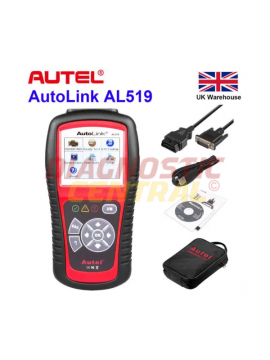
The fastest route is a structured one. Start with a capable diagnostic tool that can access the engine and emissions control modules, read manufacturer-specific codes and display live data. Generic code readers may show a broad emissions fault, but they often miss the detail needed to separate a failed sensor from a dosing problem.
Begin by checking stored and pending fault codes, then look at freeze-frame or event conditions where available. The key question is whether the ECU is complaining about fluid quality, level, temperature, pressure, dosing performance, NOx conversion efficiency or electrical plausibility.
After that, verify the obvious physical checks. Confirm the AdBlue level. Inspect the filler area for contamination. Look for crystal deposits around the injector, lines and tank connections. Examine wiring and plugs for corrosion, fluid ingress or mechanical damage. A visual check takes minutes and can save an hour of unnecessary testing.
Live data is where the diagnosis sharpens up. Compare tank level, fluid temperature, pressure readings, NOx values, exhaust temperatures and commanded dosing activity. If the ECU is requesting dosing but pressure never rises, the problem is likely in the supply side. If pressure is present but NOx reduction is poor, the issue may sit with the injector, catalyst efficiency or the sensors reporting system performance.
Actuation tests are useful if the tool supports them. Running a pump test, heater test or injector activation can expose faults that a static code read will not. On many vehicles, these functions separate a real workshop-grade diagnostic process from guesswork.
Why fault codes are only part of the answer
A code description can point you in the right direction, but it should not be treated as a parts list. A NOx sensor fault code might mean the sensor has failed, but it might also be reacting to an upstream engine issue, poor combustion, an exhaust leak, or a dosing fault that leaves emissions out of range.
Likewise, a reductant pressure fault does not automatically condemn the pump. Low voltage, damaged wiring, restricted lines or crystallised fluid can create the same result. The trade-off here is simple: replacing parts quickly might get lucky once, but it is an expensive habit and not a reliable diagnostic method.
That is especially true on newer vehicles where the SCR system is heavily monitored. The control logic is less forgiving than it was on early systems. One incorrect assumption can leave you with a repaired vehicle that still will not clear the warning or restart inhibition.
Workshop checks that often get missed
A lot of AdBlue faults are made worse by rushing. Before condemning major components, check battery voltage and charging condition. Low system voltage can produce implausible faults across multiple modules, including emissions systems.
Also pay attention to the wider engine condition. If the engine is not reaching proper operating temperature, if there is an EGR issue, or if combustion is poor, the SCR system may struggle to hit expected conversion values. In that case, the AdBlue system becomes the messenger, not the root cause.
Exhaust leaks upstream of NOx sensors or around the SCR section can also skew readings. So can repeated short runs where the system rarely reaches efficient operating conditions. This is one of those it-depends situations. A fleet van doing motorway miles gives different clues from a town-driven diesel that rarely gets hot enough.
The value of the right diagnostic equipment
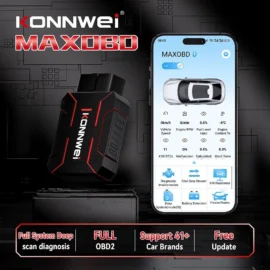
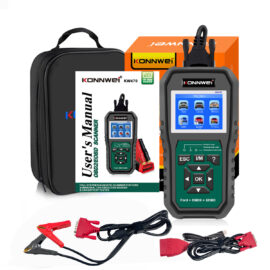
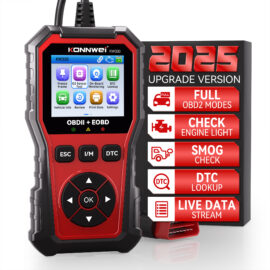
This is where proper equipment earns its place. AdBlue and SCR faults are not ideal territory for bargain-basement readers with limited coverage. You need dependable access to manufacturer-level fault information, live parameters, service functions and actuator tests if you want answers quickly.
For independent garages and mobile technicians, tool compatibility matters just as much as function. Working across mixed makes means you need equipment that can handle passenger cars and light commercial vehicles without leaving you blind on emissions controls. That is exactly why specialists buy diagnostics from companies that understand workshop use rather than general online resellers.
A good tool does not replace diagnostic thinking, but it does remove the guesswork. It lets you prove whether the tank heater is active, whether the pump is building pressure, whether the NOx readings are plausible and whether the system reset has completed correctly after repair.
When repair is straightforward – and when it is not
Some AdBlue faults are simple. Topping up with correct-spec fluid, clearing a level-related warning, repairing damaged wiring or cleaning crystallisation from the injector area can be a clean fix. Others are not. Tank modules, sensors and control strategies can turn into a larger repair, especially if the system has been ignored until a no-restart countdown is active.
That is why clear diagnosis at the start matters so much. If you know whether the fault is electrical, mechanical, fluid-related or software-related, the repair path becomes far more predictable. You can quote properly, order the right parts first time and avoid the usual cycle of replacing one expensive item after another.
For technicians and informed vehicle owners alike, the best approach is simple: do not treat an AdBlue warning as a guessing game. Treat it as a system fault that needs evidence. With the right checks and the right diagnostic equipment, you can get to the root cause faster, keep the repair accurate, and avoid handing the vehicle back with the same warning ready to return.