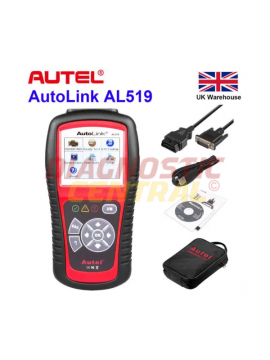
A scanner that reads one fault code and calls it a day is not a diagnostic tool. It is a code reader. That distinction matters, and any proper OBD2 scanner review guide should start there, because too many buyers end up with a cheap unit that clears the engine light but tells them very little about the actual fault.
For garages, mobile technicians and capable DIY owners, the right scanner saves time, cuts guesswork and helps you move from warning light to confirmed fault with far less back-and-forth. The wrong one slows the job down, misses manufacturer-specific data and leaves you chasing symptoms. Price matters, but capability matters more.
What an OBD2 scanner should actually do
At the most basic level, every OBD2 scanner should read and clear generic fault codes, display emissions-related data and confirm whether monitors are ready for an MOT-related check. That is the starting point, not the benchmark for a good tool.
A better scanner gives you live data that updates quickly, freeze frame information, code definitions that are clear rather than vague, and a stable connection that does not drop out halfway through a session. Once you move beyond basic engine faults, the quality gap becomes obvious. Better tools can access more systems, provide service functions and give you enough data to make a proper judgement instead of replacing parts on a hunch.
That is why the best buying decision depends on what you work on. A home user with one petrol hatchback does not need the same tool as a garage seeing mixed makes, diesel vans and newer vehicles with complex electronic systems.
OBD2 scanner review guide – the features that matter most
Most product pages lead with code reading, but that is expected. The useful differences sit elsewhere.
Vehicle coverage
Coverage is the first thing to check. A scanner may support OBD2 in the generic sense yet still offer limited access on certain makes, years or systems. If you are working across multiple brands, especially in an independent workshop, broad compatibility is essential. If you mainly deal with one manufacturer, a more focused tool with deeper access can be the stronger choice.
This is where buyers often get caught out. “Works with most vehicles” is not the same as reliable support for your actual customer base. Always look at whether the tool handles petrol and diesel models properly, and whether it covers the systems you need rather than just the engine ECU.
System access
A scanner that only talks to the engine management side is fine for basic emissions faults. It is not enough for modern diagnostics. You may need access to ABS, airbag, transmission, body control, steering, parking brake or battery management systems, depending on the vehicle and fault.
For workshop use, wider module access is usually worth paying for. It gives you more confidence in the diagnosis and reduces the chances of sending a vehicle away with an unresolved secondary fault.
Live data speed and clarity
Live data is where a scanner proves its value. Slow refresh rates, poor parameter labelling and cluttered menus waste time. A good unit gives stable, readable data streams and lets you interpret what the car is doing in real time.
That matters when you are checking fuel trims, sensor response, coolant temperature behaviour, battery voltage or DPF-related readings. On a road test or when chasing an intermittent issue, data quality matters more than a long list of marketing claims.
Service functions
Many buyers now want more than fault reading. Oil reset, EPB reset, battery registration, injector coding, steering angle calibration and DPF functions can make a major difference in day-to-day use. The right service functions can turn a scanner from a basic diagnostic aid into a practical workshop tool.
Not every user needs every function. If you are buying for occasional home use, paying extra for advanced resets you will never use may not make sense. If you are running jobs through a busy workshop, those same functions can quickly justify the spend.
Build quality and usability
This is the part many reviews skip over. In real use, buttons, cable quality, screen visibility and menu logic all matter. A scanner can look strong on paper and still be frustrating in the hand.
For professional use, you want solid connectors, a housing that can cope with workshop life and software that gets you into the right menu without endless tapping about. For less experienced users, plain English menus and clear prompts are equally important. Fast diagnostics are not just about processor speed. They are also about not fighting the interface.
Basic, mid-range and professional scanners
A proper OBD2 scanner review guide should separate tools by user type, because comparisons only make sense when the job is clear.
Basic scanners
These are best for motorists who want to read engine fault codes, clear the warning light after a confirmed repair and check why the MIL has come on. They are affordable and straightforward, but limited. If you expect deep access, bidirectional tests or advanced resets, a basic unit will not be enough.
That does not make it poor value. For the right user, a basic scanner can be exactly the right tool. The issue comes when buyers expect workshop-level results from entry-level hardware.
Mid-range scanners
This is often the sweet spot for serious DIY users, smaller garages and mobile technicians. A solid mid-range tool typically adds wider system access, better live data, useful service functions and broader make coverage. For many users, this category gives the best balance between cost and real capability.
It is also where product quality starts to separate genuine diagnostic specialists from generic sellers. Support, updates and honest specifications matter here, because mid-range buyers need a tool they can rely on repeatedly, not just once.
Professional scanners
Professional tools are built for speed, broad coverage and deeper functions. They are the right fit for workshops dealing with a high volume of vehicles or more involved electronic fault finding. These units may support advanced coding, active tests, relearns and detailed system diagnostics across a wide range of makes.
They cost more, and rightly so. If your work depends on accurate diagnosis and quick turnaround, the extra capability pays for itself in time saved and misdiagnosis avoided.
Common mistakes when reading scanner reviews
The biggest mistake is focusing on the number of functions instead of whether those functions work well on the vehicles you actually see. Ten weak features do not beat three dependable ones.
Another common problem is ignoring update support. Vehicle systems change constantly, and a scanner that is not kept current will age quickly. Before buying, consider whether the tool remains useful over time and whether software support is realistic for your level of use.
There is also the issue of review quality itself. Many online reviews are written around specifications rather than workshop use. They repeat what the box says but do not tell you if the scanner connects reliably, reads data quickly or handles awkward faults sensibly. For buyers in the UK, specialist suppliers with a diagnostics background tend to give clearer guidance than broad marketplace listings.
How to choose the right scanner for your work
If you are a home user, start with the faults you realistically want to deal with. If your aim is to understand the engine light, check readiness status and avoid unnecessary garage visits, a straightforward scanner may be enough. If you maintain multiple vehicles or carry out your own servicing, moving up to a more capable model is usually worthwhile.
If you are an independent mechanic or mobile technician, buy with your vehicle mix in mind. Think about common jobs, not ideal scenarios. If you regularly see battery replacements, brake work, diesel issues and multiple makes, you need stronger service functions and wider system access from the start.
For garages handling a broad range of cars and light commercial vehicles, reliability and coverage should lead the decision. A scanner that saves ten minutes on every job is worth more than one with a lower price and slower operation. That is where specialist diagnostic retailers such as Diagnostic Central tend to stand apart from generic resellers – the focus is on tools that do real work, not just products with attractive wording.
OBD2 scanner review guide – value is not the same as low price
The cheapest tool is often the most expensive one in practice if it leads to wasted labour, missed faults or unnecessary parts replacement. Real value comes from accurate data, dependable compatibility and enough capability to support the work in front of you.
That does not mean everyone needs top-end equipment. It means buyers should match the scanner to the task honestly. A well-chosen mid-range tool will outperform a poorly chosen premium one every time if it suits the vehicles, faults and workflow better.
Modern vehicles do not leave much room for guesswork. The better your scanner, the quicker you get to the truth of the fault, and the easier it is to work with confidence. Buy for the jobs you actually do, not the badge on the box.