A vehicle comes in with an intermittent misfire, an ABS warning light and a flat battery complaint, and the real cost is not the part – it is the time wasted chasing the wrong fault first. That is why choosing the best diagnostic tools for garages matters. The right kit shortens fault-finding, improves first-time fix rates and gives your workshop a clearer route from symptom to repair.
There is no single tool that suits every garage. A small independent workshop handling mixed makes needs broad coverage and speed. A mobile technician may prioritise portability and fast start-up. A commercial repairer needs heavy-duty compatibility, adaptor support and stronger system access. The best buying decision starts with the jobs you actually see every week, not with the biggest screen or the longest feature list.
What the best diagnostic tools for garages actually do
A proper workshop diagnostic setup does more than read and clear engine fault codes. Modern vehicles spread faults across multiple control units, so a useful tool needs to reach systems such as ABS, airbag, transmission, body control, service functions and battery management. If it cannot see the right module, it cannot point you towards the right repair.
Speed matters just as much as coverage. In a busy garage, slow menu structures, poor vehicle identification and unreliable communication waste billable time. A strong diagnostic tool should connect quickly, identify the vehicle accurately and present fault information in a way that helps a technician make a decision. Live data, actuator tests and service resets are often where a tool earns its place on the bench.
It also needs to be realistic about workshop conditions. That means durable hardware, dependable cables, sensible software layout and support for the vehicles you actually work on in the UK. A tool that looks impressive on paper but struggles with common Vauxhall, Ford, BMW or Peugeot jobs soon becomes shelf stock.
The core categories every garage should consider
When people ask about the best diagnostic tools for garages, they are often really asking which mix of tools gives them the most reliable coverage without overspending. In practice, most workshops benefit from more than one type of device.
Multi-make OBD2 and system scanners
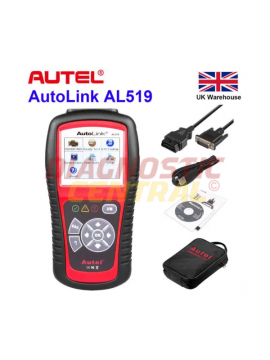
For most independent garages, this is the starting point. A good multi-make scanner covers a wide range of manufacturers, reads fault codes across multiple systems and gives access to live data, reset functions and basic coding on supported models. It is the everyday workhorse.
The value here is versatility. If your workshop sees everything from hatchbacks to light commercial vehicles, a broad-coverage scanner keeps jobs moving. The trade-off is that universal tools do not always go as deep as brand-specific equipment. They are excellent for general diagnostics, routine servicing and common repair work, but on certain vehicles advanced functions can be limited.
Brand-specific diagnostic tools
If your garage specialises in one make or a small group of manufacturers, brand-specific equipment can save serious time. These tools often provide better module access, stronger coding capability and more reliable communication with systems that generic platforms only partially cover.
This matters on modern vehicles where calibration, module replacement and electronic service procedures are becoming routine. The downside is obvious – narrow coverage. If your workshop books a constant flow of one marque, the investment makes sense. If you work on everything that rolls in, it becomes a supporting tool rather than your main platform.
Battery testers and electrical diagnostic tools
Too many garages still treat battery and charging faults as a quick side check. That is a mistake. Start-stop systems, battery management and voltage-sensitive electronics mean weak battery performance can trigger a long list of misleading symptoms. A proper battery tester helps separate genuine component faults from low-voltage nonsense before time is wasted.
Electrical tools are not glamorous, but they are among the most profitable. When a customer reports non-start issues, warning lights or charging complaints, accurate battery and system testing gives you a cleaner diagnosis from the start. It also supports preventative maintenance, which customers understand because the result is immediate and measurable.
Commercial vehicle and adaptor-based solutions
Garages handling vans, lorries or trailers need to think beyond standard passenger car coverage. Commercial diagnostics often depend on the right adaptor cables, software compatibility and system support for fleet-related functions. This is where buying from a specialist supplier matters, because the wrong cable or poor-quality accessory can stop a job before it starts.
The key point is simple. Commercial work demands planning. If your workshop is moving into van and lorry diagnostics, make sure your chosen platform can expand with the correct adaptors, modules and accessories rather than forcing a second purchase later.
How to choose the right tool for your workshop
The best tool is not the one with the longest specification sheet. It is the one that fits your daily workflow and returns value quickly.
Start with vehicle parc. Look at the makes, ages and types of vehicles you see each month. A garage servicing older mixed-fleet cars needs different coverage from a workshop focused on newer premium vehicles with advanced electronics. If half your work involves service resets, DPF issues and common fault code tracing, a reliable multi-make platform may be enough. If you regularly replace modules or perform coding tasks, you need deeper functionality.
Next, think about technician ability. Some tools are built for speed and straightforward operation, which suits general workshop use and less experienced staff. Others assume stronger diagnostic knowledge and reward that with greater depth. There is no point buying a complex platform if nobody in the garage will use half its features.
Then consider ownership costs. Software updates, subscription models, adaptors and replacement accessories all affect long-term value. A cheaper entry price can become expensive if key functions sit behind add-ons. Equally, the most expensive system is not always the best value if your jobs do not require its full capability.
Features worth paying for – and features that can wait
Reliable vehicle identification is worth paying for. So is stable communication, especially on jobs where intermittent connection can corrupt workflow and confidence. Good live data presentation also matters because technicians need to compare values quickly, not scroll through cluttered menus looking for fuel trim or wheel speed readings.
Bi-directional control is useful, but not every garage needs it on day one. If you regularly test components, cycle actuators or confirm repairs before strip-down, it can be a strong time-saver. If your workshop mainly handles routine servicing and straightforward fault code work, it may be a nice extra rather than a buying priority.
Wireless operation can be convenient, particularly for road tests and mobile technicians, but do not let it distract from core performance. A stable, dependable wired setup is often better than a wireless tool that drops out at the wrong moment.
Screen size, layout and boot speed deserve more attention than many buyers give them. A diagnostic tool used all day should be easy to read, quick to navigate and ready to work without fuss. The small usability details have a direct effect on workshop efficiency.
Common buying mistakes garages make
One common mistake is buying purely on price. Cheap diagnostic tools can look tempting, especially for smaller garages, but weak coverage and unreliable communication usually cost more in lost time than the initial saving was worth. Diagnostics is not the place for guesswork.
Another mistake is relying on one tool for every job. Even strong multi-make platforms have limits. A better approach is often to build a practical diagnostic setup over time – for example, a main scanner, a battery tester and selected brand-specific or commercial accessories where your work demands them.
Garages also underestimate support. When a vehicle will not communicate, an update behaves oddly or a cable issue stalls a repair, specialist guidance matters. Buying from a diagnostics-focused supplier gives you a better chance of getting equipment that suits real workshop use, rather than generic stock pushed with little technical understanding. That is one reason many UK workshops look to specialists such as Diagnostic Central when expanding their setup.
Building a smarter diagnostic setup
If you are upgrading from basic code readers, do not jump straight to the most advanced platform on the market unless your workload supports it. A more sensible route is to choose a strong all-round scanner first, then add battery and electrical testing, then fill any gaps with adaptors or marque-specific tools once patterns in your jobs become obvious.
That approach keeps spending tied to revenue. It also reduces the risk of buying features that sound impressive but do not improve turnaround time. In most garages, speed, compatibility and dependable results beat novelty every time.
A diagnostic tool should do one thing above all else – help you reach the right repair faster. If it does that consistently, it earns its place. Buy for the work in front of you, not the marketing around it, and your workshop will be better equipped for the faults that actually pay the bills.