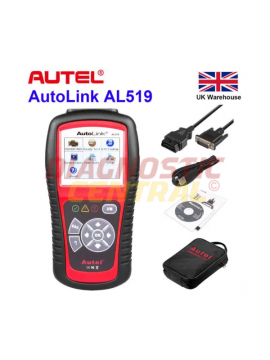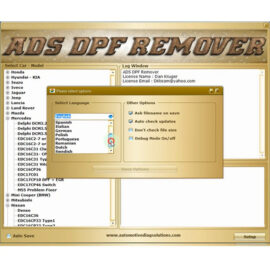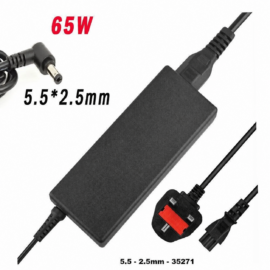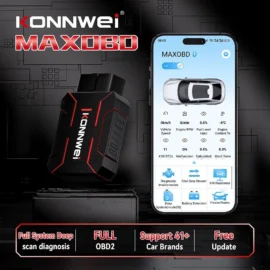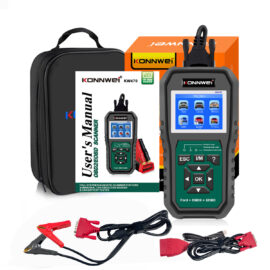
A scan tool is only as useful as what you can connect it to. In real workshop conditions, diagnostic tool accessories are what turn a basic code reader into a practical fault-finding system that works across cars, vans, lorries and mixed fleets.
That matters because modern diagnostics rarely fail through lack of software alone. More often, the hold-up is compatibility, access or signal quality. The tool may be capable, but without the right adapter cable, battery clamp, brand-specific lead or replacement part, you are left guessing, wasting labour time and delaying repairs.
Why diagnostic tool accessories make a difference
Accessories are often treated as add-ons. In practice, they affect how quickly you can get onto a vehicle, how much system coverage you have, and whether the data you read is reliable enough to act on.
Take commercial vehicle work as an example. A technician may have a capable main unit, but without the correct trailer or lorry adapter, that tool is not earning its keep. The same applies in passenger car diagnostics. Older vehicles, brand-specific systems and certain service functions may require dedicated leads or modules before the tool can communicate properly.
This is where buying on price alone usually goes wrong. Cheap, generic accessories can look acceptable until they are used day after day. Poor pin fitment, weak cable strain relief and inconsistent signal transfer create intermittent faults that waste time and can send a diagnosis in the wrong direction. A workshop does not need accessories that merely fit. It needs accessories that work consistently.
The main types of diagnostic tool accessories
Some accessories are about physical connection, while others extend capability. Knowing the difference helps you buy what improves your workflow instead of what just fills a drawer.
Adapter cables and lead sets
These are the most obvious starting point. Adapter cables bridge the gap between your tool and the vehicle, especially where standard OBD2 access is not enough. They are common in commercial diagnostics, older vehicle platforms and manufacturer-specific systems.
For garages handling mixed vehicle types, adapter coverage can be the difference between one visit and two. If you service vans during the week and agricultural or heavy-duty vehicles alongside them, your lead set needs to reflect that reality. A cheap universal cable kit may promise broad compatibility, but the real test is whether it connects cleanly and communicates first time.
Brand-specific modules and interface add-ons
Some tools need extra modules to unlock deeper coverage or special functions. That can include manufacturer-specific diagnostics, coding support, service resets or access to systems beyond the engine control unit.
This is where there is a genuine trade-off. A general-purpose scanner with the right module can be a cost-effective route for an independent workshop. But if your business specialises in a narrow group of marques, a more dedicated setup may be quicker and more complete. It depends on whether breadth or depth matters more in your day-to-day work.
Battery testing leads, clamps and power accessories
Stable voltage is a basic requirement in diagnostics, yet it is still overlooked. Weak clamps, damaged leads or unreliable power accessories can interrupt sessions, affect programming work and lead to false fault symptoms.
If you are carrying out coding, battery registration or extended diagnostic sessions, quality power support is not optional. Even straightforward fault code reading becomes less trustworthy when the vehicle electrical system is unstable. Accessories in this area are not glamorous, but they protect both the process and the result.
Replacement spares for worn diagnostic equipment
Daily-use items wear out. Connector ends loosen, pins become damaged, cases split and protective leads take abuse on workshop floors. Replacing a worn accessory is usually cheaper and faster than replacing a complete diagnostic unit.
This matters for mobile technicians in particular. If a cable fails on the road, that is not just a minor inconvenience. It can mean a lost job, an extra callout or a customer left waiting with a vehicle off the road. Keeping essential spare accessories available is part of running diagnostics properly.
Choosing diagnostic tool accessories for your workshop
The right choice depends on the vehicles you see, the level of diagnosis you offer and how often the equipment is used. A DIY user checking a family car does not need the same setup as a busy independent garage or commercial repairer.
Start with coverage. Look at the makes, models and vehicle classes you work on most often. If your workload includes passenger cars, light commercial vans and heavier vehicles, choose accessories that support that spread. If most of your revenue comes from one manufacturer group, prioritise the accessories that strengthen depth on those systems.
Then look at job type. There is a clear difference between reading and clearing codes, carrying out service functions, and diagnosing deeper electrical faults. Basic users may only need reliable OBD2 leads and a battery tester connection setup. Professional users usually need more – dedicated adapters, specialist modules and replacement cables ready to go.
Build quality should be judged with a workshop mindset. Look for secure connector moulding, proper strain relief, durable outer cable material and accurate fitment. A lead that feels slightly loose at the port will become a problem under regular use. The same goes for accessories with poor-quality terminals or weak retention clips.
Compatibility claims also need to be read carefully. “Universal” often means broadly intended, not guaranteed to support every function on every vehicle. Good accessories are specific about what they fit and what they enable. That clarity saves time and avoids returns.
Where buyers often get it wrong
The most common mistake is treating accessories as an afterthought. A workshop will spend properly on the main scan tool, then try to save a small amount on the cables and adapters that determine whether the tool works as intended.
Another mistake is buying too broadly without thinking about actual use. A large kit can seem attractive, but if half the accessories never leave the case, that money could have gone into better-quality essentials you use every week. There is no value in paying for coverage that does not match your jobs.
The opposite problem also happens. Some buyers choose the bare minimum, then find they cannot connect to a common vehicle in their area or perform the service function they advertised. That creates delays and weakens confidence with customers.
A more technical issue is ignoring wear and calibration habits. Accessories do not stay in new condition forever. If you rely on the same leads every day, inspect them. Intermittent communication is not always a vehicle fault. Sometimes it is a tired cable, a bent pin or a damaged connector housing.
Diagnostic tool accessories for professionals and capable DIY users
For professional workshops, accessories are about efficiency. The aim is to reduce dead time between bringing the vehicle in and getting usable information. Every extra minute spent searching for the right adapter or reattempting a connection cuts into profit.
For capable DIY users, the priorities are usually simpler but still important. You want an accessory setup that matches your vehicle, works first time and does not leave you second-guessing the result. If you service your own car, maintain family vehicles or manage a small private fleet, buying the right lead or module upfront often costs less than repeated guesswork.
That is why specialist suppliers matter. A business focused on diagnostics, rather than generic marketplace listings, is far more likely to stock accessories that match real workshop use. Diagnostic Central works in that specialist space, where compatibility, performance and product knowledge carry more weight than flashy packaging.
What good accessories actually save you
Time is the obvious answer, but it goes further than that. Good accessories reduce misdiagnosis, prevent repeated connection failures and make your main diagnostic unit more useful across a wider vehicle range.
They also help standardise your process. When the right adapter is available, the battery connection is stable and the tool communicates properly, the diagnostic path becomes repeatable. That is how workshops build speed without cutting corners.
There is also a customer-facing benefit. Faster, clearer diagnosis improves confidence. Whether you are explaining a fault to a retail customer or keeping a commercial fleet moving, reliable diagnostic access helps you give firmer answers instead of vague possibilities.
If you rely on vehicle diagnostics to make decisions, accessories are not the small stuff. They are part of the system. Choose the ones that match your vehicles, your workload and the standard of work you want your workshop to be known for.