
A diesel with a DPF light on and reduced power rarely needs guesswork. It needs proper diesel particulate filter diagnostics, because the difference between a blocked filter, a failed pressure sensor and a poor regen strategy can be hundreds of pounds in wasted parts and lost workshop time. If you work on modern diesel vehicles, this is one system you need to read properly rather than assume.
Why diesel particulate filter diagnostics matter
The diesel particulate filter is there to trap soot before it leaves the exhaust. That sounds simple enough, but the system around it is not. The engine control unit calculates soot load, monitors differential pressure, watches exhaust gas temperatures and decides when conditions are right for regeneration. When one part of that chain is wrong, the vehicle can trigger warning lights, enter limp mode or start repeatedly attempting regens that never complete.
This is where poor diagnostics usually cost the most. A driver sees smoke, a warning lamp or sluggish performance and assumes the DPF itself has failed. In reality, the filter may just be doing exactly what the engine has forced it to do. Faulty injectors, a sticking EGR valve, split pressure pipes, a failed temperature sensor or repeated short journeys can all push the DPF system into trouble. Replacing the filter without checking the cause is not a repair. It is an expensive pause.
What proper diesel particulate filter diagnostics should include
A basic code read is only the starting point. Useful diesel particulate filter diagnostics combine fault codes with live data, operating conditions and a bit of mechanical sense. If your tool only tells you there is a DPF issue but cannot show soot load, differential pressure and regen status, you are working half blind.
At minimum, you want to see whether the ECU believes the filter is loaded, whether the pressure reading makes sense at idle and under load, and whether the exhaust temperatures are high enough for a successful regeneration. You also need to know if the vehicle is requesting an active regen, has recently aborted one, or has locked regeneration out due to another fault.
That last point matters more than many people realise. Plenty of DPF complaints are secondary faults. If there is a glow plug fault, an intake leak, a coolant temperature issue or an additive dosing problem on vehicles that use one, the ECU may prevent regen entirely. The blocked filter is then the result, not the root cause.
The data points that usually matter most
Differential pressure is one of the quickest checks, but it must be interpreted properly. A high reading at idle may point to a heavily restricted filter, but it can also indicate a biased sensor or damaged pressure lines. If the reading barely changes with engine speed, that is often suspicious in a different way.
Calculated soot load and ash load are also worth separating. Soot can be burned off during regeneration. Ash cannot. Over time, even a healthy vehicle will accumulate ash from oil additives and combustion residues, and eventually the DPF reaches the end of its service life. A forced regen on a filter full of ash will not fix much.
Exhaust gas temperature readings are equally important. If pre-DPF temperatures never rise as expected during a commanded regen, the system may be unable to complete the process. That can come from temperature sensor faults, fuelling issues or the sort of usage pattern that never gives the engine a proper run.
Common fault patterns and what they often mean
A vehicle used for school runs, stop-start delivery work or short urban commutes will often show rising soot load with frequent interrupted regenerations. In those cases, the DPF may not be defective at all. The vehicle is simply not getting the conditions it needs.
A sudden DPF warning on a vehicle that usually does motorway miles can point elsewhere. Pressure sensor issues are common, especially where heat and vibration have taken their toll on hoses or wiring. If the live data is implausible, chasing the filter first is usually the wrong move.
Then there are the engines that produce too much soot in the first place. A tired turbo, poor injector spray pattern, boost leaks or EGR problems can all increase particulate output. The DPF then blocks faster than it should, and the owner blames the filter because that is the warning light they can see.
Oil level rising on the dipstick is another warning sign worth taking seriously. On some systems, repeated failed regens lead to diesel dilution of the engine oil. Keep driving like that and you are no longer dealing with a single exhaust fault. You are inviting bearing and turbo damage as well.
Regeneration – when it helps and when it does not
Regeneration is often talked about as if it is the fix. It is not. It is a maintenance process built into the system. When the conditions are right, the vehicle increases exhaust temperatures to burn off accumulated soot. If the fault is simply incomplete regeneration due to driving pattern, a successful guided regen may restore normal operation.
But there is a line. If differential pressure is already excessive, if the filter substrate is damaged, or if the engine has unresolved faults that will immediately reload the DPF, forcing a regen can be pointless or risky. On some vehicles, carrying out a forced regen with the wrong underlying conditions can overheat components or push a failing system over the edge.
This is why a proper scan tool matters. You need to know whether the ECU will allow regeneration, what prerequisites are missing and whether the live readings support doing it safely. Blindly commanding a regen because the menu offers it is not diagnostics. It is button pressing.
Workshop approach – the fastest way to avoid misdiagnosis
In practice, the most efficient approach is structured. Confirm the complaint, scan all relevant modules, then look at live data before reaching for parts. Check the differential pressure sensor and its pipes physically. Inspect temperature sensor values from cold start onwards to see whether they are plausible. Look for faults in EGR, boost control, glow system and fuel delivery. Then assess whether the DPF condition is a cause or an effect.
Road testing still matters. A filter that looks borderline at idle may show its true behaviour under load. Likewise, a vehicle that appears ready to regenerate on the workshop floor may fail when driven because one sensor drops out intermittently. Static checks are useful, but they are not the whole picture.
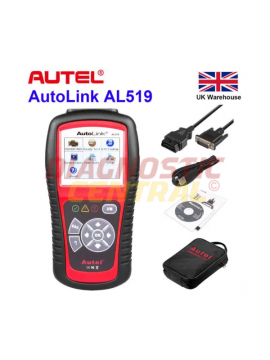
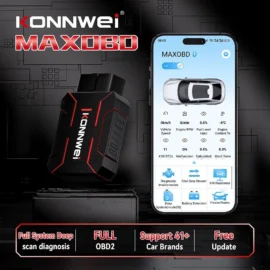
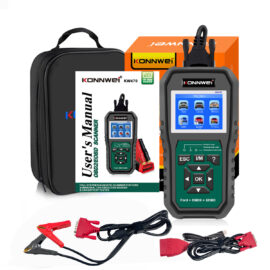
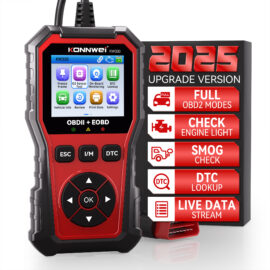
For garages handling mixed makes, tool coverage is a serious consideration. Generic OBD can show emissions codes, but manufacturer-level functions are often needed for service resets, learned values, regeneration commands and more detailed DPF parameters. That is where better equipment pays for itself quickly. Faster diagnosis means fewer wasted hours and fewer awkward calls to customers after a guessed repair has not worked.
DIY checks versus professional-level diagnosis
A competent DIY owner can still do useful checks. Reading fault codes, monitoring basic live data and recognising when a vehicle has been doing repeated short trips can help avoid panic replacement of expensive parts. If the car has only just started showing a DPF warning and there are no deeper faults present, an informed decision can often prevent the issue getting worse.
Even so, DPF systems are one area where cheap tools can leave gaps. If the scanner cannot access regen history, measured soot values, ash estimates or service functions, you may only see the symptom, not the logic behind it. That is fine for basic awareness, but less useful when the vehicle is already in limp mode or has multiple linked faults.
For workshop users, this is exactly why precision matters. Reliable diagnostic equipment does more than pull a code. It gives you the data needed to decide whether the answer is a road regen, a forced regen, sensor replacement, pressure line repair, DPF cleaning or filter replacement.
The trade-off with DPF cleaning and replacement
Cleaning can be effective when the filter is structurally sound and the loading is within recoverable limits. It is often the better value option compared with replacement, especially on larger diesel vehicles where a new DPF can be costly. But cleaning only makes sense once the root cause is identified. Otherwise the filter comes back loaded again and everyone loses time.
Replacement has its place, particularly where ash accumulation is at end-of-life level or the substrate has cracked or melted. The mistake is treating replacement as the first answer. If the engine is over-fuelling, the pressure sensor is lying, or the vehicle cannot complete regens because of another stored fault, the new unit will simply inherit the same problem.
For anyone diagnosing diesels regularly, that is the bigger lesson. The DPF is not an isolated component. It is the visible end of a wider combustion and emissions control system. Read it that way, and fault-finding gets quicker, cleaner and far more accurate.
Good diesel particulate filter diagnostics save money because they cut out assumption. They also protect customer trust. When you can show exactly what the readings mean and why the fault has occurred, the repair stops being a guess and starts looking like what it should be – a proper diagnosis backed by data.