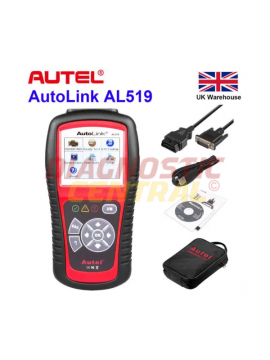
A scan tool that slows the job down is not a bargain. In a working garage, the best scan tool for garage use is the one that gets you to the fault quickly, covers the vehicles you actually see, and gives enough live data and system access to make the next repair decision with confidence.
That sounds obvious, but this is where many workshops waste money. They buy on headline features, a big screen, or a long vehicle list, then find the tool is weak where it matters – poor service function support, patchy module access, slow communication, or awkward menus that cost minutes on every vehicle. In a busy bay, those minutes add up.
What makes the best scan tool for garage work?
If you run an independent garage, a mobile diagnostic service or a mixed workshop handling cars and light commercial vehicles, there is no universal answer. The right tool depends on the age of the vehicles you see, the brands you service most, and whether you need broad coverage or deeper brand-specific capability.
For most UK garages, the best scan tool is not necessarily the most expensive. It is the one that balances four things properly: system coverage, speed, reliability and ongoing usability. A scanner that reads engine fault codes well but falls short on ABS, airbag, transmission, steering, body modules or service resets will quickly become a second-choice tool. That is when technicians start reaching for another machine, and the first purchase stops paying its way.
Usability matters just as much as specification. A garage tool should connect quickly, identify the vehicle with minimal fuss, and present data in a way that helps diagnosis rather than complicates it. If a menu structure feels clumsy on day one, it rarely improves after six months.
Broad coverage or specialist depth?
This is the first real buying decision. A general workshop scan tool is designed to work across multiple makes and models, which makes sense for most independents. It gives you broad fault code reading, live data, service functions and access to a wide range of systems on common UK vehicles.
That broad approach is ideal when your workshop diary includes everything from a Ford Transit to a BMW 3 Series, then a Vauxhall Corsa and a Peugeot van. You need flexibility, not a tool that is excellent on one make and average on the rest.
The trade-off is depth. Multi-make tools can be very strong, but brand-specific diagnostics often go further with coding, adaptations, calibrations and special functions. If your garage specialises in one group – VAG, BMW, Mercedes-Benz, Land Rover or commercial vehicles, for example – a dedicated or semi-dedicated solution may be the better investment.
For many garages, the smartest setup is a strong multi-make main unit backed up by specialist equipment for the brands that generate the most profitable work.
The features that actually matter in a workshop
The best scan tool for garage environments needs to do more than read and clear codes. Basic code access is now the starting point, not the selling point.
Full system diagnostics is essential. That means engine, transmission, ABS, SRS, immobiliser, body control, parking brake, steering, TPMS and other manufacturer systems where supported. If the tool only gives generic OBD2 functions, it is fine for a quick emissions-related check, but not for modern workshop diagnostics.
Live data is where a scanner starts proving its worth. Good live data lets you compare requested versus actual values, follow sensor performance under load, monitor fuel trims, and catch faults that never show clearly through static codes alone. A scanner with poor graphing or slow refresh rates can make live diagnosis far more awkward than it needs to be.
Service functions also matter more than some buyers expect. Oil reset, EPB retraction, battery registration, DPF regeneration, injector coding, steering angle reset and throttle adaptation are not nice extras. In many garages, they are routine work.
Bi-directional control is another serious advantage. When a tool can command components for test purposes – fans, pumps, injectors, relays and actuators – fault finding becomes quicker and more precise. Not every workshop needs this every day, but once you have used it properly, it is hard to go back.
Vehicle coverage must match your job mix
A scanner can claim huge coverage and still be the wrong tool for your garage. What matters is how well it handles the vehicles you actually book in.
If your work is mostly petrol and diesel cars from common UK brands, your priority is consistent European and Asian coverage, not a long list padded with rare models you may never see. If you handle vans and light commercial vehicles, check that support is not an afterthought. Many buyers assume van coverage is included at the same depth as passenger cars, then discover service functions or module access are limited.
If you work on older vehicles as well as newer CAN-based platforms, compatibility across model years is worth checking carefully. Some tools are stronger on newer systems and less convincing on legacy vehicles.
Lorry and heavy commercial workshops have different needs again. Connector types, software packages and system support can differ significantly, so a car-focused scan tool is rarely enough.
Speed, build quality and updates
A workshop scanner needs to earn its place every day. That means quick boot times, stable communication and hardware that can cope with regular use, dirty hands and life on a trolley or workbench.
Cheap tools often look acceptable on paper but fall short in practice. Slow loading, random dropouts and weak battery life are more than irritations – they interrupt diagnosis and damage confidence in the result. If a technician starts doubting the tool, they stop trusting the data, and that defeats the purpose of owning it.
Software updates are part of the value calculation too. Vehicle systems change constantly. If updates are poor, infrequent or confusing to manage, the tool ages fast. Before buying, it is worth asking how updates are delivered, what they typically include, and whether the platform has a record of continued support rather than short-term sales appeal.
Price matters, but value matters more
There is always pressure to buy cheaper, especially for newer workshops. But the cheapest option often creates the most expensive delays. If a tool misses one key function, forces repeated rescans, or cannot access the module you need, the lost labour time will soon wipe out the initial saving.
That does not mean every garage needs a top-tier diagnostic platform. Plenty of workshops are better served by a dependable mid-range tool with strong daily coverage than an expensive unit loaded with functions they will rarely use.
A sensible way to judge value is simple. Ask how often the tool will be used each week, what routine jobs it can speed up, and whether it can help bring diagnostic work in-house instead of outsourcing it. If it saves time on each service, supports resets and adaptations properly, and improves first-time fault identification, it is doing its job.
Who should buy what?
A small independent garage handling mixed makes usually needs a capable multi-make scan tool with full-system coverage, strong service functions and reliable live data. That gives the broadest return on investment.
A mobile technician may place more value on portability, fast start-up and straightforward navigation. A bulky platform with endless menus is less attractive when you are working outdoors or on-site.
A specialist workshop should lean towards depth. If one brand family dominates your bookings, deeper diagnostic access is usually worth more than wider but shallower coverage.
DIY users with advanced mechanical ability need to be realistic. A garage-grade scanner can be a good investment if you maintain several vehicles or take on complex repairs, but many home users will never use the deeper functions often enough to justify the spend.
Buying from a diagnostics specialist makes a difference
Not all sellers understand what they are listing. That matters with scan tools because real compatibility, update support and workshop suitability are not always obvious from a product title or a short specification panel.
A specialist diagnostics supplier is more likely to understand the gap between generic OBD reading and genuine workshop-level testing. That means better advice before purchase and a better chance of ending up with a tool that matches your actual vehicle mix and workload. Diagnostic Central operates in that specialist space, which is exactly what garages should look for when they want equipment chosen for real use rather than marketplace volume.
The right tool should remove doubt
The best scan tool for garage use is the one that cuts guesswork out of the job. It should help you confirm the fault, not just point vaguely in its direction. That means reliable system access, useful live data, practical service functions and coverage that reflects the vehicles on your ramp, not marketing claims on a box.
Buy for the work you do every week, not the fantasy version of the workshop you might run one day. A scanner that fits your garage properly will pay for itself quietly – one faster diagnosis, one avoided comeback and one confident repair decision at a time.