
A warning light comes on halfway through the school run or just before a delivery slot, and the first question is always the same – can I keep driving, or am I about to make this expensive? That is exactly where a proper dashboard warning lights guide earns its keep. Modern vehicles throw up more symbols than ever, and guessing is how small faults turn into breakdowns, recovery bills, and unnecessary parts swapping.
The first rule is simple. A dashboard light is not the fault itself. It is the vehicle telling you a system has detected a problem, a condition outside normal limits, or a safety feature that is active. Some lights are informational. Some mean book it in soon. A few mean stop the vehicle as soon as it is safe and assess the issue properly.
How to read this dashboard warning lights guide
The quickest way to make sense of any symbol is to treat the colour as the first level of diagnosis. Red usually means stop or investigate immediately. Amber usually means caution, reduced performance, or a fault that needs attention soon. Green and blue are normally status indicators rather than warnings.
That colour rule helps, but it is not perfect. A flashing amber engine management light can be more urgent than a steady red symbol on another model. Vehicle make, system design, and driving conditions all matter. That is why warning lights should be backed up with fault-code reading rather than guesswork.
Red warning lights – do not ignore them
Red lights are the ones that deserve your full attention. If the oil pressure warning light appears while driving, stop as soon as it is safe. Low oil pressure can destroy an engine in minutes. Topping up the oil is not always the fix either, because the fault may be pressure-related rather than level-related.
The coolant temperature warning is another one that can go from manageable to serious very quickly. If the engine is overheating, carrying on can lead to warped components, head gasket failure, and a much larger repair bill. Let the system cool before checking coolant level, and never remove a pressurised cap on a hot engine.
Brake system warnings also sit firmly in the serious category. A red brake warning could point to low brake fluid, hydraulic issues, or an applied handbrake, depending on the vehicle. If braking feel changes at the same time, the answer is not to hope for the best. The vehicle needs proper inspection before further use.
Battery and charging warnings can be slightly more conditional. A red battery symbol does not always mean the battery itself has failed. It often points to a charging fault such as an alternator, wiring, belt, or control issue. The car may still run for a short period on battery reserve, but not for long. If you are seeing dim lights, electrical glitches, or repeated starting problems, test the charging system rather than replacing parts blindly.
Amber warning lights – urgent, but not always stop-now urgent
Amber lights are where many drivers make expensive decisions. They keep driving for weeks because the car still moves, or they replace the first part someone mentions online. Neither approach is efficient.
The engine management light is the classic example. A steady amber light can mean anything from a minor emissions fault to an air leak, sensor issue, ignition problem, or fuel system fault. The vehicle may feel normal, or it may be down on power. On many models, the only sensible next step is a scan tool reading live data and stored fault codes. That tells you whether you are dealing with something routine or something likely to escalate.
A flashing engine management light is different. That often indicates an active misfire severe enough to risk catalytic converter damage. If the engine is running rough, reduce load and stop driving if necessary. Continuing to push on can turn a repairable ignition or fuelling issue into an expensive exhaust after-treatment problem.
ABS and traction control lights also need context. If the ABS light is on, normal braking may still be present, but anti-lock functionality may be disabled. Add a traction control or stability light, and the vehicle may no longer manage wheel slip or directional stability as intended. In dry, calm conditions you might get home or back to the workshop. In poor weather, that same vehicle becomes a different proposition.
DPF, AdBlue, and emissions-related warnings are increasingly common on diesel vehicles. Some need a proper regeneration procedure, some need a sensor diagnosis, and some are linked to usage pattern rather than component failure. Short urban journeys often trigger DPF issues, but not every DPF light means the filter itself is at fault. Differential pressure sensors, temperature sensors, injector issues, and EGR faults can all sit behind the same dashboard message.
Common symbols that drivers misread
The glow plug light on a diesel is a good example. Most people associate it only with cold starting, but on many vehicles it can also indicate a fault in the engine management system. If it flashes or stays on unexpectedly, it deserves a scan rather than a shrug.
Tyre pressure monitoring lights are another one. Yes, it may be a genuine low-pressure tyre. It may also be a temperature-related pressure drop, a puncture, or a sensor issue after wheel work. Inflate and inspect first, but if the light remains, the system needs checking properly.
Airbag and SRS lights are often ignored because the vehicle appears to drive normally. That misses the point. The car can feel fine and still have a disabled restraint system. An airbag warning is a safety fault, not a convenience issue.
Power steering warnings vary by system. On older hydraulic set-ups, symptoms may be obvious. On electric power steering systems, you may lose assistance with little warning apart from the light. That changes vehicle control effort immediately, especially at low speeds.
Why a scanner matters more than the symbol alone
A warning light tells you where to start looking, not what to replace. That distinction matters in every workshop and on every driveway. The same engine management symbol can be triggered by dozens of unrelated faults. Without code reading and system data, diagnosis turns into parts darts.
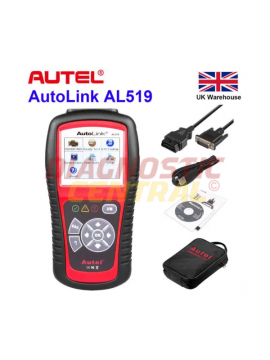
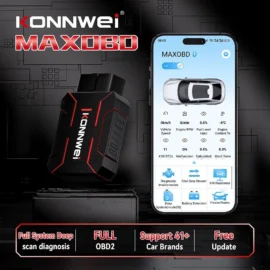
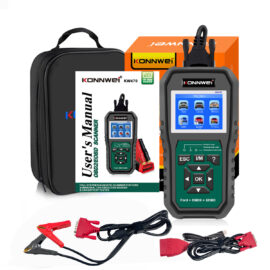
A decent OBD2 diagnostic tool closes that gap quickly. It lets you read fault codes, clear codes after repair, and on many vehicles access live parameters that show what the system is seeing in real time. For garages, that saves labour and improves first-time fix rates. For competent DIY users, it cuts out much of the uncertainty between a warning light and a repair decision.
It also helps separate historical faults from active ones. A battery that went low during winter may log multiple communication errors that look dramatic but are no longer current. On the other hand, repeated return faults after clearing tell you the issue is still present and needs proper root-cause diagnosis.
Dashboard warning lights guide for what to do next
When a light appears, start with the basics. Note the colour, whether the light is steady or flashing, and whether the vehicle behaviour has changed. Poor starting, limp mode, smoke, overheating, harsh shifting, unusual noises, or weak braking all raise the urgency.
If it is safe, check simple mechanical items next. Confirm oil level, coolant level, visible leaks, tyre condition, and battery terminal security. That does not replace diagnostics, but it can stop you missing an obvious fault.
Then scan the vehicle. Read the codes before clearing anything, and if the tool allows, record freeze-frame or live data. That gives context. A low-voltage event, overboost condition, sensor circuit fault, or misfire count points you in a very different direction than the warning symbol alone.
For professional users, the trade-off is usually time versus depth. A quick global scan gets you moving fast, but intermittent faults, network issues, and manufacturer-specific systems often need a better tool and more detailed testing. For private owners, the trade-off is usually cost versus coverage. A basic scanner is far better than no scanner, but some systems such as ABS, SRS, service resets, and DPF functions need more capable equipment.
That is where buying from a specialist matters. Diagnostic Central focuses on tools that are built for real fault-finding rather than gimmicks, which is exactly what you need when a simple warning light turns into a proper diagnostic job.
When you can drive, and when you should not
There is no universal answer, because it depends on the light, the symptom, and the vehicle. A service reminder or low washer-fluid symbol is not a reason to stop the car. A red oil pressure light or overheating warning absolutely is. A steady amber engine light with no performance issue may allow a cautious trip home or to the workshop. A flashing engine light with misfire symptoms should not be treated the same way.
If the vehicle has entered limp mode, that is already a clue that the control unit is protecting the engine or transmission. You may still be able to move it, but that does not mean normal driving is wise. Reduced power is often the system telling you not to push it.
The safest habit is not panic, and not denial either. Read the sign, check the basics, scan the system, and make the next decision from evidence. Warning lights are there to shorten the distance between a fault appearing and a fault being diagnosed. Used properly, they save engines, save time, and save money. Ignore them, and they usually get the last word.