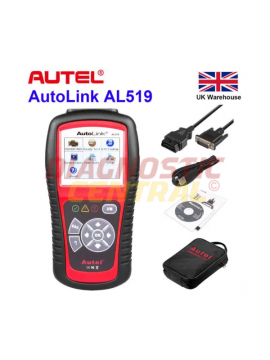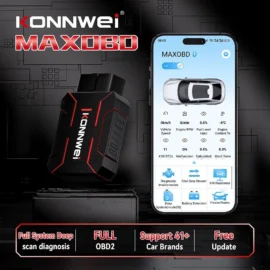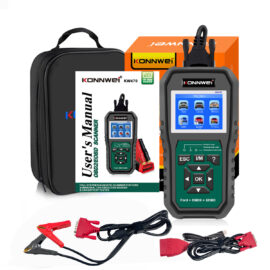
Most people start looking for a vehicle diagnostic kit for beginners after the same moment – a warning light appears, the car feels different, and guesswork starts getting expensive. At that point, the right kit is not about owning the most advanced tool on the market. It is about getting clear answers quickly, without buying something overcomplicated, underpowered, or unreliable.
For a beginner, the gap between a cheap code reader and a genuinely useful diagnostic kit is wider than many buyers expect. Plenty of tools promise full-system coverage, broad compatibility, and professional results, then fall short when you actually plug them into a vehicle. That matters whether you are a DIY owner trying to understand an engine management light or a small garage adding a first entry-level scanner to the bench.
What a vehicle diagnostic kit for beginners should actually do
A beginner kit should handle the jobs you are most likely to face first. That usually means reading and clearing fault codes, showing live data, checking why a dashboard light is on, and confirming whether a repair has solved the problem. If it can also access common service functions such as oil reset or battery registration on supported vehicles, that is useful, but it should not come at the cost of usability.
The key point is this: beginners need clarity more than complexity. A tool with dozens of advanced functions is no advantage if the menus are vague, the software is poorly translated, or the coverage claims are unrealistic. Good entry-level diagnostics should make fault-finding faster, not create a second problem.
That is why the best starter kits usually sit in the middle ground. They go beyond a basic plug-in code reader, but they stop short of full workshop platforms aimed at daily professional use across large vehicle ranges.
The features worth paying for first
When choosing a vehicle diagnostic kit for beginners, start with compatibility. There is no point buying on price alone if the tool does not communicate properly with your vehicle make, model, and year. This is especially important for UK buyers with mixed households, small fleets, or garages seeing different brands each week. Coverage can vary sharply between petrol, diesel, hybrid, and light commercial vehicles.
The next feature to prioritise is full OBD2 capability with live data. Reading fault codes is useful, but live data is what helps you move from symptom to likely cause. Misfire counts, coolant temperature, fuel trims, sensor voltages, and battery readings can tell you far more than a stored code on its own.
Ease of navigation matters just as much. A beginner benefits from a clear screen, sensible menu layout, and plain fault descriptions. Some tools rely too heavily on code numbers without proper context. Others simplify things enough that a less experienced user can make a sensible first assessment without pretending to be a master technician overnight.
Build quality is another area where paying a little more usually makes sense. Diagnostic tools get used in garages, on drives, and in poor weather. A flimsy connector, weak cable, or slow processor quickly becomes frustrating. Reliable hardware saves time and avoids false starts.
Basic code reader or full starter kit?
This is where buying decisions often go wrong. A very basic code reader can be enough if your only aim is to read engine fault codes and switch off a light after a confirmed repair. It is low-cost and simple. For some owners, that is enough.
But if you want to understand vehicle behaviour properly, a starter diagnostic kit is usually the better long-term buy. It gives you wider system access, better fault descriptions, and more useful data for tracing problems rather than simply reacting to warning lamps. That difference matters more on newer vehicles, where faults can involve multiple control units and indirect symptoms.
There is a trade-off, though. A fuller kit costs more and may include functions you will not use immediately. The right choice depends on whether you want a tool for occasional checks or something you can grow into. For most beginners with genuine interest in maintenance, spending a bit more upfront avoids replacing an entry-level tool too quickly.
What beginners often get wrong
The first mistake is buying the cheapest tool with the longest feature list. In diagnostics, exaggerated claims are common. A scanner might advertise support for every make under the sun, but real-world communication can be patchy, especially on manufacturer-specific systems.
The second mistake is assuming code clearing equals repair. Fault codes point you in a direction. They do not always identify the failed part. A lambda sensor code, for example, can be caused by wiring issues, exhaust leaks, fuelling problems, or the sensor itself. A decent kit helps you investigate further. A poor one encourages part-swapping.
The third mistake is ignoring updates and support. Vehicles change, software changes, and compatibility lists matter. If a tool has no meaningful backup, poor update provision, or vague product information, you are taking a risk. That is one reason specialist suppliers tend to offer better value than anonymous marketplace listings. You are not just buying a box – you are buying confidence in what it will actually do.
The practical difference between petrol, diesel, and commercial use
Not every beginner buyer is the same. A private owner with one petrol hatchback has different needs from a mobile mechanic seeing diesels all week, and both differ again from someone working on vans or light commercial vehicles.
For petrol cars, live data and emissions-related code reading are often enough to cover the first stage of diagnosis. Diesel vehicles can demand more, particularly where EGR, DPF, injector balance, and glow system faults are involved. In those cases, broader system access becomes more valuable.
If you deal with vans or mixed-use vehicles, it is worth checking whether the kit supports commercial applications properly rather than as an afterthought. Some entry-level units are marketed as multi-vehicle tools but are clearly stronger on passenger cars than on heavier platforms. That does not make them poor tools, but it does mean the right kit depends on what is actually parked outside.
Why ease of use still matters in a workshop
There is sometimes a habit in the trade of treating simple tools as somehow less serious. That misses the point. A tool can be easy to use and still be accurate, fast, and worth having on the bench. In fact, for many smaller garages and mobile technicians, straightforward operation is a strength.
A beginner-friendly diagnostic kit should reduce wasted time. Fast boot-up, stable communication, sensible menus, and clear readings all help when you are under pressure. If a scanner takes too long to connect or buries common functions under layers of poor software design, it becomes a liability.
This is also where screen size, button layout, and update process make a bigger difference than many buyers expect. The practical details decide whether a tool gets used regularly or left in a drawer.
How to choose the right starter setup
Start with the vehicle coverage you genuinely need, not the widest claim on the packaging. Think about whether you want to work on one car, several family vehicles, or customer cars across multiple makes. Then decide how far beyond basic code reading you need to go.
If you are learning, choose a kit that gives you room to progress. Live data, service functions, and system-wide scans are all worthwhile if the interface remains clear. If you are buying for a small garage or mobile operation, reliability and speed should sit near the top of the list because downtime costs more than the difference in purchase price.
It is also sensible to buy from a specialist that understands diagnostics rather than a generic seller shifting boxes. Product knowledge matters. So does realistic advice on what a tool can and cannot do. That is where firms such as Diagnostic Central stand apart from general retailers – the focus stays on workable diagnostic solutions, not inflated promises.
A good beginner kit should teach you something
The best entry-level diagnostic tools do more than read faults. They help you understand how the vehicle is behaving. Over time, that changes how you approach maintenance and repair. You stop relying purely on warning lights and start noticing trends in sensor readings, battery condition, and system performance before problems become bigger jobs.
That is the real value in a well-chosen starter kit. It gives beginners a proper starting point, but it also remains useful once confidence grows. Buy for accuracy, clear operation, and realistic compatibility first. The smart purchase is not the loudest one – it is the one that helps you diagnose with less guesswork the moment the next fault appears.