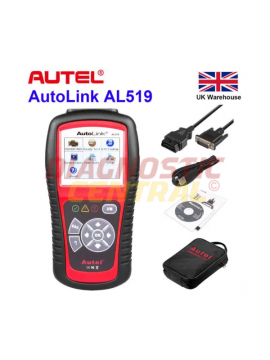
A warning light comes on five minutes before an MOT, a customer is waiting, and guessing is not an option. That is exactly why the best car fault code readers earn their keep. A decent reader tells you what the vehicle is complaining about, where to start, and whether the fault is urgent or simply logged history. A poor one gives you a vague code, misses manufacturer systems, or refuses to talk to the car at all.
For UK garages, mobile technicians and serious DIY owners, choosing the right unit is less about hype and more about fit. The best tool for a two-car household is rarely the best tool for a busy workshop. Price matters, but coverage, speed, update support and real diagnostic depth matter more.
What makes the best car fault code readers worth buying?
At the basic end, a fault code reader reads and clears engine-related OBD2 codes. That is useful, but limited. Modern vehicles spread faults across multiple systems, including ABS, airbags, transmission, steering, battery management and service functions. If your reader only covers generic emissions codes, you are seeing one part of the picture.
The best car fault code readers save time because they narrow the problem properly. A stronger unit will identify stored, pending and permanent faults, show live data, display freeze frame information and confirm whether a repair has actually solved the issue. On newer vehicles, that difference is the line between a quick diagnosis and wasted labour.
There is also a practical point many buyers miss. A cheap scanner that fails on half the vehicles you see is not a bargain. It is downtime. In a workshop, reliability and compatibility pay for themselves quickly.
The 9 best car fault code readers by user type
1. Basic handheld OBD2 readers
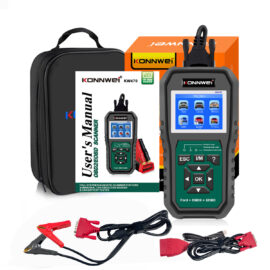
These are the entry point and still useful if your needs are simple. They plug in, read generic engine fault codes and let you clear them after repair. For competent DIY users who want to check an engine management light before booking into a garage, they are often enough.
The trade-off is depth. They usually do not reach brand-specific systems, advanced service functions or coded modules. If you work on multiple faults each week, you will outgrow one quickly.
2. Bluetooth code readers with app support
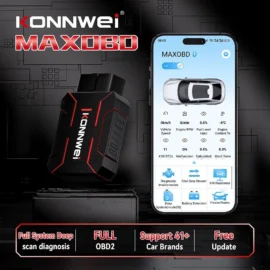
Bluetooth dongles paired with a phone or tablet have become popular because they are compact and inexpensive. A good one can show live data, fault descriptions and readiness status in a very accessible format. For owners who want more than code numbers, app-based tools can be a sensible middle ground.
That said, quality varies sharply. Some are stable and accurate. Others drop connection, support only a narrow range of vehicles or rely too heavily on the app to fill the gaps. They suit light use better than full-time workshop pressure.
3. Mid-range multi-system scanners
This is where most independent garages and serious enthusiasts should start. A proper mid-range scanner goes beyond the engine ECU and covers systems such as ABS, SRS, transmission and service resets. It gives enough diagnostic depth to deal with the faults that actually turn up in day-to-day repair work.
For many buyers, this category offers the best balance of price and capability. You are not paying dealer-tool money, but you are getting practical functions that reduce guesswork and speed up repairs.
4. Brand-specific diagnostic tools
If you mainly work on one make or group, a brand-specific tool can be a very sharp investment. These tend to offer deeper access to modules, more accurate service routines and better support for coding or special functions on the vehicles they are built for.
The obvious downside is flexibility. They are excellent in a focused environment and far less useful if your workshop sees everything from Ford to Vauxhall to BMW in the same week.
5. Tablet-style professional scanners
For busy workshops, tablet-based scanners are often the sweet spot. They are quicker to navigate, easier to read and generally stronger on module access, live data graphing and service functions. Many also support guided tests, maintenance resets and coding features depending on the model.
If you diagnose daily, speed of use matters. A large screen, clear menus and solid update support can shave real time off every job.
6. Diagnostic kits with adapter support
Some buyers need more than a reader and a standard cable. Diagnostic kits with adapter leads and extra modules are a better fit when you work across older vehicles, specialist systems or mixed fleets. This is especially relevant where standard OBD2 access does not cover the full job.
These setups cost more, but they can open up vehicle coverage that basic retail scanners simply do not touch.
7. Heavy-duty and commercial vehicle readers
A car code reader is not always the right answer for vans, lorries or mixed commercial fleets. If you maintain heavier vehicles, you need a tool built for those protocols and applications. Trying to make a passenger-car scanner do commercial work usually ends in frustration.
This is where specialist diagnostic suppliers stand apart from generic sellers. Coverage claims need to be checked carefully, because not every scanner that says multi-vehicle really means commercial-ready.
8. Service reset and maintenance tools
Some code readers are bought mainly for routine work rather than deep fault-finding. Oil service resets, EPB functions, battery registration and DPF-related procedures are common examples. If your workshop handles regular maintenance, these functions can be just as valuable as code reading itself.
The key is not to confuse service functions with full diagnostics. Some tools are strong on resets but weaker on real system interrogation.
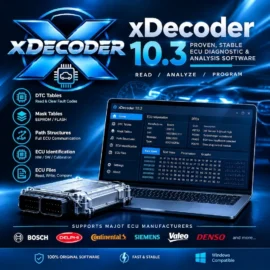
9. Advanced diagnostic platforms for coding and specialist work
At the top end are platforms suited to coding, module setup, specialist resets and deeper electronic work. These are not casual purchases. They are aimed at garages and technicians who know exactly what functions they need and have the workload to justify them.
For the right user, they are essential. For everyone else, they can be expensive overkill. More functions only help if you genuinely use them.
How to choose the best car fault code readers for your work
Start with the vehicles, not the price tag. If you mostly handle one or two makes, a make-focused tool may outperform a general scanner. If you see mixed bookings every day, broad compatibility becomes more important than brand depth.
Next, think about the systems you actually need. Reading and clearing engine codes is basic. Many faults that affect drivability, safety and warning lights sit elsewhere. ABS, airbag and battery management coverage is increasingly important, especially on newer vehicles with more integrated electronics.
Update support matters as well. Cars change quickly. A scanner without proper updates ages fast, and outdated software can leave you with patchy coverage or missing functions. This is one reason buying from a specialist supplier makes sense. You want clear support, proper product knowledge and realistic compatibility guidance rather than marketplace guesswork.
Ease of use should not be dismissed either. In a workshop, a tool must earn speed. Menus should be sensible, code definitions clear and live data readable. The faster you can move from warning light to likely fault area, the better your margin on the job.
Common mistakes buyers make
The first mistake is buying on headline price alone. Cheap readers often look fine until they meet a manufacturer-specific fault, an awkward module, or a vehicle just outside the supported range. Then the bargain disappears.
The second is assuming all OBD2 readers do the same job. They do not. Some are little more than code look-up devices. Others are true diagnostic tools. The label on the box will not tell you the whole story.
The third is choosing too much tool for too little need. A top-level system packed with advanced coding and specialist functions sounds impressive, but if you only want to monitor a family car and clear the occasional engine fault, a mid-range unit is usually the smarter buy.
Which type is right for you?
If you are a DIY owner who wants reliable answers before paying for workshop time, a quality handheld or Bluetooth reader is often enough, provided you understand its limits. If you maintain several cars or like doing your own servicing, stepping up to a mid-range multi-system scanner is usually money well spent.
If you are an independent mechanic or mobile technician, depth and speed should drive the choice. Multi-system coverage, service functions and dependable software support matter more than gimmicks. For garages handling broader electrical work, a tablet-based professional scanner or specialist platform is usually the stronger long-term option.
And if you work on vans, fleets or commercial vehicles, buy for that job from the start. Passenger car tools rarely stretch as far as the sales copy suggests.
At Diagnostic Central, that is the difference we focus on – practical tools for real diagnostic work, not novelty scanners that look busy and do very little.
A good fault code reader does not replace technical judgement, but it gives you a faster, cleaner starting point. Choose one that matches the vehicles you see, the systems you need to access and the level of work you actually do. The right tool pays for itself every time it saves you from chasing the wrong fault.