A car that idles unevenly, hesitates under load or flashes the engine management light is not giving you much time to guess. If you want to know how to diagnose car misfire faults properly, the quickest route is a structured process that separates ignition, fuelling, air and mechanical causes before parts get changed for no reason.
Misfires are common, but they are not all the same. One vehicle may have a single-cylinder coil failure that shows itself clearly at idle. Another may only misfire under boost because of a weak plug gap, low fuel pressure or a leaking intake. On modern vehicles, especially direct-injection petrol and electronically controlled diesels, you need more than a quick glance under the bonnet. You need evidence.
How to diagnose car misfire without wasting time
The first job is to confirm what kind of misfire you are dealing with. Is it constant, intermittent, hot only, cold only, under load, or present at idle? That pattern matters because it narrows the list quickly.
A steady idle misfire often points towards ignition faults, injector imbalance, air leaks on one cylinder or compression loss. A misfire that appears only on acceleration can suggest coil breakdown under load, plug issues, fuelling weakness or boost-related air leaks. A cold-start misfire may relate to coolant ingress, injector dribble or poor atomisation. If it clears once warm, do not assume the problem has gone away. It has simply changed conditions.
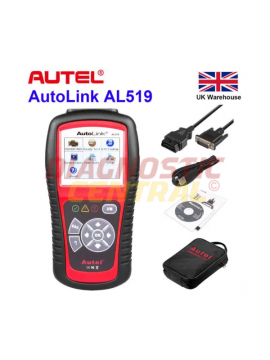
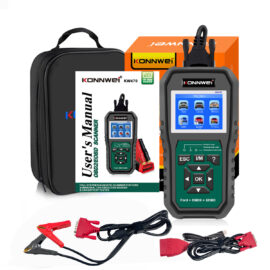
Before touching components, scan the vehicle properly. Generic code readers are useful, but a capable diagnostic tool with live data, freeze-frame information and misfire counters gives you a much stronger starting point. On many vehicles, the fault code alone is only half the story.
Start with fault codes and freeze-frame data
If the ECU has logged P0300, you have a random or multiple-cylinder misfire. If it has logged P0301 to P0308, the control unit is identifying a specific cylinder. That sounds simple, but code interpretation still needs care.
A cylinder-specific misfire code does not always mean the fault sits in that cylinder alone. An intake leak near one runner can lean out one cylinder. A wiring issue can interrupt one injector. A low-compression cylinder can trigger repeated misfire counts while the rest of the engine appears normal.
Freeze-frame data helps you see the conditions when the fault was stored. Look at engine load, coolant temperature, RPM, fuel trims and throttle position. If the fault stored at idle with high positive fuel trim, think air leak or fuelling imbalance. If it stored under high load, think ignition breakdown, restricted fuel delivery or mechanical weakness.
Use live data to avoid blind parts swapping
Live data is where proper diagnosis starts paying for itself. Short-term and long-term fuel trims show whether the engine is adding or removing fuel. Misfire counters can reveal whether the fault is concentrated on one cylinder or spread across a bank. Oxygen sensor behaviour can confirm whether the engine is truly running lean or rich, rather than just setting a secondary code.
If one bank is running lean and the misfire is bank-specific, look hard at intake leaks, injector delivery and bank-related sensor faults. If fuel trims are normal but one cylinder is dropping out, move your attention to coil, plug, injector control and compression.
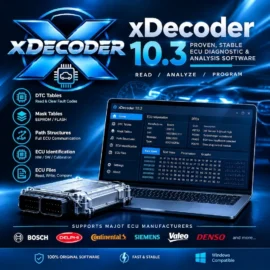
For workshops and serious DIY users, this is where decent equipment earns its keep. A tool that can access manufacturer-specific data, not just generic emissions codes, saves time and usually saves the customer money as well.
Check the ignition side first
On petrol engines, ignition faults remain one of the most common causes of misfire. Spark plugs, coil packs, coil-on-plug units and the related wiring all need attention.
Start with the basics. Remove and inspect the spark plug from the affected cylinder. Check the gap, electrode wear, oil contamination, carbon tracking and signs of overheating. A plug can look only slightly tired and still break down badly under load. If the service history is unknown, age alone is enough reason to be suspicious.
Then check the coil. If the engine uses individual coils, swap the suspect coil with another cylinder and see whether the misfire follows. Do the same with the spark plug if needed. This is one of the fastest practical tests available, provided access is reasonable and you are not dealing with a known wiring issue.
Do not ignore the harness. Damaged insulation, poor earths, moisture ingress and connector spread can all produce intermittent ignition faults. If the coil and plug test good but the cylinder still misfires, verify power, ground and control signals before ordering more parts.
When ignition looks fine but the misfire stays
This is where many people start fitting parts in circles. The plug is new, the coil is new, the code remains, and frustration takes over. At that stage, assume nothing.
If ignition components have been ruled out properly, move to fuel and mechanical checks. A clean scan result after clearing codes does not prove a fix if the fault only appears under specific driving conditions. Road test it under the same load, RPM and temperature where the issue first showed itself.
Check fuelling and air delivery
A lean cylinder will misfire even with a healthy spark. That can happen because the injector is not delivering enough fuel, because unmetered air is entering the engine, or because total fuel pressure is too low under demand.
Listen to the injector, but do not stop there. Injector clicking only tells you it is moving. It does not confirm spray pattern, volume or consistency. If the misfire is cylinder-specific, swap the injector where practical or carry out a balance test. On direct-injection engines, carbon deposits and injector issues can overlap, so the diagnosis needs to stay disciplined.
Vacuum leaks are another regular culprit. Split breather hoses, failed inlet manifold gaskets and cracked intake pipes can all upset mixture control. Smoke testing is often the quickest way to find leaks that visual inspection misses.
If the misfire happens under load across multiple cylinders, check fuel pressure and delivery volume. A weak pump, blocked filter or faulty pressure regulation can make the engine run acceptably at idle and fail when demand rises.
Do not overlook mechanical condition
If spark and fuel both check out, mechanical testing moves to the front of the queue. Compression loss, valve sealing issues, cam timing errors and head gasket faults all create misfires that no ignition part will cure.
A compression test is useful, but a leak-down test is better when you need to know where the pressure is going. Low compression on one cylinder may point to burnt valves, worn rings or piston damage. Low compression on adjacent cylinders raises suspicion of a head gasket problem. If the engine has variable valve timing, compare commanded and actual cam values as well. A timing-related issue can mimic ignition or fuelling faults, especially on engines with stretched chains or sticking actuators.
Coolant loss with a cold-start misfire deserves immediate attention. If coolant is entering a cylinder overnight, the engine may misfire briefly on start-up before smoothing out. Left unchecked, that fault can turn expensive quickly.
How to diagnose car misfire on modern engines
Modern engines add a few complications. Turbocharged petrol units can misfire because of boost leaks, charge air issues or plug gap sensitivity. Direct-injection engines can suffer from intake valve carbon build-up that affects airflow and cylinder filling. Some vehicles are also more sensitive to battery voltage and charging health than people realise.
That matters because weak system voltage can distort sensor readings, injector performance and ignition operation. If the fault pattern is strange or multiple unrelated codes are present, test battery and charging condition early rather than late.
Diesel engines are a little different because what drivers describe as a misfire may be injector imbalance, poor combustion, air in the fuel system, glow plug faults on cold starts, or compression problems. The approach is still the same – confirm the symptom, read the data, then test the likely system instead of guessing.
Common mistakes that slow the job down
The biggest mistake is replacing parts based only on the fault code. A P0302 code does not automatically mean cylinder 2 needs a coil. Another common error is testing only at idle when the complaint happens on the road.
It also pays to be careful with recently serviced vehicles. Incorrectly fitted plugs, damaged coil connectors, disturbed vacuum hoses and poor-quality aftermarket parts regularly create fresh misfires. The timeline matters. If the problem started just after a repair, inspect the repair first.
For anyone handling this work regularly, proper diagnostic equipment is not a luxury. It is the difference between proving a fault and gambling on one. That is exactly why specialists such as Diagnostic Central focus on tools that deliver usable fault information, not just generic code numbers.
A misfire is the engine telling you combustion has broken down somewhere in the chain. Treat it methodically, and the fault usually becomes clear far faster than most people expect. The right answer is rarely the first part in the catalogue – it is the first test that gives you proof.