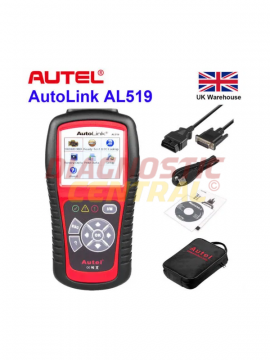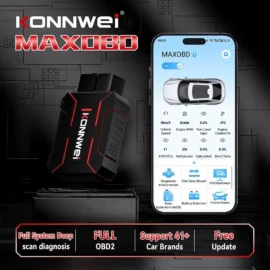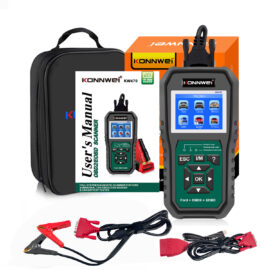
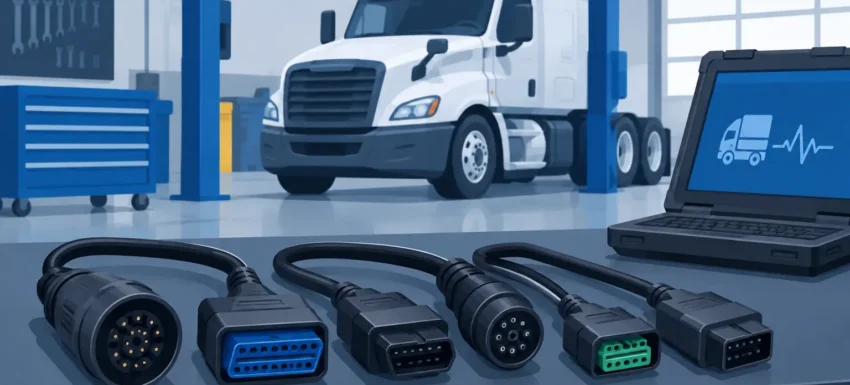
A commercial vehicle scan tool is only as useful as the cable connecting it to the vehicle. The top lorry diagnostic cable adapters give a diagnostic machine access to the correct network, power supply and manufacturer-specific socket – without improvised leads, loose terminals or wasted time chasing a connection fault. For a busy garage, mobile technician or fleet workshop, selecting the right adapter is a practical decision that affects every job on the ramp.
A lorry may have a standard-looking diagnostic socket, a legacy manufacturer connector, or a separate trailer and EBS connection. That is why a universal scanner alone does not guarantee coverage. The adapter must match the vehicle, the diagnostic platform and the job in hand.
Why lorry diagnostic adapters matter
Modern HGVs rely on multiple electronic control units. Engine management, ABS, EBS, transmission, body control, tachograph-related systems and emissions equipment can all store faults independently. To read live data, retrieve codes or carry out supported service functions, the diagnostic tool must communicate through the right pins and protocol.
A poor-quality cable can create intermittent communication, voltage drop or misleading fault reports. That can look like an ECU problem when the issue is simply a damaged pin, a weak connection or a cable wired incorrectly. It is false economy to put a professional diagnostic platform behind an unproven adapter.
The right cable also reduces setup time. Instead of trying to make one lead fit every application, a technician can select the correct dedicated adapter, connect securely and get on with diagnosis. This matters on roadside call-outs and in workshops where a vehicle bay cannot be occupied by a basic connection problem.
Top lorry diagnostic cable adapters to keep in a working kit
The best selection depends on the makes and ages of vehicles you see most often. A mixed commercial workshop should prioritise coverage of common European lorry connectors alongside modern 6-pin and 9-pin diagnostic standards.
6-pin and 9-pin Deutsch adapters
Deutsch connectors are common across heavy-duty vehicles and are central to many J1939 diagnostic applications. A 9-pin lead is particularly relevant for newer commercial vehicles, while 6-pin connectors remain necessary for older fleets. Both are worth carrying where the workshop handles vehicles of varied ages.
Do not treat 6-pin and 9-pin plugs as interchangeable simply because they look related. Pin assignments, vehicle generation and tool support still matter. Confirm the required connection before ordering or connecting a scanner.
16-pin OBD adapters for newer commercial vehicles
Many newer vans, light commercial vehicles and some later HGV applications use the familiar 16-pin OBD-style socket. This does not automatically mean every standard passenger-car scanner will provide meaningful commercial coverage. The physical plug may fit, but the scanner needs suitable software for the vehicle and its control modules.
A properly made 16-pin commercial adapter is useful where your main diagnostic interface uses a different connection format. Look for positive retention, strain relief and clearly marked ends. These details prevent bent pins and accidental disconnection during live-data checks.
Manufacturer-specific lorry adapters
Older and specialist vehicles frequently require dedicated leads. Common examples include round or multi-pin adapters for Mercedes-Benz commercial vehicles, MAN, Volvo, Renault, Scania, DAF and Iveco applications. The exact connector varies by model range and production year, so the vehicle registration alone is not always enough to identify the correct cable.
These leads are particularly valuable for independent garages servicing established local fleets. One customer may run a mixture of older Euro 5 vehicles and newer Euro 6 units, with different sockets across the fleet. A dedicated adapter set allows you to work efficiently without turning each booking into a compatibility check.
Trailer and EBS diagnostic adapters
Trailer diagnostics are often overlooked until an EBS warning prevents a vehicle from operating properly. A suitable trailer adapter allows access to compatible trailer braking and electronic systems where the diagnostic tool supports them. This can speed up checks for supply faults, sensor issues, modulator errors and stored EBS codes.
Trailer connections deserve the same attention as vehicle-side cables. They work in exposed conditions and are more likely to encounter water, road dirt and physical strain. Choose a lead with secure moulded connectors and inspect it regularly for damaged seals or corroded contacts.
What to check before buying an adapter
Compatibility comes before connector shape. A cable may physically connect to the socket but still be unsuitable for your diagnostic interface, software version or intended vehicle system. Check the tool manufacturer’s supported vehicle list, then identify the exact vehicle make, model, year and connector type.
Before adding a lead to your kit, assess four points:
- The vehicle-side connector and number of pins, including whether the vehicle is a legacy or current-generation model.
- The diagnostic tool-side connection, as interfaces can use different proprietary plugs even when they support the same vehicle.
- The systems you need to access, such as engine, ABS, EBS, transmission or body electronics.
- The build quality required for workshop use, especially if the cable will be used daily or carried on mobile work.
It also pays to separate an adapter cable from a diagnostic solution. An adapter does not add vehicle coverage by itself. If the scanner lacks the correct commercial software or communication protocol, changing the lead will not create access to the ECU. This is one of the most common causes of disappointing results with low-cost universal kits.
Build quality is not a minor detail
Commercial diagnostic leads are handled harder than car OBD cables. They are pulled around vehicle steps, used in poor weather and connected in awkward positions beneath dashboards or behind service panels. The weak points are usually the connector moulding, cable entry, pin retention and the wire inside the outer sheath.
A good adapter should feel secure when fitted, without needing force. Pins should be straight, evenly seated and protected from movement. The cable needs enough flexibility to route safely, but it should not be so thin that repeated bending breaks the conductors internally.
Avoid relying on adapters with vague labelling or no clear indication of their application. When several leads are in regular use, clearly marked connector ends save time and prevent accidental use of the wrong cable. Keeping leads in a labelled case is equally worthwhile, particularly for mobile technicians who cannot afford to arrive at a job missing one essential adapter.
Prevent connection faults before they cost time
When a tool will not communicate, do not assume the vehicle has a failed control unit. Start with the basics. Inspect the socket for spread, pushed-back or corroded terminals. Check that the ignition state is correct for the tool and vehicle. On commercial vehicles, battery condition and supply voltage can also affect module communication.
Then inspect the adapter itself. Look for cuts in the sheath, loose housings and signs that the lead has been trapped in a door or service hatch. If communication drops when the cable moves, replace it rather than trusting it on the next job. An intermittent lead can send a technician in the wrong direction and consume far more time than the cable is worth.
For workshops using a multi-brand scan tool, keep a known-good primary cable and adapter set for comparison. A quick test with a proven lead can separate a vehicle-side fault from an accessory problem immediately.
Build the adapter kit around the work you actually take on
There is no benefit in buying every available commercial adapter if your workshop mainly services late-model light commercials. Equally, a generic OBD lead is not enough for a garage maintaining older HGV fleets or trailer equipment. Start with the vehicles already coming through the door, then add coverage when the work justifies it.
Diagnostic Central supplies specialist accessories for workshops that need dependable diagnostic connections rather than marketplace guesswork. Select adapters as part of a complete setup: compatible interface, supported software and the correct vehicle lead. With the right cable ready before the vehicle reaches the bay, fault-finding starts where it should – at the data, not at the connector.