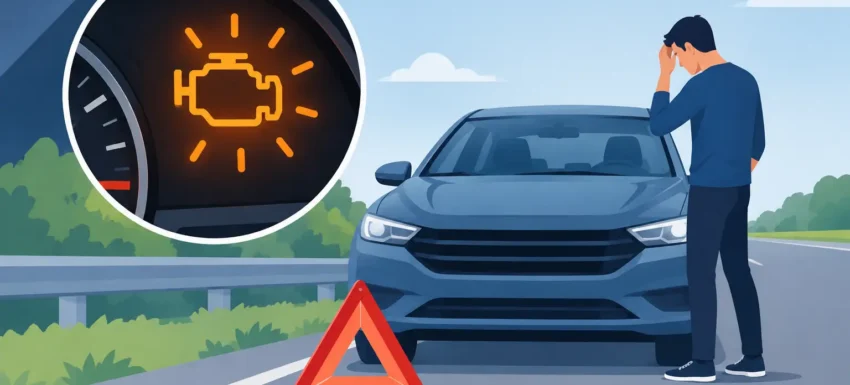
A steady engine management light can often wait for a booked diagnostic check. A flashing one is different. If you are asking, why is engine light flashing, the most likely answer is that the ECU has detected an active misfire serious enough to risk damaging the catalytic converter. Reduce load immediately, avoid hard acceleration and, in many cases, stop driving.
This warning is not a prompt to keep going until the weekend. It is the vehicle telling you that unburnt fuel may be entering the exhaust system. Get the fault identified properly before a relatively straightforward ignition, fuelling or air issue becomes an expensive exhaust repair.
Why is the engine light flashing rather than staying on?
The engine management light, also called the malfunction indicator lamp or MIL, is controlled by the engine ECU. A steady light generally records a fault that affects emissions or engine operation but is not necessarily causing immediate catalyst damage. A flashing light usually means the fault is happening now and is severe.
On petrol engines, the classic cause is a cylinder misfire. One or more cylinders are not burning the air-fuel mixture correctly, so fuel passes into the exhaust. The catalytic converter is designed to treat exhaust gases, not burn raw fuel. That fuel can overheat the converter core, melt its internal structure and create a restriction in the exhaust.
The difference matters. Continuing to drive a vehicle with a flashing MIL can turn a coil pack, spark plug or injector diagnosis into a bill for a catalytic converter, lambda sensor and further investigation.
What a misfire feels like on the road
A flashing warning light is often accompanied by an obvious change in how the vehicle drives. The engine may shake at idle, hesitate when accelerating, lose power or sound uneven. You may notice a fuel smell from the exhaust, a rough cold start or increased vibration through the steering wheel and cabin.
Some faults are intermittent. The light may flash under acceleration, when towing, climbing a hill or carrying a full load, then stop flashing when you ease off. Do not assume the issue has disappeared. The ECU may only detect the misfire when cylinder pressure and ignition demand rise.
Modern vehicles can sometimes limit power or disable fuelling to the affected cylinder to protect components. That reduced-performance mode is a protection strategy, not a repair. A lorry, van or passenger car that enters limp mode still needs accurate fault finding.
The most common reasons for a flashing engine warning light
Ignition faults
On petrol vehicles, worn spark plugs and failing ignition coils are frequent causes. A coil can break down only under load, which is why a vehicle may idle acceptably but misfire badly when accelerating. Incorrect plug gaps, damaged coil boots, moisture in plug wells and poor wiring connections can produce the same result.
Do not replace plugs and coils on guesswork alone, especially on engines with known wiring, injector or mechanical issues. Read the stored codes and freeze-frame data first. A code such as P0301 points to a misfire detected on cylinder one, while P0300 indicates random or multiple-cylinder misfires. Those codes direct the next test; they do not automatically prove which part has failed.
Fuel delivery problems
A blocked or weak injector, poor injector wiring, low fuel pressure or contaminated fuel can leave a cylinder too lean to burn consistently. A single-cylinder injector fault may look very similar to a failed coil pack. On direct-injection petrol engines, injector and high-pressure fuel faults require particular care because system pressures can be hazardous.
Diesel vehicles do not use ignition coils and spark plugs in the same way, but they can still develop combustion faults and flash an engine warning light. Injector imbalance, air leaks, EGR faults, fuel-pressure issues and wiring faults can all cause rough running. The diagnostic route must suit the engine type rather than relying on a petrol-engine assumption.
Air leaks, EGR and sensor faults
A split intake hose, vacuum leak or sticking EGR valve can upset the air-fuel balance enough to create misfires, particularly at idle or low engine speed. Faulty airflow, manifold-pressure or crankshaft-position signals can also lead the ECU to calculate fuelling and ignition incorrectly.
Sensor codes need interpretation. A code for an oxygen sensor, for example, can be the result of a misfire rather than its source. Replacing the sensor first may spend money without curing the problem. Live data, fuel trims and the order in which codes were set help separate cause from consequence.
Mechanical engine problems
Low compression, a burnt valve, timing faults, a damaged piston or a failing head gasket can all produce a persistent cylinder misfire. These are less convenient outcomes, but they must not be ignored when ignition and fuel checks do not resolve the fault.
A mechanical issue is more likely where the misfire remains on the same cylinder after known-good coils and injectors have been swapped or tested. Compression and leak-down testing then become more valuable than fitting further electrical parts.
What to do when the engine light starts flashing
First, take your foot off the accelerator and avoid heavy load. If the engine is shaking, power is poor, the exhaust smells strongly of fuel or the flashing continues, find a safe place to pull over and switch off. Arrange recovery rather than attempting a long journey.
If the light flashed briefly and the engine now runs normally, it may be possible to drive gently to a safe location or workshop, but this depends on the vehicle’s behaviour. Avoid motorway speeds, towing and hard acceleration. A flashing MIL should never be treated as a routine warning that can be cleared and forgotten.
Before connecting diagnostic equipment, make a note of the conditions. Was the engine cold? Did the fault appear in rain, under load, after refuelling or at a particular speed? This information is useful because intermittent faults often leave a pattern that generic code reading alone cannot show.
Do not continue driving if other red warnings appear, if coolant temperature rises, if oil pressure is low, or if there is smoke, severe knocking or a strong burning smell. A flashing engine light is serious; combined warning signs make stopping non-negotiable.
How to diagnose the fault properly
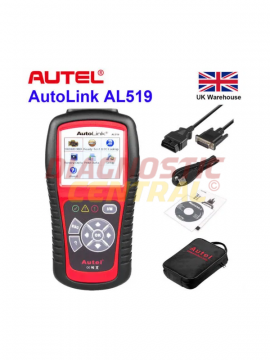
A capable OBD2 scanner is the starting point, not the finish line. Read all stored, pending and permanent codes before clearing anything. Record freeze-frame information, including engine speed, coolant temperature, vehicle load and fuel-trim values at the moment the ECU detected the fault.
For a cylinder-specific misfire, inspect the basics first: plug condition, coil connector security, oil or water contamination and obvious damage to hoses or wiring. On suitable petrol engines, swapping a coil from the affected cylinder to another cylinder can be a useful controlled test. If the misfire code follows the coil, the evidence is strong. If it stays put, move on to injector, air leak and compression checks.
Live data gives the diagnosis more depth. Misfire counters can show which cylinder is failing and whether it occurs only under load. Short- and long-term fuel trims can point towards an air leak or fuelling fault. Upstream lambda activity, airflow readings, fuel pressure and cam/crank synchronisation data can expose issues that a basic code description cannot.
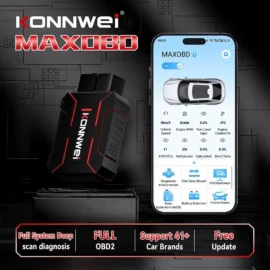
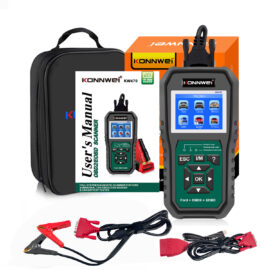
For workshop users, a scan tool with manufacturer-level data and active tests can save substantial time. Bidirectional controls may allow injector, pump, EGR or actuator checks where supported. For competent DIY users, an OBD2 reader that displays live data is far more useful than a device that only clears codes. Clearing the MIL without correcting the cause can erase valuable evidence and allows catalyst damage to continue.
Can a flashing engine light ever be harmless?
Rarely, the ECU may log a brief misfire during an unusual event such as a very poor cold start or a momentary electrical connection issue. Even then, it deserves investigation. Modern engine systems are highly sensitive, and a warning that flashes is designed to get your attention before component damage occurs.
The sensible trade-off is simple: a diagnostic check may reveal a minor service item, while ignoring the warning can create a far larger repair. Diagnostic Central supplies tools built for this exact job – moving from dashboard guesswork to fault codes, live readings and a repair decision based on evidence.
Treat a flashing engine light as a stop-and-check signal, not a challenge to see how far the vehicle will go. The earlier you capture the codes and test the fault under the conditions that caused it, the better the chance of protecting the engine, catalytic converter and your repair budget.