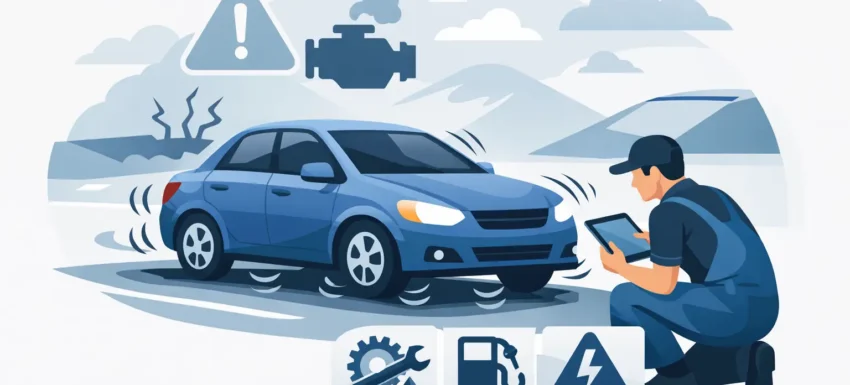
A car that suddenly starts shaking, vibrating or snatching under load gets your attention straight away. If you are asking, why is my car juddering, the honest answer is that it can point to anything from a minor tyre issue to a fault that needs urgent repair. The key is not to guess. Juddering usually happens for a reason you can narrow down by when it occurs – during braking, pulling away, accelerating, idling or at motorway speed.
That timing matters because a judder is not a fault in itself. It is a symptom. In workshop terms, it is one of the clearest signs that a rotating component, fuel delivery system, ignition system or drivetrain part is no longer working smoothly.
Why is my car juddering at certain times?
The first question to answer is when the judder happens. If the car judders only under braking, you are looking in a very different area than if it happens at idle or when accelerating uphill. That is what separates proper diagnosis from parts swapping.
A steering wheel shake at 60 mph often points towards wheel balance, tyre defects or suspension wear. A vibration through the pedal when braking leans more towards warped brake discs, uneven pad deposits or sticking calipers. A car that judders as you pull away may be dealing with clutch wear, contamination or engine misfire. If it feels hesitant and jerky under acceleration, ignition, fuel or air intake faults move much higher up the list.
Modern vehicles also complicate matters because not every judder is purely mechanical. Engine management faults, injector imbalance, EGR issues, DPF problems and transmission control faults can all create the same seat-of-the-pants symptom.
Brake judder is one of the most common causes
If the vibration appears mainly when you press the brake pedal, brakes are the first place to look. Drivers often describe this as a pulsing pedal, a shaky steering wheel or a front-end wobble that gets worse from higher speeds.
The usual suspect is brake disc runout or uneven disc thickness. People often call this a warped disc, and while that is sometimes true, pad material transfer can create a similar effect. If the disc surface is not even, the pads do not grip consistently, so braking force rises and falls as the wheel rotates.
Sticking calipers can make it worse. So can worn suspension bushes, because braking loads then move through the front end less cleanly. On some vehicles the issue is more noticeable after hard braking, towing or repeated stop-start use.
If the judder only appears during braking, do not keep driving and hope it settles down. Brake faults rarely improve on their own.
Tyres, wheels and alignment faults
A car that judders at speed but feels smoother at lower speeds often has a wheel or tyre problem. This is one of the most overlooked causes because a tyre can look serviceable and still be the issue.
Wheel balancing is the obvious one. If a wheel is out of balance, vibration usually builds as speed rises and may come through the steering wheel or the seat depending on whether the front or rear axle is affected. But balance is only part of it. A buckled wheel, uneven tyre wear, a damaged sidewall, internal tyre separation or incorrect pressures can all create juddering.
Alignment can also play a role, especially if the vehicle pulls to one side or the tyres are wearing oddly. While poor alignment does not always cause a classic judder by itself, it can make vibration and instability much more noticeable.
On vans and heavier vehicles, load makes these faults easier to feel. A lightly worn suspension joint may seem acceptable empty, then reveal itself under weight or motorway use.
Why is my car juddering when accelerating?
If the judder happens as you accelerate, the fault often sits with combustion or drivetrain delivery. This is where many drivers feel the car hesitate, kangaroo, or struggle under load.
A petrol engine may judder because of worn spark plugs, failing ignition coils or poor fuel delivery. Under load, the engine needs a strong spark and the correct fuel volume. If either drops away, misfire follows. On some cars the misfire will be obvious and bring on the engine management light. On others it is subtle at first and only appears in higher gears or on inclines.
On diesel vehicles, injector issues, air leaks, EGR faults and DPF restriction can create a similar sensation. If combustion is inconsistent across cylinders, the engine no longer pulls smoothly. You feel that as a shudder or surge.
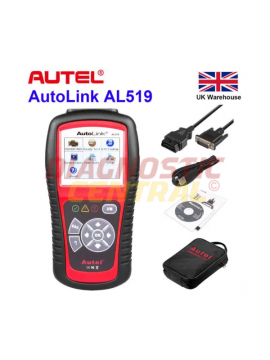
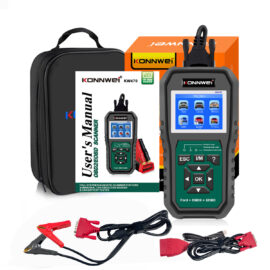
A proper diagnostic scan matters here. Fault codes, live data and misfire counts can save a lot of wasted time. This is exactly where a decent diagnostic tool earns its keep, whether you are in a workshop or trying to avoid blind guessing on your own vehicle.
Clutch and transmission problems
If the car judders while pulling away from a standstill, especially in first gear or reverse, clutch problems are high on the list. A worn clutch plate, heat damage, contamination from oil leaks or a tired dual mass flywheel can all cause grabbing and vibration.
This sort of judder often feels mechanical rather than engine-related. The vehicle may shake as the clutch bites, then smooth out once fully engaged. In manual cars, it can be worse when cold or on hills.
Automatic vehicles can suffer similar symptoms, but the causes differ. Gearbox faults, torque converter issues, transmission fluid problems or software-related shift irregularities can all feel like juddering. Some modern automatics and dual-clutch systems are especially sensitive to fluid condition and clutch calibration.
It depends on the severity. A slight shudder on pull-away may remain stable for a while. A worsening judder, delayed engagement or banging shift needs attention quickly.
Engine mounts and drivetrain wear
Not every judder comes from the engine itself. Sometimes the engine is running well, but its movement is no longer controlled properly.
Worn engine mounts or gearbox mounts allow excess movement under load. That can translate into vibration through the cabin when accelerating, changing gear or engaging drive. On higher-mileage vehicles, this is common and often missed because the symptoms overlap with misfire or clutch issues.
Driveshafts and CV joints can also produce judder, especially during acceleration or turning. If the vibration changes when cornering or becomes more noticeable under power than on overrun, drivetrain components deserve close inspection.
This is where experience matters. A road test can tell you a lot, but it needs backing up with a physical inspection. Too many vibrations get blamed on tyres when the real fault is play in a joint or mount.
Fuel, air and sensor faults
Modern engines rely on a clean balance of air, fuel and sensor feedback. If one part of that system falls outside range, drivability suffers.
A blocked fuel filter can starve the engine under load. A dirty mass airflow sensor can distort air readings. Vacuum leaks upset fuelling. Faulty injectors can cause rough running and intermittent juddering. On diesels, carbon buildup around the EGR valve or intake path can disrupt smooth combustion.
The reason these faults catch people out is that the symptoms are not always dramatic. The vehicle may still start fine and idle reasonably well, but under acceleration it feels uneven. That is why live data is often more useful than reading codes alone. A sensor can drift out of performance before it fails outright enough to log a hard fault.
For garages and capable DIY users alike, this is the point where proper diagnostics beat guesswork every time.
When should you stop driving?
Some juddering faults are inconvenient. Others are safety-critical. If the judder happens under braking, comes with knocking noises, worsens rapidly, or is paired with warning lights, loss of power or steering pull, get the vehicle checked before using it any further.
If the car only has a light vibration at one speed, the risk may be lower, but that does not mean ignore it. Tyre defects, failing suspension joints and brake faults tend to become more expensive the longer they are left. A simple imbalance is one thing. A tyre beginning to delaminate is another.
The practical approach is straightforward. Note when it happens, whether the steering wheel shakes, whether it changes with braking or throttle, and whether any warning lights appear. That information shortens the diagnostic process considerably.
The fastest way to pinpoint the cause
If you want to know why your car is juddering, start with symptoms, then confirm with inspection and scan data. That means checking tyre condition and pressures, looking for brake wear issues, inspecting mounts and suspension, and reading fault codes where engine or transmission behaviour points that way.
There is no single fix because juddering is a symptom with several possible origins. What matters is narrowing it down quickly and accurately. That is the difference between replacing what is faulty and replacing what happens to be nearby.
For drivers who maintain their own vehicles and for workshops handling multiple makes, reliable diagnostic equipment makes that process faster and more precise. Diagnostic Central serves exactly that need – helping you move from vague symptoms to actionable fault finding without the usual guesswork.
If your car is juddering, trust the pattern, not assumptions. The sooner you pin down when it happens and what system is involved, the sooner you get back to a car that feels right on the road.