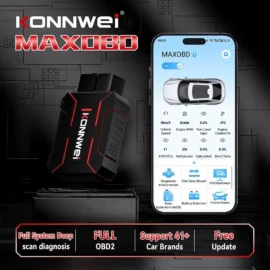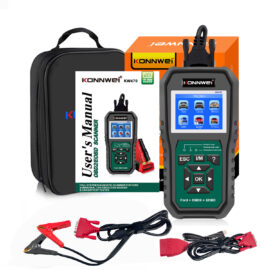

A cheap code reader looks fine until it misses a manufacturer-specific fault, refuses a service reset, or will not talk to the van sitting on your ramp. That is where a proper automotive diagnostics buyer guide earns its keep. The right tool saves labour time, cuts guesswork, and gives you fault data you can actually act on. The wrong one becomes another drawer item that looked good online and failed when the job mattered.
What this automotive diagnostics buyer guide is really about
Buying diagnostic equipment is not just about choosing the unit with the longest feature list. It is about matching tool capability to the vehicles you see, the jobs you take on, and the level of diagnostic depth you genuinely need. A home user checking an engine management light does not need the same platform as an independent garage handling service functions, DPF issues, battery registration, and intermittent electrical faults across multiple makes.
Modern vehicles are more electronic than ever. Even routine maintenance now touches control modules, sensor networks, and coded components. That means your buyer decision should start with practical workshop use, not marketing claims. If a tool is slow, poorly translated, or weak on coverage, the problem shows up very quickly in lost time.
Start with the jobs you need to do
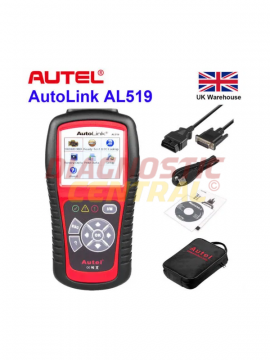
If you mainly want to read and clear fault codes, check live data, and confirm whether a warning light is likely to be minor or serious, an entry-level OBD2 scanner may be enough. For competent DIY drivers and enthusiasts, this can be a sensible place to start. You get fast visibility on powertrain faults without overspending on functions you may never use.
For garages and mobile technicians, basic OBD2 access is rarely enough. You are more likely to need ABS, airbag, transmission and body system coverage, plus service functions such as oil reset, EPB, SAS, injector coding or battery adaptation. Once you work on newer vehicles regularly, bi-directional testing and advanced coding become far more valuable. That is where higher-grade tools justify their cost.
The key point is simple. Buy for the jobs on your bench, not the jobs in the brochure.
Coverage matters more than headline features
A scanner can advertise dozens of functions, but if vehicle compatibility is weak, those features do not help. Good coverage means the tool communicates properly with the makes, models and systems you actually service. In the UK market, that often means a mix of European, German, French, Vauxhall, Ford, Japanese and increasingly hybrid-ready coverage, plus van capability for workshops dealing with light commercial work.
If you handle commercial vehicles, this matters even more. Lorry and trailer diagnostics often require different protocols, adapter leads, and software support. A passenger car scanner will not simply stretch to that work because the price was higher. You need the right platform and often the right cables too.
This is also where specialist suppliers stand apart from generic marketplace sellers. Proper product support starts before purchase, with realistic advice on compatibility instead of vague promises.
Handheld scanner, tablet system or laptop-based kit?
A handheld scanner suits buyers who want portability, speed and straightforward operation. It is often ideal for roadside checks, quick code reads, and users who do not need a large screen or deep reporting. These units can be excellent value if the software is reliable.
Tablet-style systems are common in busy workshops because they give you a better interface, faster navigation, and broader functions in one package. Live data graphing, guided tests, service menus and module access are usually easier to manage on a larger screen. For daily use across multiple vehicles, this format often makes the most sense.
Laptop-based kits still have their place, especially for specialist brand-level work, programming support, or users who want more control over software environments. The trade-off is complexity. They can be very capable, but they are not always the quickest option for fast-moving workshop diagnostics.
The functions worth paying for
Not every buyer needs coding or module programming, but some functions move from nice-to-have to essential very quickly. Live data is one of them. A fault code tells you where to start. Live data tells you what the vehicle is doing now. Without it, many intermittent or sensor-related faults remain educated guesswork.
Service functions are another area where value becomes obvious. Oil service reset, electronic parking brake retraction, steering angle sensor reset, battery registration and DPF regeneration are routine tasks in many garages. If your tool handles these reliably, it can pay for itself through labour efficiency alone.
Bi-directional control is a step further. This lets you command certain components for testing – fans, pumps, actuators, valves and more – so you can prove whether a part responds rather than simply assume it has failed. For serious fault-finding, that is a major advantage.
Updates, support and long-term value
Diagnostic equipment is not a one-off purchase in the same way as a socket set. Vehicle coverage changes. Software updates matter. Manufacturer systems evolve. If the tool cannot keep pace, it loses value quickly.
Before buying, check how updates are handled. Are they included for a period? Are they paid after that? Is the renewal cost reasonable for the level of use? A busy garage may accept ongoing update costs because the tool earns its keep every week. A home user may prefer a simpler unit with lower running costs.
Support matters just as much. When a tool will not connect, a menu is unclear, or an adapter is needed for a specific vehicle, decent technical guidance saves time. That is one reason many buyers prefer a specialist retailer such as Diagnostic Central rather than gambling on an anonymous listing.
Build quality and speed are not small details
Workshops are hard on equipment. Cables get bent, leads are pulled, connectors are handled with oily hands, and tools are used in cold mornings and wet conditions. Build quality matters because downtime costs money.
Speed matters too. Slow boot times, clumsy menus and lag during system scans frustrate technicians and extend every job. On paper, two tools may look similar. In real use, one can be far more efficient simply because it communicates faster and presents information clearly.
This is especially relevant for mobile technicians. If you are working on a driveway, at the roadside or in poor weather, you need gear that starts quickly, stays connected and does not waste your time with unreliable prompts.
Budget bands and what to expect
At the lower end, you are generally buying basic OBD2 functionality. This can be perfectly acceptable for reading generic engine codes, checking emissions-related faults and viewing limited live data. It is useful, but it is not workshop-grade diagnostics.
Move into the mid-range and you start to see multi-system coverage, service functions and better manufacturer support. For many independent garages and serious enthusiasts, this is the sweet spot. You get meaningful diagnostic depth without paying top-end money for advanced programming features you may rarely use.
At the higher end, you are paying for speed, wider coverage, advanced functions, stronger software, and often better support. That level makes sense if diagnostics is central to your business, not an occasional add-on.
Spending more does not automatically mean buying better. It means buying more capability. Whether that extra capability is worth it depends entirely on your workload.
Common buying mistakes
One of the biggest mistakes is buying on price alone. Cheap tools often overpromise and underdeliver, particularly on make-specific systems. Another is ignoring accessory needs. Some vehicles and commercial applications require brand-specific modules or adapter leads, and buyers only discover that after the tool arrives.
It is also common to overbuy. If you only want to monitor your own cars and clear occasional faults, a full workshop tablet may be excessive. On the other hand, underbuying is just as costly when a garage ends up replacing a basic scanner within months because it cannot handle service resets or body modules.
The safest route is to be honest about your use case. Daily diagnostics across mixed vehicles needs proper equipment. Occasional checks do not.
How to choose the right tool for your workshop or driveway
The best automotive diagnostics buyer guide always comes back to the same question: what problems are you trying to solve faster? If the answer is basic warning lights and simple checks, keep it straightforward. If the answer is efficient fault-finding, service work and broad vehicle coverage, buy a tool built for that level of work.
Think about the makes you see most often, whether you need service functions, whether vans or lorries form part of the workload, and how much value you place on updates and technical support. Then weigh that against the time lost when a tool cannot do the job.
A diagnostic tool should reduce uncertainty, not add to it. Buy the one that gives you accurate answers quickly, works with the vehicles in front of you, and stands up to real use. That is usually the point where cost stops being the main issue and performance starts paying you back every day.
When the next warning light comes in and the customer wants an answer now, the right tool does not just read a code. It gives you a clear direction, and that is what makes the purchase worthwhile.