
A new battery can be electrically sound and still cause problems if the vehicle has not been told it has been fitted. On many modern cars, the battery registration procedure guide is not an optional extra after replacement – it is part of completing the repair properly. Miss it, and the battery management system may continue charging as though the old, tired battery is still under the bonnet.
That can shorten the life of an expensive replacement, trigger stop-start faults and create customer comebacks that look like a charging-system issue. For workshops, battery registration is a quick diagnostic task when the correct scan tool and vehicle information are to hand.
What battery registration actually does
Battery registration, often called battery adaptation, battery coding or battery replacement reset, records that a fresh battery has been installed. The vehicle’s battery management system (BMS) uses this information alongside data from the battery monitoring sensor, usually fitted to the negative terminal.
The system monitors voltage, current, temperature and battery state of charge. Over time, it learns how the existing battery behaves as it ages. It may reduce charge acceptance, alter alternator output, limit stop-start operation or prioritise electrical loads differently. These adjustments protect the vehicle when the old battery has reduced capacity.
Fitting a new battery without registering it leaves those learned values in place. The alternator may charge too aggressively or not sufficiently, depending on the vehicle strategy. Neither outcome is ideal. Undercharging can leave the battery chronically low, while excessive charging can accelerate water loss and internal wear, particularly on AGM batteries.
Registration does not repair a faulty alternator, a poor earth connection or excessive parasitic drain. It simply gives the BMS an accurate starting point for managing the new battery. If the old battery failed prematurely, diagnose the cause before assuming the replacement will solve it.
Which vehicles need battery registration?
The requirement depends on the make, model, year and electrical architecture. It is most common on vehicles with stop-start systems, intelligent alternator control and a battery monitoring sensor. BMW, MINI, Audi, Volkswagen Group vehicles, Mercedes-Benz, Land Rover, Jaguar, Ford and many newer European models regularly feature some form of battery adaptation or reset.
The wording varies. One vehicle may offer “register battery replacement”, another may ask for a battery serial number, while another has an adaptation channel for battery capacity and technology. Some systems need only a replacement confirmation when fitting an identical battery. Others require the technician to enter capacity, battery type and manufacturer details.
Do not guess based on the badge alone. A basic model from the same range may not have intelligent battery management, while a higher-spec version with stop-start almost certainly does. Check the battery terminals for an intelligent sensor, inspect the diagnostic menu and confirm the manufacturer procedure before fitting parts.
Older vehicles without a BMS do not normally need registration. They still need a correctly specified battery, clean terminals and a charging-system check. Calling every battery change a coding job is just as poor practice as ignoring registration where it is required.
Battery type and capacity must match
Registration cannot compensate for the wrong battery. Before removal, record the original battery’s technology, capacity in amp-hours (Ah), cold cranking rating, physical dimensions, terminal layout and vent arrangement.
AGM, EFB and conventional flooded batteries have different charging requirements. An AGM battery generally supports higher cyclic loads and is commonly fitted to stop-start vehicles. An EFB battery is also designed for stop-start use but is not simply interchangeable with AGM unless the vehicle manufacturer permits it and the BMS can be configured accordingly.
Where the diagnostic function asks for battery capacity, enter the fitted battery’s actual rating, not the nearest option because it is convenient. A small variation may be accepted by some systems, but fitting and coding a substantially different capacity can affect charge control and stop-start performance. Follow the vehicle data where available.
Battery registration procedure guide: workshop method
The exact menu path differs by diagnostic platform, but the process follows a disciplined sequence. A professional scan tool with make-specific service functions is far more reliable than trying to clear faults with a generic code reader.
First, confirm the battery is the correct part and test it before installation if it has been sitting in stock. A new battery is not automatically fully charged. Check open-circuit voltage and, where suitable equipment is available, conductance or load-test results. For AGM and EFB units, use a charger with the correct battery mode rather than an uncontrolled charger setting.
Next, inspect the charging system and battery connections. Look for corrosion, damaged cables, loose clamps and faults around the battery monitoring sensor. If the vehicle has logged low-voltage faults, scan all relevant control modules before disconnecting the old battery. This gives you a clearer picture of whether the battery is the cause or merely the victim.
A memory saver can preserve radio presets, window calibration and module memories, but it is not always essential and must be used correctly. A poor connection or incorrect auxiliary supply can cause more issues than it prevents. Follow the vehicle manufacturer’s isolation procedure, especially on hybrid, electric and high-voltage vehicles.
With the ignition off and the vehicle allowed to enter sleep mode where required, remove the old battery and install the new unit. Secure the hold-down clamp, connect the positive terminal first and the negative terminal last unless the manufacturer specifies otherwise. Ensure any battery vent pipe is connected, particularly where the battery is mounted in the boot or passenger compartment.
Connect the diagnostic tool and identify the vehicle accurately. Enter the service or body-electrical menu, then locate the battery replacement, battery adaptation or BMS reset function. The tool may request confirmation of the battery type, capacity, manufacturer, part number or serial number. Enter only information that matches the battery fitted.
Once registration is complete, save the report or capture the successful confirmation on the job record. Clear only faults that are no longer active, then rescan. Start the vehicle and check charging voltage, live BMS data where available and stop-start status. Stop-start may remain unavailable until the battery reaches a suitable state of charge or until the vehicle completes its own relearn conditions. That is normal; do not promise immediate stop-start operation when the battery is only partially charged.
The tools that make the job faster
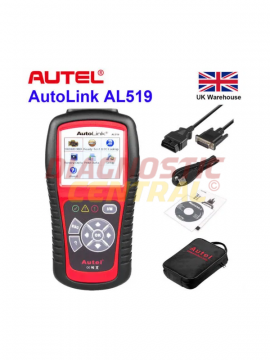
For occasional DIY work, a compatible diagnostic scanner with battery service functions may be enough, provided it supports the exact vehicle. For a busy independent garage, a more capable multi-make diagnostic platform is the sensible choice. It should offer guided service functions, live data, full-system scanning and regular coverage updates.
A battery tester matters as much as the scan tool. Registration records a replacement, but a tester helps establish whether the old battery was genuinely defective and whether the new one is ready for service. Add a regulated battery charger or power supply to the setup, particularly when diagnosing vehicles with numerous control modules or carrying out programming work.
For workshops dealing with premium European marques, make-specific diagnostic capability can save time where generic menus are vague or incomplete. The right tool should show the actual adaptation status and allow correct specification changes, rather than simply issuing a basic reset command.
Diagnostic Central focuses on equipment that earns its place in a workshop: tools that identify the fault, support the repair and provide information you can act on. Battery registration is a good example of why proper diagnostics now belong in routine maintenance, not just difficult fault-finding.
Common mistakes after fitting a new battery
The most frequent mistake is replacing a stop-start battery with a cheaper conventional unit. It may start the vehicle initially, but it is unlikely to tolerate the repeated discharge and recharge cycles expected by the system. The second is registering an AGM battery as an EFB or conventional battery, which gives the charging system the wrong operating assumptions.
Another common issue is treating a warning light as proof that registration has failed. Low voltage can set faults across steering, ABS, parking brake, transmission and infotainment modules. Read the faults, check their status and verify supply voltage before replacing further components. Many will clear after a proper charge cycle and a confirmed battery replacement procedure.
Finally, do not overlook current drain. If a battery repeatedly goes flat, measure quiescent current after the vehicle has entered sleep mode. An ageing battery may be part of the story, but an awake control module, aftermarket accessory or damaged wiring can destroy the new one just as quickly.
A battery replacement should leave the vehicle with the right hardware, the right BMS settings and evidence that the charging system is behaving correctly. That extra few minutes at the end of the job is what turns a quick swap into a reliable repair.