An ECU programming job can fail long before the software is at fault. A voltage drop, unsuitable adaptor lead or interrupted connection can leave a vehicle with a non-starting control unit, lost configuration or a recovery job that consumes the rest of the day. The best ECU programming accessories are therefore not optional extras: they are the equipment that protects the vehicle, the programmer and the workshop’s time.
For garages, mobile technicians and capable DIY users, the right setup depends on whether the task is simple coding through the diagnostic socket, module replacement, bench work or ECU cloning. Check the exact vehicle, ECU hardware, protocol and required function before buying.
Quick answer
- Use a regulated battery support unit whenever programming is carried out on the vehicle.
- Match diagnostic and programming leads to the vehicle and module pinout – a physically fitting lead is not necessarily correctly wired.
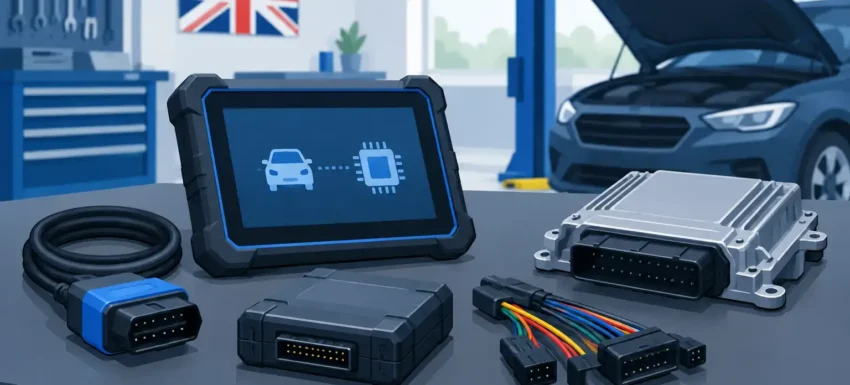
- Keep a reliable interface cable, quality power leads and clean connection points in your core kit.
- Choose bench harnesses, breakout leads and BDM or boot accessories only where the ECU and chosen tool support that method.
Start with stable voltage support
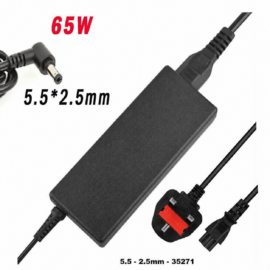
The single most valuable accessory for in-vehicle ECU programming is a proper regulated power supply or battery support unit. During coding, flashing or configuration, the ignition may remain on for an extended period while cooling fans, screens, body modules and other loads wake up. A conventional charger may not maintain a stable enough output, particularly on modern vehicles with sensitive battery monitoring systems.
A battery support unit is designed to hold system voltage at a controlled level while supplying sufficient current for the vehicle’s electrical demand. This reduces the risk of programming interruption caused by voltage falling below the tool manufacturer’s threshold. It also gives the technician a clearer starting point: if voltage is stable, an error is less likely to be caused by a weak battery.
Capacity matters. Light coding work on a small passenger car may need far less support than ECU flashing on a vehicle with multiple modules awake. For regular workshop use, select a unit with a realistic continuous current rating, not only a short peak figure. It should have suitably heavy leads, secure clamps and protection against reversed polarity. A battery tester remains useful alongside it, because no support unit can correct a battery with a failed cell or poor terminal connection.
Use the correct vehicle and diagnostic leads
The diagnostic socket is the usual route for programming where supported, but not every vehicle uses the same communications layout. A standard 16-pin OBD2 connector does not guarantee access to every module, nor does it mean every programming function is available through the socket.
Quality OBD extension leads can be useful where the diagnostic port is awkwardly positioned or where the programming interface needs to be placed safely away from the pedals and driver’s footwell. The lead must be fully pinned and correctly wired for the protocols in use. Cheap extensions with missing pins or poor shielding can create intermittent communication faults that are difficult to identify.
Brand-specific diagnostic adaptors and commercial vehicle cables are equally important. Older cars, lorries, vans, trailers and certain specialist systems may use dedicated connectors or non-standard pin assignments. Choose leads for the exact make, model, year and system. If a job requires module coding through a manufacturer-specific connection, a generic adaptor may be unsuitable even if the connector appears similar.
Keep connector pins clean and inspect locking tabs before use. A loose plug can disconnect when a door is moved or a technician enters the vehicle – precisely the kind of interruption programming procedures cannot tolerate.
Bench harnesses make module work safer and faster
Not every ECU should be programmed in the vehicle. Bench programming can be the better route for a removed engine ECU, body control module, transmission module or unit being prepared before fitting. It gives controlled access to power, earth and communications without the electrical noise and changing loads of the vehicle.
A proper bench harness saves time and reduces wiring errors. It should provide clearly labelled switched ignition, permanent battery positive, earth and communication connections, with correctly rated fuses in the power feeds. A regulated bench power supply is preferable to an improvised battery connection, as it lets you monitor voltage and current while protecting the module.
This is especially useful when diagnosing a suspected short circuit or damaged ECU. An unexpected current draw on the bench may indicate a fault before programming is attempted. It does not, however, replace correct wiring information. Pinouts can vary between ECU versions, even within the same vehicle range, so confirm the hardware number and connector details before applying power.
For workshops undertaking repeated module repairs or cloning work, a dedicated ECU bench cable set is usually more efficient than making temporary connections with loose probes. It also creates a safer, more repeatable process for different technicians.
Breakout leads and probes help prove the fault first
Programming should not be used as a substitute for diagnosis. Before rewriting software or cloning an ECU, establish whether the underlying fault is power supply, ground, CAN communication, sensor input or a genuinely corrupted module.
OBD breakout boxes, test leads and back-probing accessories allow technicians to check supply voltage and communication lines without damaging terminals. They can reveal a poor earth, a missing ignition feed or excessive voltage drop that would make a programming session unreliable. For electrical diagnosis, use fused leads where appropriate and avoid forcing oversized probe tips into module connectors.
A digital multimeter is essential, but it has limits. CAN activity and fast signal faults may require an oscilloscope or suitable diagnostic tool with live data. The accessory choice should follow the problem being tested. There is little value in buying advanced boot-mode hardware if the workshop does not first have the equipment to verify basic powers and grounds.
Boot, BDM and probe accessories are specialist tools
Some ECUs cannot be accessed through the diagnostic socket, either because the module is locked, damaged, blank or unsupported by OBD programming. In these cases, boot-mode, BDM, JTAG or direct-chip methods may be available, depending on the ECU design and programmer coverage.
These accessories can be valuable for cloning, data recovery and repair work, but they are not universal solutions. They require a compatible programmer, accurate connection instructions and careful handling of sensitive circuit boards. Incorrect probe placement, unstable power or an unsuitable boot connection can damage the ECU or make recovery more difficult.
For this reason, choose precision probe frames, positioning tools and ECU-specific adapters where available rather than relying on hand-held needles for repeat work. They improve contact consistency and reduce the risk of slipping across adjacent pads. The trade-off is cost: specialist accessories make most sense for workshops carrying out enough ECU work to justify a repeatable bench process.
Do not overlook storage, protection and software access
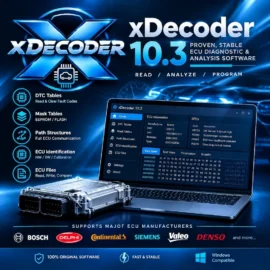
Programming equipment often fails in mundane ways. Interface leads are crushed in a tool drawer, USB connectors loosen, laptop batteries run flat or a driver update is installed halfway through a job. A practical ECU programming kit includes protected storage, labelled leads and a dedicated, charged laptop with the required software already tested.
Where a tool uses a USB connection, use a good-quality, appropriately short cable and avoid unsecured adapters. Keep the laptop on mains power during longer procedures. Disable sleep settings, close unnecessary applications and maintain a stable internet connection only where the manufacturer’s process requires one. Do not assume a mobile hotspot will be reliable enough for an online programming session in a workshop with weak signal.
It is also sensible to record the vehicle identification, existing fault codes, ECU identification and coding data before changes are made. Many problems are easier to reverse when the original configuration has been documented.
Choosing accessories for your type of work
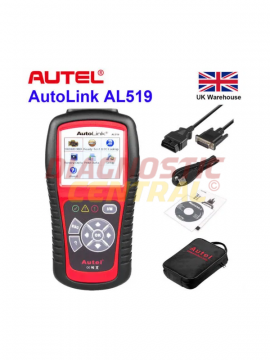
A mobile technician performing service resets and supported coding may need little more than a dependable scan tool, regulated voltage support, a fully pinned OBD extension and a battery tester. An independent garage replacing control units will benefit from manufacturer-specific adaptor cables, diagnostic breakout equipment and a stronger support unit.
An ECU repair or remapping specialist needs a broader bench setup: stable power, fused harnesses, ECU-specific leads, boot or BDM accessories where supported, precision probes and appropriate data backup procedures. Buying every accessory at once is rarely necessary. Build the kit around the vehicles you see, the functions you sell and the tools you already use.
Diagnostic Central supplies workshop-focused diagnostic accessories across passenger and commercial vehicle applications, helping technicians avoid the common mismatch between a capable programming tool and an incomplete connection setup.
Frequently asked questions
Can I programme an ECU using a normal battery charger?
It is not recommended for most programming work. Many chargers are designed to charge a battery rather than provide stable, regulated support under changing electrical load. Use a battery support unit with suitable current capacity where the tool or vehicle procedure calls for one.
Is an OBD extension lead safe for ECU flashing?
It can be, provided it is well made, fully pinned and securely connected. Avoid damaged, excessively long or low-quality leads. If the vehicle manufacturer or programming tool specifies a direct connection, follow that instruction.
Do I need bench programming accessories for ECU replacement?
Not always. Some replacement modules can be configured in the vehicle using supported diagnostic procedures. Bench accessories are useful when a module must be cloned, recovered, tested off the vehicle or accessed through a method unavailable via OBD.
Will one boot-mode adaptor work on every ECU?
No. Boot and direct-connection methods depend on the ECU family, board layout and supported programmer. Always verify the module hardware number and the required method before connecting power or probes.
Before committing to a programming job, confirm the vehicle registration or VIN, ECU part number and the exact function required – coding, flashing, cloning, configuration or fault diagnosis. Contact Diagnostic Central with those details and the equipment you already own, and you can make a more confident choice before the vehicle is connected.