
That red battery symbol is on while you are driving, yet the engine still runs. The battery light meaning is commonly misunderstood: it usually does not say the battery is flat. It warns that the vehicle’s charging system is not maintaining electrical supply as it should. Ignore it and a car, van or lorry can continue for a short distance, then stop once battery voltage falls too far.
Quick answer
- A battery warning light usually points to a charging-system fault, not simply a worn-out battery.
- Common causes include an alternator fault, damaged auxiliary belt, loose wiring, poor earth or a blown charging-system fuse.
- Reduce electrical demand and get the vehicle checked promptly. Do not assume it will make a long journey.
- A battery tester, voltage test and fault-code scan help narrow down the cause, but results must be assessed in the context of the exact vehicle.
What does the battery warning light actually mean?
With the ignition switched on and the engine not running, the battery lamp should illuminate as part of the dashboard bulb check. Once the engine starts, it should go out. If it stays on, comes on while driving, or flickers intermittently, the system is detecting an issue with charging voltage or alternator control.
The battery starts the engine and helps stabilise electrical supply. Once running, however, the alternator should power vehicle systems and replenish the charge used during starting. If the alternator stops charging, the vehicle begins to draw stored power from the battery alone. Modern vehicles can drain that reserve faster than many drivers expect, especially with lights, heated screens, blowers, infotainment and control modules operating.
On older vehicles, the warning lamp circuit may react directly to alternator output. On newer cars, the situation can be more involved. Smart charging systems may use a battery monitoring sensor, engine ECU, LIN or CAN communication and variable alternator control. The warning can therefore result from a mechanical, electrical or communication fault.
Is it safe to keep driving with the battery light on?
Only drive as far as necessary to reach a safe place or obtain professional help. How long the vehicle will run depends on battery condition, electrical load and the nature of the failure. There is no reliable mileage figure.
If the warning appears, switch off non-essential electrical loads where safe to do so. Heated seats, rear window heating, mobile phone chargers and high-demand accessories all add to the drain. Keep required lights on and never compromise visibility or safety systems to save power.
Stop immediately if the battery warning light is accompanied by overheating, a burning-rubber smell, squealing from the engine bay, heavy steering or multiple dashboard warnings. A failed auxiliary belt can stop the alternator and, on some engine designs, may also affect coolant circulation or power steering. Continuing to drive in that situation risks serious engine damage.
Do not disconnect a battery terminal with the engine running to “test” the alternator. This old-fashioned check can create voltage spikes and damage control units, sensors or the alternator itself.
Common causes of a battery light
Alternator or voltage-regulator failure
An alternator may fail internally through worn brushes, failed diodes, a damaged regulator or stator problems. Some units overcharge rather than undercharge, which can also trigger warnings and damage a battery over time. A voltage figure alone is useful, but it does not always prove the alternator is healthy under load.
Auxiliary belt, tensioner or pulley problems
A loose, glazed or snapped belt may prevent the alternator from turning at the correct speed. A failing tensioner or overrunning alternator pulley can cause belt slip, noise and inconsistent charging. This is a visual and mechanical inspection as much as an electrical one.
Battery terminals, cables and earth connections
Corroded terminals and weak earth straps create resistance. The alternator may be producing output, but insufficient voltage reaches the battery or vehicle electrical system. Check for loose connections, green or white corrosion, damaged cable insulation and heat marks around terminals.
Battery condition or battery sensor faults
A weak battery does not always cause the warning lamp directly, but it can complicate charging-system behaviour. Vehicles with intelligent battery sensors can log faults for sensor readings, battery temperature or communication. After a battery replacement, some makes also require battery registration or adaptation where supported by the vehicle. Skipping this may affect charging strategy and battery life.
Fuses, wiring and control faults
Many modern alternators are ECU-controlled. A failed fuse, broken exciter wire, connector fault or network communication issue can stop charging despite a serviceable alternator. This is where a diagnostic scan becomes valuable, particularly if the lamp is intermittent or additional electrical warnings are present.
How to diagnose the battery warning light properly
Start with the basics before condemning expensive parts. Inspect the auxiliary belt with the engine switched off. Check that battery terminals are secure and that the main earth connections are sound. Look for obvious wiring damage around the alternator and battery.
Next, assess battery state and cranking health with a proper battery tester. A battery that reads around 12.6V at rest may still perform poorly under load, while a recently charged battery can give misleading initial readings. Conductance testing provides a more useful indication of available starting performance and internal condition than voltage alone.
With the engine running, check charging voltage at the battery terminals using a quality multimeter. Conventional systems commonly charge at roughly 13.8V to 14.7V, but this is not a universal pass-or-fail range. Smart alternators can deliberately vary voltage according to temperature, battery state of charge, acceleration, regenerative charging strategy and electrical demand. Always refer to the manufacturer’s data for the exact vehicle where available.
A voltage-drop test is often the decisive next step. Measure across the positive charging cable and then the alternator-to-engine-to-battery earth path while the system is loaded. Excessive voltage drop can reveal a poor connection that a simple static continuity test misses.
Finally, scan all relevant systems for diagnostic trouble codes, not only the engine ECU. Body control, battery-management, gateway and instrument-cluster modules may hold useful faults. Live data can show requested alternator output, battery sensor readings and system voltage, where the scan tool and vehicle support those functions.
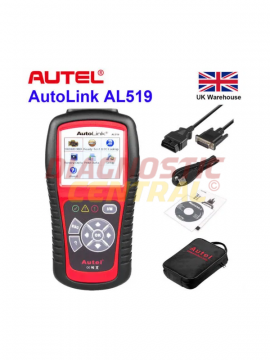
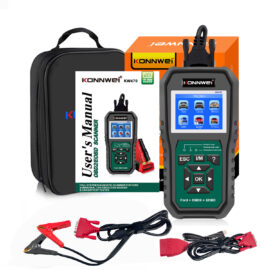
For workshops and capable DIY users, a dedicated battery and charging-system tester is the right starting point for fast battery assessment. A multimeter is essential for circuit and voltage-drop work, while a compatible diagnostic scanner adds real value on later vehicles with smart charging. No single tool replaces a methodical test sequence.
Why fault codes alone are not enough
A code for low system voltage does not automatically mean the alternator has failed. It may have been logged after extended cranking, a loose battery terminal, a failing battery or voltage loss elsewhere in the circuit. Equally, no stored code does not rule out an intermittent belt, wiring or alternator fault.
Clear the codes only after recording them and completing basic checks. If the warning returns, rescan and compare current, pending and historic faults with live voltage readings. That approach prevents parts-swapping and gives a clearer repair direction.
Battery light meaning on start-up, when flickering or after replacement
A lamp that stays on only briefly after start-up may indicate low alternator speed at idle, a slipping belt or a weak connection. If it flickers with bumps or when electrical loads are switched on, suspect terminals, wiring, an alternator connector or brush wear.
If the warning appeared after a battery change, first confirm battery polarity, terminal tightness and the correct battery specification. Then consider whether the vehicle needs battery registration. An incorrect battery type – for example, fitting a conventional flooded battery where AGM is specified – can create charging and durability issues even if the lamp is not immediately illuminated.
Frequently asked questions
Can a bad battery cause the battery warning light?
It can contribute, particularly on vehicles with battery monitoring, but the light more often indicates a charging-system issue. Test both the battery and alternator circuit before replacing either component.
How long can I drive after the battery light comes on?
It varies considerably. A healthy, fully charged battery may keep the engine running for a limited period, but electrical demand and vehicle design can shorten that time sharply. Treat the warning as urgent.
Can an OBD2 scanner tell me if my alternator is faulty?
Sometimes. A scanner may show system-voltage data and relevant fault codes, where supported. It cannot replace voltage-drop testing, belt inspection and direct charging checks.
Why is the battery light on but the car starts normally?
The battery may still hold enough charge to start the engine. The problem is that it may no longer be recharged while driving, so the vehicle can fail later rather than immediately.
A battery warning lamp is a prompt to test, not guess. If you need help choosing equipment for the vehicle in front of you, contact Diagnostic Central with the registration or VIN, the system concerned and the functions you need. The right test method can turn a vague dashboard warning into a repair decision before a routine journey becomes a recovery job.