A diagnostic tool is only as useful as the connection between the tool and the vehicle. Diagnostic cables are often treated as minor accessories, right up until a scanner will not communicate, a vehicle drops out mid-test, or a technician loses time tracing a fault that is actually caused by the lead. In a busy workshop, the right cable is not an optional extra. It is part of the diagnostic system.
Modern cars, vans, lorries and trailers use a growing number of control units, networks and manufacturer-specific protocols. A suitable scanner may have the software capability to read them, but it still needs the correct physical route into the vehicle. Choosing the proper cable protects communication quality, avoids connector damage and gives you a dependable starting point before any fault-finding begins.
Why diagnostic cables matter in real fault-finding
The standard 16-pin OBD2 socket is familiar on most modern passenger vehicles, but it does not make every job universal. Earlier vehicles, commercial applications and brand-specific systems can use different connector layouts. Some diagnostic functions also require direct access to a module, a service port or a dedicated trailer connection rather than the standard vehicle diagnostic socket.
A poor-quality, loose or incorrectly pinned lead can create symptoms that look like a vehicle fault. Intermittent communication, incomplete module scans, failed actuator tests and misleading fault-code readings can all be caused by an unreliable connection. Before condemning a control unit or chasing a wiring problem, it makes sense to verify the cable, adapter and socket condition.
For a professional technician, this is about repeatability. You need a connection that seats correctly, maintains stable contact and is built to tolerate daily workshop use. For a competent DIY user, it is about avoiding the frustration of buying a capable scan tool that cannot connect to the vehicle in front of you.
The main types of diagnostic cables
The correct choice depends on the vehicle, the diagnostic tool and the task being carried out. It is not simply a case of finding a plug that physically fits.
Standard OBD2 extension leads
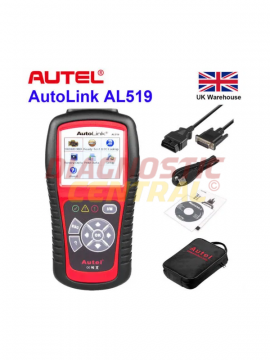
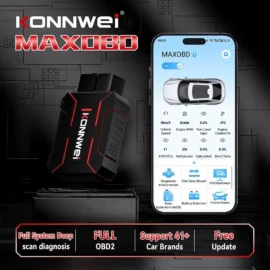
An OBD2 extension lead connects a scanner, dongle or handheld diagnostic tool to the vehicle’s 16-pin diagnostic port. It is particularly useful where the port is tucked behind trim, low in the footwell or positioned where a larger scan tool is difficult to support safely.
A good extension lead reduces strain on both the vehicle socket and the tool’s connector. This matters when carrying out live-data checks during a road test, although the tool must always be positioned safely and never allowed to interfere with pedals, steering or driver controls. Keep cable length sensible: a longer lead gives flexibility, but unnecessary length can become a snagging risk in the cabin.
Manufacturer-specific adapter cables
Many older vehicles use proprietary diagnostic sockets that pre-date the widespread adoption of OBD2. Brand-specific adapter cables allow compatible diagnostic equipment to communicate through these earlier connectors. They are common across older European, Japanese and commercial vehicles, where connector shape and pin allocation can differ significantly by make, model and production year.
This is where assumptions cause expensive mistakes. A cable described for a vehicle brand may only suit certain generations or systems. Check the exact vehicle application, year range, engine type where relevant, and the diagnostic platform it is designed to work with. The adapter must be compatible at both ends: with the vehicle and with your scanner or interface.
Lorry, bus and trailer adapter cables
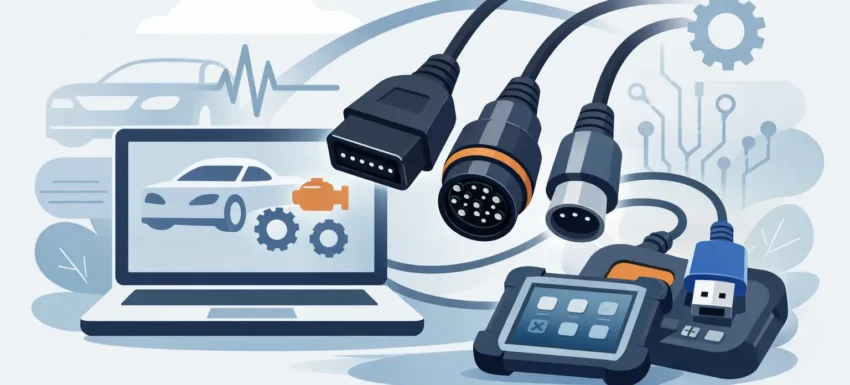
Commercial diagnostics often require dedicated leads for 24V systems and heavy-duty diagnostic standards. Lorries, buses, coaches and trailers may use round multi-pin connectors, including 6-pin, 9-pin and manufacturer-specific arrangements. These applications place higher demands on equipment because downtime costs money and faults can affect fleet compliance, safety systems and scheduled work.
Trailer diagnostic cables deserve the same attention. Lighting, ABS/EBS and communication faults can sit at the connection between tractor unit and trailer, or within the trailer system itself. A suitable adapter lets the technician access supported data and identify whether the issue is on the towing vehicle, trailer or interconnecting wiring. It does not replace a proper electrical test, but it gives the investigation direction.
Breakout leads and specialist test cables
Some jobs call for more than reading fault codes. Breakout leads, bench cables and module-specific test harnesses can support deeper electrical diagnosis, coding work or controlled testing away from the vehicle. These are specialist tools and should be used with a clear understanding of pinouts, supply requirements and module protection.
Never apply power to a circuit simply because a connector appears to match. Incorrect voltage or pin connections can damage a control unit. For advanced work, use a cable designed for the exact system and follow the relevant equipment procedure.
Compatibility is more than connector shape
A connector that plugs in is not automatically compatible. Pin configuration, communication protocol, voltage supply and software support all matter. This is particularly relevant with lower-cost generic adapters, where product descriptions can overstate coverage or fail to explain limitations.
Before buying, establish the vehicle make, model, registration year and diagnostic socket type. Then confirm what your existing diagnostic device supports. A cable may be physically correct but intended for a different scanner family, or it may allow basic code reading while not supporting manufacturer-level functions such as service resets, coding or bidirectional tests.
Also consider whether the work is on a car, van, lorry or trailer. Passenger-car OBD2 equipment is not automatically suitable for heavy-duty applications. Commercial vehicle systems can require dedicated hardware and software as well as the correct adapter lead.
If you are building a workshop kit, buy around the jobs you actually see. An independent garage handling mixed-age cars may benefit from a practical range of OBD2 extensions and common manufacturer adapters. A mobile commercial technician needs leads that cover the fleet connectors encountered on site, with durable storage that prevents loss and pin damage.
What separates a dependable cable from a nuisance
Cable quality is not about cosmetic finish. It is about accurate connections and reliable use. Look for firmly moulded plugs, positive connector fit, adequate strain relief and cable insulation that remains flexible rather than becoming brittle. Thin, poorly supported wiring is more likely to fail where the lead enters the connector, especially when it is repeatedly bent in confined footwells.
Pin quality matters just as much. Bent, recessed, corroded or loosely fitted pins can produce intermittent communication that wastes diagnostic time. The connector should engage without excessive force. If it requires pushing, twisting or holding at an angle to work, stop and inspect both the cable and the vehicle socket.
Shielding and construction can also matter on sensitive communication networks. You do not need to overcomplicate a basic code-reading job, but dependable cables are a sensible investment where the tool is used daily or where a failed connection could interrupt programming, calibration or service work.
Using and maintaining diagnostic cables correctly
Treat leads as precision workshop equipment, not as disposable wiring. Before connecting, inspect the plug for damaged locking tabs, contamination and bent pins. Check the vehicle socket too. A loose socket, moisture ingress or previous damage can be the real cause of a communication issue.
Connect with the ignition state specified by your scan tool. Avoid pulling the lead by the cable, trapping it in doors or allowing the diagnostic tool to hang from the socket. After use, coil the lead loosely and store it in a labelled case or organiser. Tight winding and mixed storage with loose metal tools will shorten its life.
When communication fails, work logically. Confirm vehicle battery voltage, ignition position and scanner settings first. Then try another known-good cable or compatible vehicle where possible. This isolates the problem quickly and stops a simple connection fault turning into an unnecessary repair estimate.
Build a cable kit that earns its place
There is no value in carrying every adapter ever made if most will never be used. A useful kit starts with a reliable OBD2 extension lead and expands according to the vehicles you service. Add manufacturer-specific cables for the older makes regularly booked into the workshop, then commercial and trailer leads if that work forms part of your operation.
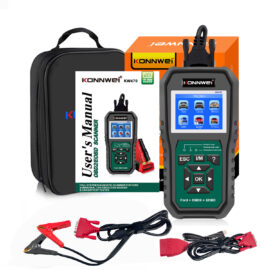
Diagnostic Central supplies diagnostic accessories for practical workshop use, including adapter cables for passenger and commercial vehicle applications. The priority should always be accurate compatibility, not a bargain cable that introduces doubt into every scan.
The next time a vehicle will not communicate, do not start by blaming the scanner or the ECU. Check the connection path first. The correct cable, fitted properly and matched to the job, gives every diagnostic decision a far more reliable foundation.