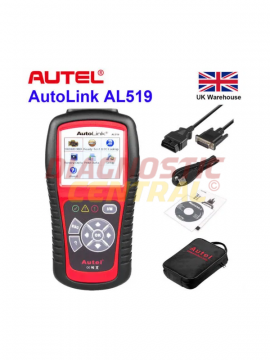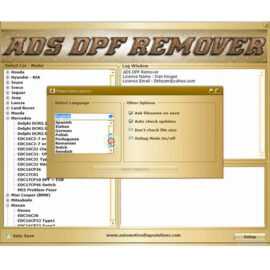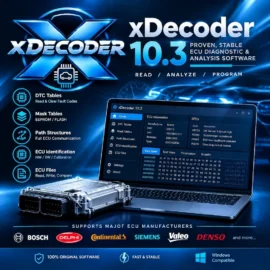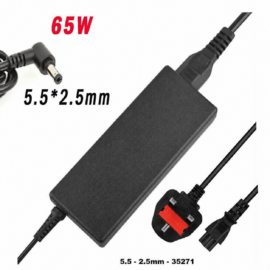
A vehicle booked in with an engine light, intermittent non-start or charging fault does not need guesswork. It needs a clear process and the right information at the right connector. Diagnostic kits for workshops give technicians the hardware to read fault memory, check live data, carry out service procedures and test the systems that cause real downtime.
The right kit pays for itself in saved diagnostic time, fewer unnecessary parts and greater confidence when explaining a repair to the customer. The wrong one becomes another case in the cupboard: limited coverage, missing cables or functions that stop at basic code reading. Choosing properly starts with the work your workshop actually carries out.
What a workshop diagnostic kit should do
A proper diagnostic kit is more than a handheld code reader. At its core, it should communicate reliably with the vehicle’s control units and turn their data into useful workshop information. That may mean reading and clearing diagnostic trouble codes, but it should also mean viewing live sensor values, checking freeze-frame data and confirming whether a repair has worked before the vehicle leaves.
For many independent garages, service functions matter just as much as fault-code access. Oil service resets, electronic parking brake functions, battery registration, steering angle sensor calibration, diesel particulate filter procedures and injector coding can turn a routine job into a profitable one, provided the tool supports the specific vehicle.
Higher-level diagnostics may require bi-directional control. This lets the technician command an actuator, such as a cooling fan, fuel pump, EGR valve or ABS pump, then assess the response. It is a practical way to separate a wiring, component or control issue from an assumption based on a stored code.
No single device covers every vehicle or every function perfectly. A multi-make scan tool is usually the starting point for a busy workshop, while specialist modules and brand-focused equipment can be the better answer where a garage regularly sees particular manufacturers.
Diagnostic kits for workshops need the right coverage
Coverage is not a marketing detail. It determines whether a kit is useful on the ramp. Before buying, consider the age range and vehicle types that pass through the door. A workshop seeing mostly post-2008 petrol and diesel cars may have very different needs from a commercial repairer dealing with lorries, vans, trailers and 24V systems.
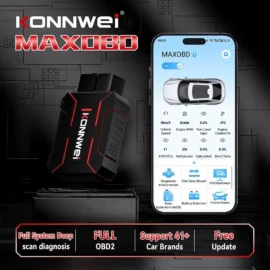
Standard OBD2 access is valuable, but it does not automatically provide full manufacturer-level diagnostics. Generic OBD2 can normally retrieve emissions-related engine codes and live data. Full-system diagnosis goes further, accessing modules such as ABS, airbag, body control, transmission, climate control and instrument systems. That distinction matters when the fault is a no-communication issue, an SRS warning or an electronic handbrake that will not release.
Check make, model, year and engine compatibility before committing to a tool. Also check whether essential service functions are included as standard, require additional software or are unavailable on certain models. A feature list is only useful when it applies to the vehicle on the ramp.
Commercial work deserves particular care. Lorry and trailer diagnostics may require dedicated protocols, 24V-compatible equipment and the correct round-pin, Deutsch or manufacturer-specific adapters. Trying to force passenger-car equipment into a heavy-duty application wastes time and risks damaging connectors. A kit designed around commercial vehicle work gives the technician better access and a more reliable starting point.
Build the kit around the job, not the headline specification
A capable scan tool is the centre of most kits, but a faster diagnostic process depends on supporting equipment. Battery condition and voltage stability affect every stage of electronic diagnosis. A weak battery can create low-voltage codes, communication errors and false symptoms that lead a technician in the wrong direction.
A battery tester should therefore be part of the working kit, particularly for start-stop vehicles and cars with battery management systems. It gives a clear assessment of state of health, cranking performance and charging condition rather than relying on a simple voltage reading. When a battery is replaced, the vehicle may also need a battery registration procedure so the charging system can manage the new unit correctly.
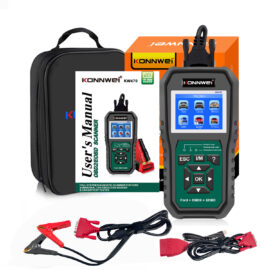
Adapter cables are equally important. The correct cable makes communication possible on older vehicles, commercial applications and certain manufacturer systems. Keep them labelled, inspected and stored with the main tool. A missing adapter can turn a booked job into a delay, even when the diagnostic unit itself is capable of the task.
For workshops that deal with module programming, remapping-related work or mileage correction, the kit must be chosen with even more precision. These jobs may involve bench connections, stable power supply requirements, specific protocols and a clear understanding of legal and customer-record obligations. They are not extensions of basic fault-code reading. Use equipment designed for the task and follow a controlled procedure.
A practical diagnostic routine
A diagnostic tool is most effective when it supports a disciplined workflow. Start by confirming the customer complaint and carrying out a visual check. Loose connectors, damaged wiring, low fluid levels, corroded battery terminals and obvious intake leaks can all explain faults that a scanner alone cannot repair.
Next, scan all relevant systems before clearing anything. Record codes, their status and freeze-frame information. Historic, pending and current codes do not carry the same weight. A current code supported by abnormal live data is more useful than a historic code with no repeatable symptom.
Use live data to test the theory. If an engine fault points to air metering, compare requested and actual readings where available. If a charging concern is reported, check battery test results, system voltage and relevant battery-management data. If an ABS light is on, compare wheel-speed sensor signals while safely testing the vehicle. The purpose is to prove the fault, not simply identify a code description.
Once a repair is completed, clear codes only when appropriate, run the relevant service procedure and recheck the system. A final scan and road test, where needed, provide evidence that the issue is resolved. This approach protects the workshop from comeback work and gives the customer a straightforward explanation of what was found and fixed.
Avoid the false economy of basic tools
A low-cost reader has a place for a competent DIY owner checking an engine warning light or monitoring basic data. It may also be useful as a quick first check in a workshop. But it becomes a false economy when it cannot access the module, perform the reset or communicate with the vehicle in front of you.
The key trade-off is between initial price and productive capability. A tool with broad vehicle coverage, dependable updates, useful live data and genuine service functions costs more than a basic reader, yet it can reduce the time spent swapping parts or referring work elsewhere. For a professional garage, that difference is usually felt quickly.
Do not buy purely on screen size or the number of advertised functions. Assess the practical details: update arrangements, menu clarity, connector quality, operating speed, language support and availability of replacement leads or accessories. Equipment used daily needs to withstand daily handling.
Choosing a kit for your workshop
Start with the vehicles you see most often, then identify the jobs that currently slow you down. If electronic parking brake servicing is regularly sent away, prioritise that capability. If your workshop handles fleet vans or agricultural and commercial work, focus on the appropriate protocols and adapter range. If battery and charging complaints are common, pair scan capability with a proper battery tester.
Diagnostic Central supplies equipment for passenger vehicles, commercial applications and the accessories that make a diagnostic setup usable in the real world. The strongest setup is not necessarily the most expensive one. It is the one that connects first time, provides meaningful data and helps the technician reach a defensible repair decision.
Buy for the work on your ramp this month, but leave room for the jobs you want to take on next. A well-chosen diagnostic kit turns warning lights and vague customer descriptions into a measured repair process – and that is where workshop time starts earning properly.