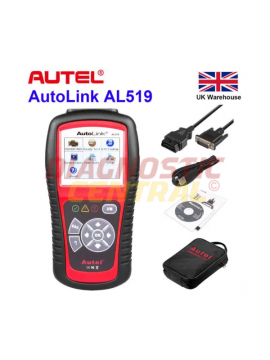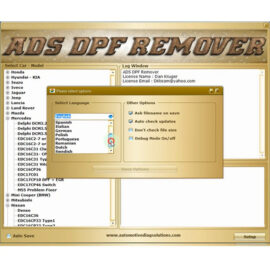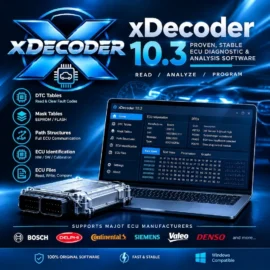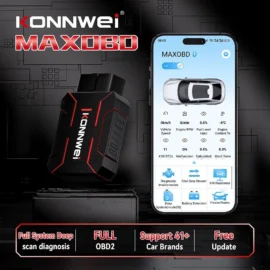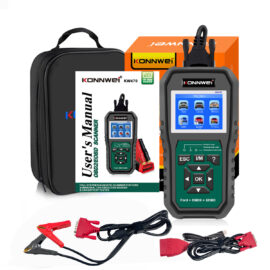

A warning light comes on, the customer wants an answer now, and this is where the code reader vs scanner question stops being theoretical. The tool you plug in next decides whether you get a quick fault code and move on, or whether you see the live data, system status and deeper information needed to diagnose the job properly.
Plenty of buyers use the two terms as if they mean the same thing. In practice, they do not. Both connect to a vehicle’s diagnostic system, but they serve different levels of work. If you are choosing equipment for a garage, mobile repair business or your own car, knowing the difference saves time, avoids mis-buys and puts the right tool in your hand from the start.
Code reader vs scanner: the basic difference
A code reader is the simpler of the two. Its main job is to read and often clear fault codes, usually through the vehicle’s OBD2 port. For basic engine-related problems, emissions faults and dashboard warning lights, that can be enough. It gives you a starting point.
A scanner goes further. It still reads and clears codes, but it also gives access to live data, stored and pending codes, freeze frame information, readiness monitors and, depending on the model, multiple vehicle systems beyond the engine control unit. A proper diagnostic scanner is built for analysis, not just code retrieval.
That difference matters because a fault code is not a diagnosis. It points you towards a problem area. A scanner helps you test what is actually happening.
What a code reader is good at
A code reader suits straightforward checks. If a driver wants to know why the engine management light has appeared, a basic reader can often identify the fault family within seconds. For DIY users, that is useful. For workshops, it can be useful as a quick triage tool.
On older vehicles or simple jobs, a code reader may do everything needed. If the issue is a loose fuel cap, a recurring emissions fault or a known minor sensor problem, reading the code and clearing it after repair may be enough. The appeal is obvious – lower cost, simpler menus and faster use for basic tasks.
That said, there is a limit. A code reader usually works within standard OBD2 functions. It may not speak properly to ABS, airbag, transmission, body control or manufacturer-specific modules. It often tells you what code is present, but not what the vehicle was doing when it logged it, how the sensor values are behaving now or whether related systems are involved.
For occasional use, that may be acceptable. For regular workshop diagnostics, it becomes restrictive very quickly.
What a scanner is designed to do
A scanner is the better fit when the job goes beyond reading one code and making an educated guess. Modern vehicles carry faults that overlap systems. A misfire may involve fuelling, ignition, timing, wiring, battery condition or sensor correlation. A scanner gives the data needed to separate symptoms from causes.
Live data is one of the biggest advantages. Instead of only seeing a stored fault, you can see engine load, fuel trims, oxygen sensor activity, coolant temperature, mass airflow values and other parameters in real time. That matters because many faults are intermittent. The code tells you where to start. The live data tells you whether the component is actually behaving as it should.
More advanced scanners also access service functions and manufacturer-specific systems. Depending on the tool, that can include oil reset functions, battery registration, DPF regeneration, injector coding, steering angle calibration and electronic parking brake service modes. For professional users, that moves the tool from basic reader to genuine workshop equipment.
The real problem with relying on fault codes alone
This is where many buyers get caught out. They assume a fault code identifies the failed part. Often, it does not.
Take an oxygen sensor code. A code reader may show a sensor-related fault and tempt someone to replace the sensor immediately. A scanner may reveal that the real issue is a vacuum leak, fuelling imbalance or catalytic converter inefficiency affecting the reading. The sensor reported the problem, but it was not the cause.
The same applies to low voltage faults, communication errors and emissions warnings. Without system data, freeze frame information and broader module access, replacing parts becomes guesswork. That costs money and wastes labour time.
For garages, this is not a small detail. It affects job turnaround, customer confidence and profit. For DIY owners, it can mean buying the wrong part twice.
Who should buy a code reader?
A code reader makes sense for drivers and enthusiasts who want a quick, affordable way to check engine fault codes at home. It also suits buyers who only need occasional use and are not planning to carry out deeper diagnostics.
If your goal is to confirm why a warning light has appeared, clear a code after a straightforward repair or avoid walking into a garage blind, a code reader can be a sensible starting point. It is also useful as a backup tool in the glovebox or van for fast first checks.
But you need to be honest about the job. If you work on several vehicles, deal with repeat faults or want to diagnose rather than merely identify codes, a basic reader will feel limited almost immediately.
Who should buy a scanner?
A scanner is the right choice for mechanics, garage owners, mobile technicians and serious DIY users who want proper visibility of what the vehicle is doing. It is also the better option for anyone working across multiple makes, newer vehicles or faults that involve more than the engine warning light.
For a busy workshop, speed matters. So does accuracy. A scanner helps reduce part-swapping and shortens the path from warning light to confirmed repair. That is why professionals tend to treat code readers as entry-level tools and scanners as the standard for real diagnostics.
If you are working on commercial vehicles, mixed fleets or customers’ cars every day, the value is even clearer. Broader compatibility, system coverage and functional testing are not luxuries. They are what keep work moving.
Code reader vs scanner on cost
Price is often what drives the comparison, and fairly so. A code reader is cheaper. If budget is your only concern, it will always look attractive.
The better question is what the tool saves you after purchase. A scanner costs more upfront, but it can cut diagnostic time, reduce misdiagnosis and support a wider range of services. In a workshop setting, that usually means it pays for itself far faster than a basic reader.
For home users, it depends on how involved you plan to get. If you maintain one car and only want to check the occasional engine light, spending more on advanced functions may not make sense. If you own multiple vehicles, tackle your own repairs or want to monitor live values before replacing parts, the scanner becomes far better value.
Compatibility matters as much as tool type
Not all code readers are equal, and not all scanners are genuinely capable. Some low-cost units claim broad compatibility but only support limited generic functions. Others work well on one make and poorly on another. That is why buyers should look beyond the label.
Check what vehicle systems the tool supports, whether it handles manufacturer-specific codes, and what service functions are included. If you work on diesel vehicles, commercial applications or newer cars with more electronic control units, those details matter.
This is also where buying from a diagnostics specialist matters. A proper supplier can point you towards the right tool for your work rather than selling you the cheapest box with the boldest claims. That is exactly why many buyers come to Diagnostic Central in the first place – they need equipment that works in real workshop conditions, not vague promises on a listing.
So, code reader or scanner?
If your needs are basic, your budget is tight and you only want to read and clear standard fault codes, a code reader will do the job. It is simple, quick and useful within its limits.
If you want to diagnose faults properly, access more systems, view live data and work efficiently across modern vehicles, a scanner is the better investment. For professionals, it is usually the correct choice from the outset. For capable DIY users, it often becomes the tool they wish they had bought first.
The right answer is not about buying the most expensive unit on the shelf. It is about matching the tool to the work. If all you need is a fault code, keep it simple. If you need answers you can trust, use equipment built to do more.
Choose the tool that gives you enough information to act with confidence, because guessing has never been a cost-effective repair strategy.