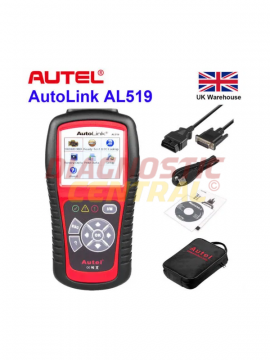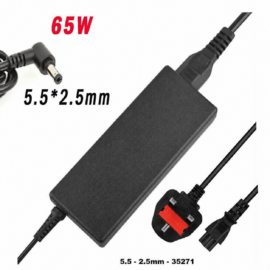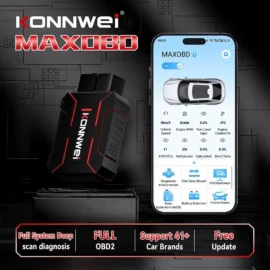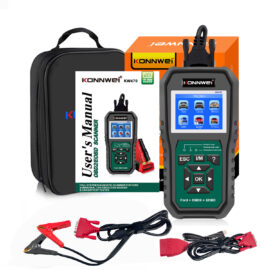
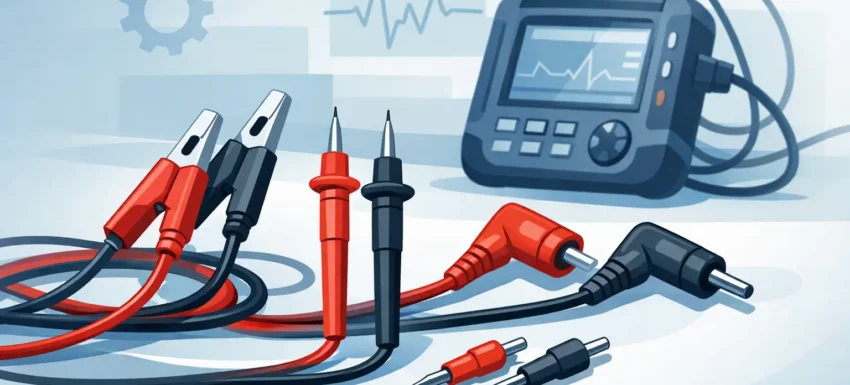
A diagnostic tool is only as reliable as the lead connecting it to the vehicle. In busy workshops and on roadside call-outs, replacement leads for diagnostic tools are not an afterthought. They are the part that keeps fault-finding moving, protects signal quality, and stops a simple cable failure from turning into wasted labour.
Anyone who uses scan tools, battery testers, breakout cables or brand-specific adapters will already know the pattern. Leads get crushed under seats, bent at the connector, trapped in tool drawers, dragged across workshop floors and stretched one too many times around a steering wheel. The result is often intermittent communication, failed module access, unstable readings or a tool that appears faulty when the real problem is the cable.
Why replacement leads for diagnostic tools matter
There is a tendency to treat leads as consumables and buy the cheapest option available. That usually costs more in the long run. A poor-quality lead can introduce connection faults that mimic ECU issues, battery problems or communication errors on the vehicle network. If you are diagnosing modern vehicles with increasingly sensitive electronics, that kind of inconsistency is not a small inconvenience. It can send you down the wrong path entirely.
For a professional garage, the cost of downtime is obvious. If a technician loses half an hour confirming whether the issue is in the car or in the test equipment, that time is gone. For mobile technicians, a failed lead on-site is worse. You may have the right scanner in hand and still be unable to complete the job. For capable DIY users, unreliable leads often create false doubt about the tool itself, when the real fix is simply replacing a worn or incorrect cable.
Good replacement leads restore confidence in the result. They also protect the value of the diagnostic equipment you already own. Replacing a lead is far cheaper than replacing a full unit because of connector damage caused by poor fit or repeated strain.
The most common signs a lead needs replacing
Lead failure is not always dramatic. Sometimes the cable is visibly damaged, but more often the warning signs are subtle. A scan tool may connect only when the lead is held at a certain angle. A battery tester may give inconsistent readings between tests. An adapter may fit loosely into the vehicle socket, or communication may drop out during a live data session.
If the fault appears across more than one vehicle, the lead should be one of the first things you check. The same applies if the tool powers up but refuses to establish communication with systems it previously accessed without issue. Bent pins, split insulation, loose mouldings and worn locking tabs are all common reasons to stop using a lead before it causes bigger problems.
There is also the less obvious issue of internal breakage. A cable can look acceptable externally while the conductors inside have started to fail. This is common near the ends of the lead where repeated flexing happens. If movement changes the result, replacement is usually the sensible option.
Choosing the right replacement lead
Buying the correct lead is not just about matching the plug shape. Compatibility has to be exact. Different diagnostic tools use different pinouts, communication protocols and connector standards, even where the outer fitting looks similar. Assuming one lead will do the job because it physically fits is how tools and vehicle systems get exposed to avoidable risk.
The first requirement is tool compatibility. Check the make and model of the diagnostic unit, along with any version details that affect connector type. Some leads are designed for specific scanners, while others suit particular modules, battery testers or commercial vehicle systems. Passenger car and lorry applications may also differ significantly, especially where adapter cables are involved.
The second requirement is vehicle application. Standard OBD2 leads cover many jobs, but not all. Some diagnostics require manufacturer-specific cables, older pin configurations, or trailer and commercial vehicle adapters. If you work across mixed fleets, that matters. The lead has to support the actual vehicles you see every week, not just the tool you own.
Build quality comes next, and this is where cheaper products usually show their weakness. Look for solid connector mouldings, proper strain relief, secure pin alignment and cable insulation that can tolerate workshop use. A lead does not need to be overbuilt for the sake of it, but it does need to survive repeated handling, storage and movement around the vehicle.
Not all leads do the same job
When people search for replacement leads for diagnostic tools, they often mean several different things. That can lead to confusion at the buying stage. Some are replacing a basic OBD connection lead. Others need battery clamps for a tester, brand-specific adapter leads, extension cables, lorry diagnostic leads, or interface cables for older systems.
That distinction matters because the performance requirement changes with the application. A battery tester lead must maintain stable contact and accurate current path characteristics. A module adapter needs correct communication integrity. An extension lead may be convenient in the workshop, but if it is poorly made it can introduce connection issues that are hard to trace.
It also means the cheapest route is not always the right route. A lower-cost lead for occasional home use may be perfectly acceptable in some cases. For a workshop tool used every day, durability and consistency carry more weight. It depends on frequency of use, the value of your time and the cost of a failed diagnosis.
Genuine fit versus generic alternatives
There is a place for well-made compatible parts, but this is an area where quality varies sharply. Some generic leads are entirely serviceable. Others are built to a price and little more. The risk is not just shorter lifespan. Poor tolerances, weak pins or incorrect internal wiring can affect communication and reliability from the start.
For workshops, the safer move is usually to buy from a specialist supplier that understands the diagnostic equipment rather than a general marketplace seller shifting unverified stock. The difference is practical. You are more likely to get a lead that is correctly described, properly matched and suitable for the intended use.
If you rely on the tool to earn money, precision matters more than saving a few pounds upfront. If you use the equipment occasionally, the same principle still applies, just with a different threshold. A lead that works first time is usually the better value part.
Fitting and handling replacement leads properly
Even a good lead will have a short life if it is handled badly. Most cable damage comes from strain, twisting and poor storage rather than any manufacturing fault. Pulling a lead out by the cable instead of the connector is a common example. So is wrapping it tightly around the tool after use.
The better approach is simple. Support the connector when unplugging, avoid sharp bends near the ends, and store leads loosely in a clean, dry case or drawer. Keep them away from heat sources, battery acid, oil contamination and heavy items that can crush the connector housing. In a workshop, basic cable discipline saves money.
Before blaming a vehicle for communication issues, it also makes sense to inspect the lead and socket. Dirt, corrosion and pin damage can all affect results. A quick visual check often prevents unnecessary testing.
When replacing the lead is better than replacing the tool
Many users put up with intermittent lead faults for too long because the tool still works some of the time. That is usually false economy. If the scanner drops out during coding, module identification or live data capture, the tool is no longer doing its job properly. Replacing the lead may return full performance at a fraction of the cost of replacing the unit.
This is especially relevant for quality diagnostic equipment designed for long-term use. The electronics may still be sound while the cable has simply reached the end of its service life. Replacing the worn lead keeps reliable hardware in service and avoids unnecessary spend.
For specialist suppliers such as Diagnostic Central, this is exactly where replacement accessories make sense. Customers do not always need a new machine. Sometimes they need the correct cable, delivered quickly, with the confidence that it fits the tool and the job.
What to prioritise before you buy
If you are choosing between several options, focus on four things: exact compatibility, connector quality, application type and supplier credibility. Everything else is secondary. Extra length can be useful, but not if it compromises connection stability. Lower cost can look attractive, but not if it creates repeat faults.
The best replacement leads for diagnostic tools are the ones that disappear into the job. They connect cleanly, hold firmly, communicate reliably and do not create doubts about the reading on screen. That is what professionals need, and it is what competent home users should expect as well.
When a diagnostic session depends on one cable doing its job properly, there is no value in guesswork. Buy the right lead, fit it properly, and treat it like part of the tool rather than an expendable extra. Your results will be quicker, cleaner and far easier to trust.
If a cable is the weakest point in your setup, fixing that weak point is often the fastest way to make the whole tool perform as it should.