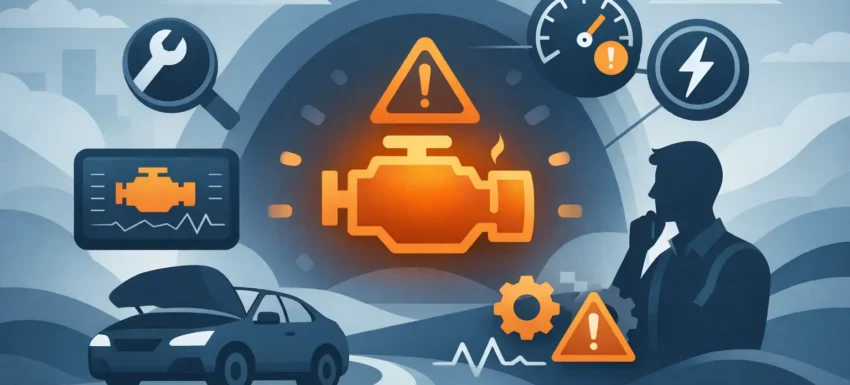
An EPC light appearing on a Volkswagen, Audi, SEAT or Skoda is not a warning to ignore until the next service. If you are asking, “what does EPC warning mean?”, the short answer is that the vehicle has detected a fault in its Electronic Power Control system. The longer answer matters because this system links several engine and driver-control functions, and the fault could range from a simple brake switch issue to a problem that puts the car into reduced-power mode.
What does EPC warning mean?
EPC stands for Electronic Power Control. It is used mainly across Volkswagen Group vehicles and monitors the electronic systems that control engine power delivery. Rather than relying solely on mechanical throttle cables, modern vehicles use sensors, control modules and electronic actuators to translate pedal input into engine response.
When the EPC warning lamp illuminates, the engine control unit has identified a fault affecting that control chain, or a related system that could affect safe torque management. The car may still drive normally, feel sluggish, idle poorly, hesitate under acceleration or limit its power entirely. It depends on the fault stored and how serious the control unit considers it.
The EPC light is commonly yellow or amber. It is not the same as the red oil-pressure, coolant-temperature or brake warnings that require an immediate stop. However, an amber EPC lamp still needs a prompt diagnostic check, particularly if it is joined by an engine management light, flashing glow-plug light, traction-control warning or noticeable loss of performance.
Which systems can trigger an EPC warning?
The EPC system is not one component. It is a control strategy spanning several sensors and actuators. That is why replacing a throttle body or pedal sensor based on the warning lamp alone is poor workshop practice.
Common areas behind an EPC warning include:
- The accelerator pedal position sensor or its wiring
- The throttle body, throttle-position sensor or throttle actuator motor
- Brake-light switch faults, which can affect cruise control and engine torque logic
- Engine-speed, crankshaft or camshaft sensor signal faults
- Misfires, air leaks and fuelling faults that disrupt calculated engine torque
- Cruise-control, traction-control or ABS-related signals on some models
- Low system voltage, poor earth connections or damaged wiring
A failed brake-light switch is a familiar example on some older VW Group cars. The engine control unit needs to know whether the driver is braking or accelerating. If it receives implausible information, it can trigger the EPC lamp and may disable cruise control. Yet the same lamp could also appear because a throttle body is sticking, a wiring loom is damaged or the engine is misfiring under load.
This is why a code reader is the starting point, not the repair decision.
Can you drive with the EPC light on?
If the vehicle drives normally, there is no red warning lamp and the EPC light is the only symptom, it may be possible to drive carefully to a safe location or arrange diagnosis. Avoid hard acceleration, towing and unnecessary journeys until the fault is identified.
Do not treat that as permission to carry on using the car for weeks. A fault that begins as intermittent hesitation can become a no-start condition, an unsafe loss of power when joining fast traffic or a catalyst-damaging misfire. If the car enters limp mode, struggles to accelerate, cuts out, has a flashing engine management light or shows red warnings, stop when safe and seek professional assistance.
The practical question is not simply whether the vehicle moves. It is whether it responds predictably to the throttle and whether the engine is running cleanly. A car that cannot maintain speed safely on a dual carriageway is not fit to be driven there, even if the EPC lamp itself is amber.
Symptoms that help narrow down the fault
The driver’s description often saves time when the vehicle reaches the workshop. An EPC warning that appears only after a cold start points technicians in a different direction from one that occurs during motorway acceleration or after fitting a new battery.
Watch for whether the fault happens at idle, under load, when pressing the brake pedal or only after the engine is warm. Note whether cruise control has stopped working, whether the brake lights operate correctly and whether the warning clears after restarting. These details do not replace fault-code reading, but they help separate a constant electrical fault from an intermittent signal or performance problem.
A rough idle, misfire and EPC lamp can indicate an ignition coil, spark plug, injector, air leak or fuelling issue. Reduced throttle response with no obvious misfire may point more directly towards the pedal sensor, throttle body or throttle adaptation. An EPC light combined with ABS or ESC warnings may require attention to wheel-speed signals, steering-angle data, brake-switch input or communication between modules.
Why a basic code read is not always enough
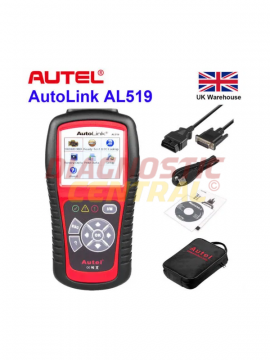
Most petrol vehicles sold in the UK from 2001 and diesels from 2004 support standard OBD2 engine fault codes. A basic reader can be useful for retrieving generic P-codes and checking whether a fault returns after clearing. For EPC diagnosis, however, generic information can be too broad.
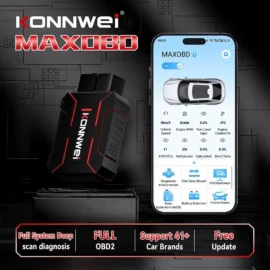
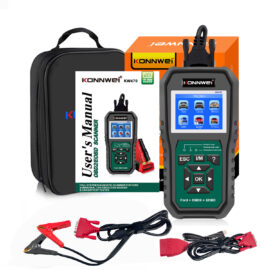
A VW Group-capable diagnostic tool can access manufacturer-specific codes, read live data, carry out actuator tests and communicate with relevant control modules. That matters where an engine ECU code refers to implausible brake input, throttle adaptation, torque intervention or a communication issue outside the basic engine data list.
Live data is particularly valuable. A technician can compare accelerator pedal sensor tracks, observe requested and actual throttle angles, confirm brake-switch states and look at battery voltage while the fault occurs. Two sensors may produce readings, but if their signals do not agree within the permitted range, the control unit can set an EPC fault.
Clearing codes without recording them first is rarely productive. The light may go out temporarily, but the original freeze-frame data can show engine speed, coolant temperature, voltage and load at the instant the fault was stored. Those conditions are often the clue that separates a loose connector from a component failing only under heat or vibration.
A sensible diagnostic process
Start with the basics. Check the battery condition and charging voltage, especially if the warning appeared after a flat battery, jump-start or electrical work. Modern control modules are sensitive to low voltage, and a weak battery can create misleading fault records across multiple systems.
Next, inspect obvious areas before ordering parts. Look for damaged intake hoses, loose electrical connectors, oil contamination around wiring, water ingress and brake lights that do not behave correctly. On vehicles with known throttle-body issues, check for carbon build-up and confirm whether adaptation is required after cleaning or replacement.
Then carry out a full system scan with a suitable diagnostic tool. Record all stored, pending and intermittent codes before clearing anything. Read engine live data and, where relevant, ABS, steering and body-control information. A fault in another module may be the reason the engine ECU has limited torque.
After a repair, clear the codes, perform any required basic settings or throttle adaptation, and road-test the vehicle under the conditions that originally triggered the warning. A repair is not proven because the lamp disappears at idle. If the issue occurred on acceleration, the system needs to be checked under controlled load.
Common EPC repairs and the trade-off
Some EPC faults have straightforward repairs: replacing a failed brake-light switch, repairing a broken wire, fitting worn spark plugs or addressing a weak battery. Others need more disciplined testing. Throttle bodies, pedal modules and engine sensors are frequently blamed because they are connected to the warning, but they should be confirmed with code data, wiring checks and live readings first.
Pattern parts can be tempting when the vehicle is older, but electronic components vary greatly in quality and calibration. A cheap sensor that produces an unstable signal can create the same fault you were trying to cure. For garages, fitting the correct part once is usually cheaper than repeating diagnosis after a return visit. For capable DIY owners, the value of a reliable diagnostic scanner is not just code clearing – it is knowing whether the repair has actually corrected the data the ECU sees.
An EPC warning is the vehicle telling you that its engine-power control logic no longer trusts one of the signals it receives. Read the evidence, test the system properly and repair the confirmed cause. That approach protects both the vehicle and the time spent working on it.